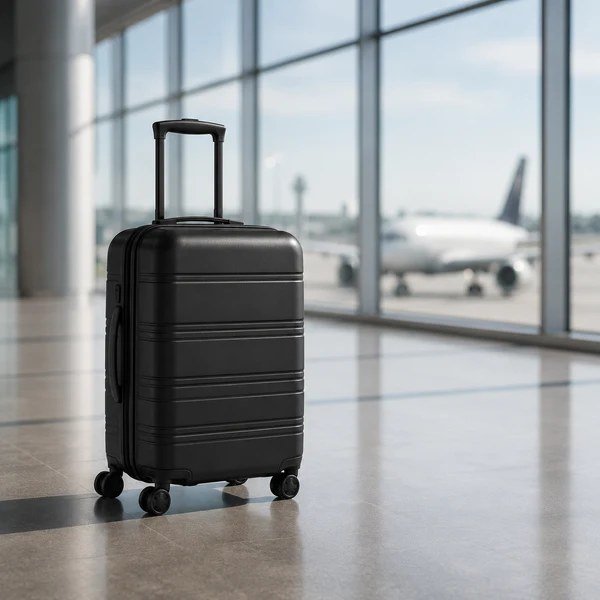
The luggage industry wants you to believe a good carry-on costs $300+. It doesn’t. Some of the most beloved carry-ons among frequent travelers cost under $100 — they just don’t have the marketing budget of the luxury brands. The best carry-on luggage options under $100 nail the fundamentals: the right size, smooth wheels, a sturdy handle, and zippers that survive baggage-handler abuse. Everything else is decoration.
Here’s what to look for, what to avoid, and the specific bags that deliver.
What Are the Best Carry-On Luggage Options Under $100? What Actually Matters
Size: 21–22 inches, and measure it yourself. US domestic carry-on limits are typically 22 x 14 x 9 inches including wheels and handles — and manufacturers lie about this constantly. A “22-inch” bag that’s 24 inches with wheels will get gate-checked. Measure the packed bag yourself before trusting the label. International limits are often stricter (and weight-limited — looking at you, European budget airlines).
Wheels: two vs. four. Four spinner wheels glide effortlessly through airports but are fragile — they snap off on cobblestones and stairs, and they add 2 inches of height. Two recessed wheels are tougher and more compact but require tilting. For mostly-airport travel: spinners. For mixed adventure travel: two-wheelers. Under $100, prioritize wheel quality over wheel count — smooth, quiet rolling beats wobbly spinners.
Weight: under 7 lbs empty. Every pound of suitcase is a pound you can’t pack — and on weight-restricted international flights, a 9-lb bag eats your allowance. The lightest bags under $100 use polycarbonate or quality polyester; avoid the heavy faux-leather fashion bags.
Handles and zippers: the failure points. Extend the telescoping handle in the store and yank it side to side — wobble means future breakage. Zippers should be chunky (YKK or equivalent) and glide without catching. These two components kill more cheap bags than anything else; test them ruthlessly.
The Top Picks Under $100
The workhorse: Amazon Basics / house-brand hardsides ($60–80). Unsexy, effective. Polycarbonate shells that survive years of abuse, spinner wheels, expandable. They lack prestige and the wheels aren’t premium, but dollar-for-dollar they’re the value kings. Thousands of frequent travelers swear by them.
The softside classic: Travelpro-style crew bags ($80–100 on sale). Travelpro’s Maxlite line regularly dips under $100 on sale — it’s the brand flight crews actually use, which tells you everything. Softsides flex into overhead bins better than hardsides and the external pockets are genuinely useful. Watch for sales; never pay full price.
The budget spinner: Samsonite Winfield / American Tourister ($70–95). Big-brand engineering at budget prices. The Winfield 2 line is a perennial favorite — durable polycarbonate, decent spinners, often under $80 on sale. American Tourister (Samsonite’s budget line) offers similar value.
The backpack convert: travel backpacks 35–45L ($50–90). If you can pack light, a travel backpack beats any wheeled bag — no wheels to break, fits everywhere, hands free. Brands like Osprey’s budget lines and various Amazon favorites deliver. Pair with pack for a week-long trip in one carry-on skills and you’ll never wait at a carousel again.
Check Consumer Reports’ luggage buying guides for independent durability testing before buying — their luggage tests (drop, wheel, zipper, handle) are the most honest data in the industry.
What to Avoid (Regardless of Price)
- “22-inch” bags that measure 24+ with wheels. Gate-check roulette on every flight.
- Four tiny spinner wheels on a $40 bag. They’ll snap within a year. At this price, two good wheels beat four bad ones.
- No side handles. You’ll lift this bag into bins and trunks constantly — top handle alone isn’t enough.
- Non-expandable hardsides with no external pocket. You need somewhere for the boarding pass, passport, and phone — digging through the main compartment at security is miserable.
- White or very light colors. They look filthy after two trips. Dark colors and patterns hide the scars of travel.
Make Any Bag Last Longer
Don’t overstuff. The number one bag-killer is forcing zippers closed over too much stuff — it stresses seams, zippers, and handles simultaneously. If you’re sitting on it to close it, remove something.
Use packing cubes. They protect the bag’s interior, compress clothes, and make packing/unpacking civilized. A $20 cube set extends any bag’s life and your sanity.
Maintain the wheels and handle. Wipe wheels after dirty trips (grit grinds bearings), don’t drag bags up curbs by the handle (lift instead), and store with the handle retracted. Five minutes of care per trip adds years.
The right bag also changes how you travel: with a true carry-on that fits every bin, you skip baggage claim entirely — which transforms make a long layover more comfortable from an ordeal into a bonus adventure, and makes trips like pack for a two-week trip to Europe in summer infinitely smoother when you’re hauling your life through train stations.
Hardside vs. Softside: The Honest Verdict
Hardside pros: better protection for fragile items, water-resistant, looks new longer, harder to slash. Cons: no external pockets (maddening at security), no flex when overpacked, shows scratches (though that’s cosmetic).
Softside pros: external pockets for documents and liquids, expands when you need it, squeezes into tight bins, usually lighter. Cons: less protection, absorbs rain (look for water-resistant coatings), can look worn faster.
The verdict under $100: softside wins for most travelers — the external pockets and expandability matter daily, while the protection difference rarely matters. Go hardside if you check the bag often (baggage handlers) or carry fragile items. Either way, the specific bag matters more than the category: a great $80 softside beats a mediocre $80 hardside and vice versa.
The Practical Takeaway
Measure twice, buy once: get a 21–22″ (wheels included) bag under 7 lbs with a sturdy handle and quality zippers, in a dark color, from one of the value picks above — on sale if you can wait. Spend the savings on packing cubes and an actual trip. The $300 suitcase isn’t 3x better than the $80 one; it’s marginally nicer and significantly better marketed. Your bag’s job is to disappear into the background of a great trip — and any of these do exactly that.