Washington DC might be America’s best city for free entertainment — and it’s not close. Where else can you spend three days in world-class museums, iconic monuments, beautiful parks, and historic neighborhoods without spending a dime on admission? The Smithsonian alone (19 museums, all free) could fill a week. Here’s how to do DC right on a $0 entertainment budget, including the free experiences most visitors miss.
What Are the Best Free Things to Do in Washington DC? The Smithsonian Core
National Museum of American History. The Star-Spangled Banner, Dorothy’s ruby slippers, Julia Child’s kitchen, the First Ladies’ gowns. Quintessentially American and endlessly fascinating — give it 2–3 hours minimum.
National Air and Space Museum. The Wright Flyer, the Apollo 11 command module, moon rocks you can touch. Recently renovated and better than ever. The Udvar-Hazy annex near Dulles (also free, though parking costs) has the Space Shuttle Discovery — worth the trip for space nerds.
National Museum of Natural History. The Hope Diamond, the dinosaur hall, the Ocean Hall, the butterfly pavilion (timed entry, free). The rotunda’s elephant is the classic photo op. Kids love this one most.
National Gallery of Art. Two buildings (West = classical, East = modern) plus a sculpture garden with a fountain. World-class art, zero dollars, and mercifully less crowded than the other big museums.
National Museum of African American History and Culture. The newest and most powerful — start at the bottom (slavery era) and work up through history to the present. Timed passes (free) often required; book ahead. Allow half a day; you’ll need it emotionally too.
The rest: American Art Museum + Portrait Gallery (share a beautiful building in Chinatown), Hirshhorn (modern art in a wild donut building), Freer/Sackler (Asian art, serene), National Zoo (pandas may vary — check before promising kids), Postal Museum (sleeper hit — surprisingly great). Browse the Smithsonian’s official museum listings for the full list and plan your days by neighborhood cluster.
The Monuments and Memorials (Best at Night)
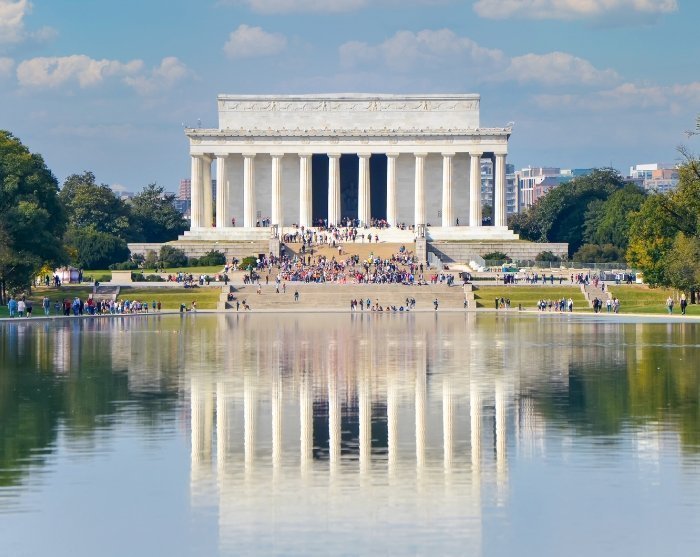
The National Mall walk. Lincoln Memorial → Vietnam Veterans Memorial → WWII Memorial → Washington Monument → (across the water) Jefferson and MLK memorials. It’s 2+ miles of American history, and it’s better at night — lit monuments, fewer crowds, the Reflecting Pool mirroring everything. This is the single best free experience in DC.
Arlington National Cemetery. Across the Potomac (free entry). The Changing of the Guard at the Tomb of the Unknown Soldier (every 30–60 min depending on season) is profoundly moving. JFK’s eternal flame, the Challenger memorial. Go early morning for the quietest experience.
Less-visited memorials worth finding: the FDR Memorial (a journey through four terms, waterfall rooms, wonderfully designed), the Korean War Veterans Memorial (19 steel soldiers in a field — haunting, especially at dawn), and the Einstein Memorial (a giant bronze Einstein you can climb on — kids love it, photo gold).
Neighborhoods and Outdoor Freebies
Georgetown. Historic streets, the waterfront park, the Exorcist stairs (yes, those stairs), window shopping on M Street. The walk along the C&O Canal towpath is lovely.
Eastern Market (weekends). The market hall plus the outdoor flea market — free to browse, and the people-watching is elite. The surrounding Capitol Hill streets are DC’s prettiest.
Rock Creek Park. 1,700 acres of forest inside the city — hiking, the Nature Center, horseback trails. Most visitors never go; locals live here on weekends.
Theodore Roosevelt Island. A wilderness memorial in the Potomac — boardwalk trails through woods and marsh, with skyline views. Ten minutes from the Mall, feels like another world.
National Arboretum. The Capitol columns standing in a meadow (surreal and gorgeous), bonsai museum, azalea collections. Free, uncrowded, magical in spring.
Free Tours and Viewpoints
Library of Congress. The most beautiful building in DC — the Great Hall, the Gutenberg Bible, the Main Reading Room viewed from above. Free timed entry; book ahead. Thomas Jefferson’s library exhibit is a bibliophile’s dream.
US Capitol and White House tours. Both free but require advance planning — Capitol through your representative’s office, White House through the same (request 3+ months ahead; it’s competitive). Even without interior tours, the exteriors and visitor centers are worth it.
Kennedy Center rooftop. Free, open to the public, with one of the best panoramic views of the city — and often free performances on the Millennium Stage (6 PM daily, no tickets needed).
National Cathedral gardens. The cathedral charges for tours, but the 59-acre grounds — gardens, gargoyles (including Darth Vader), city views — are free.
Plan your days with Washington.org’s official visitor guides and navigate between clusters using the Metro — the best apps for navigating public transit in foreign cities recommendations apply perfectly to DC’s system. The same trap-avoidance instincts from avoid tourist traps when visiting New York City work here too (skip the overpriced Mall food trucks; walk to Eastern Market or Chinatown for real food). And DC makes a perfect plan a cheap weekend getaway with friends — driveable from much of the East Coast, free once you’re there.
DC With Kids: The Free Family Hits
DC is a top-tier free family destination — kids learn by accident here. The must-dos: Natural History Museum (dinosaurs + the Hope Diamond + the insect zoo — kids’ #1 pick), Air and Space Museum (touch a moon rock, sit in cockpits), the National Zoo (pandas when they’re in residence, plus the Amazonia exhibit), the Bureau of Engraving and Printing (watch money being made — free tickets, go early), and the Einstein Memorial (climbable bronze genius). The monuments at night are magical for kids — the lit-up Lincoln Memorial feels like a movie set. Pack snacks and water; museum cafeterias are pricey, and a fed kid is a happy museum-goer. The Mall’s carousel (small fee, big joy) is the perfect bribe between museums.
The Practical Takeaway
Three perfect free days: Day 1 — Smithsonian cluster (American History + Natural History) and the Mall at sunset. Day 2 — Capitol/Library of Congress morning, African American History museum afternoon, monuments at night. Day 3 — pick a neighborhood (Georgetown or Eastern Market), the Arboretum or Rock Creek Park, Kennedy Center rooftop at dusk. Total admission cost: $0. DC proves the best things in travel are free — you just need to know where they are.