Americans now spend more on their pets than on many things they buy for themselves — and the trajectory keeps steepening. The US pet industry has roughly tripled since 2010, blasting past $150 billion annually, with 2026 marking another record year. But the headline number hides a fascinating story: what we’re buying has changed dramatically, who’s spending has shifted generations, and the pandemic’s aftershocks are still reshaping the market. Comparing 2026’s pet spending to past years reveals not just inflation, but a cultural transformation in how America relates to its animals. Here’s the data-driven comparison.
The long arc: from $50 billion to $150 billion+
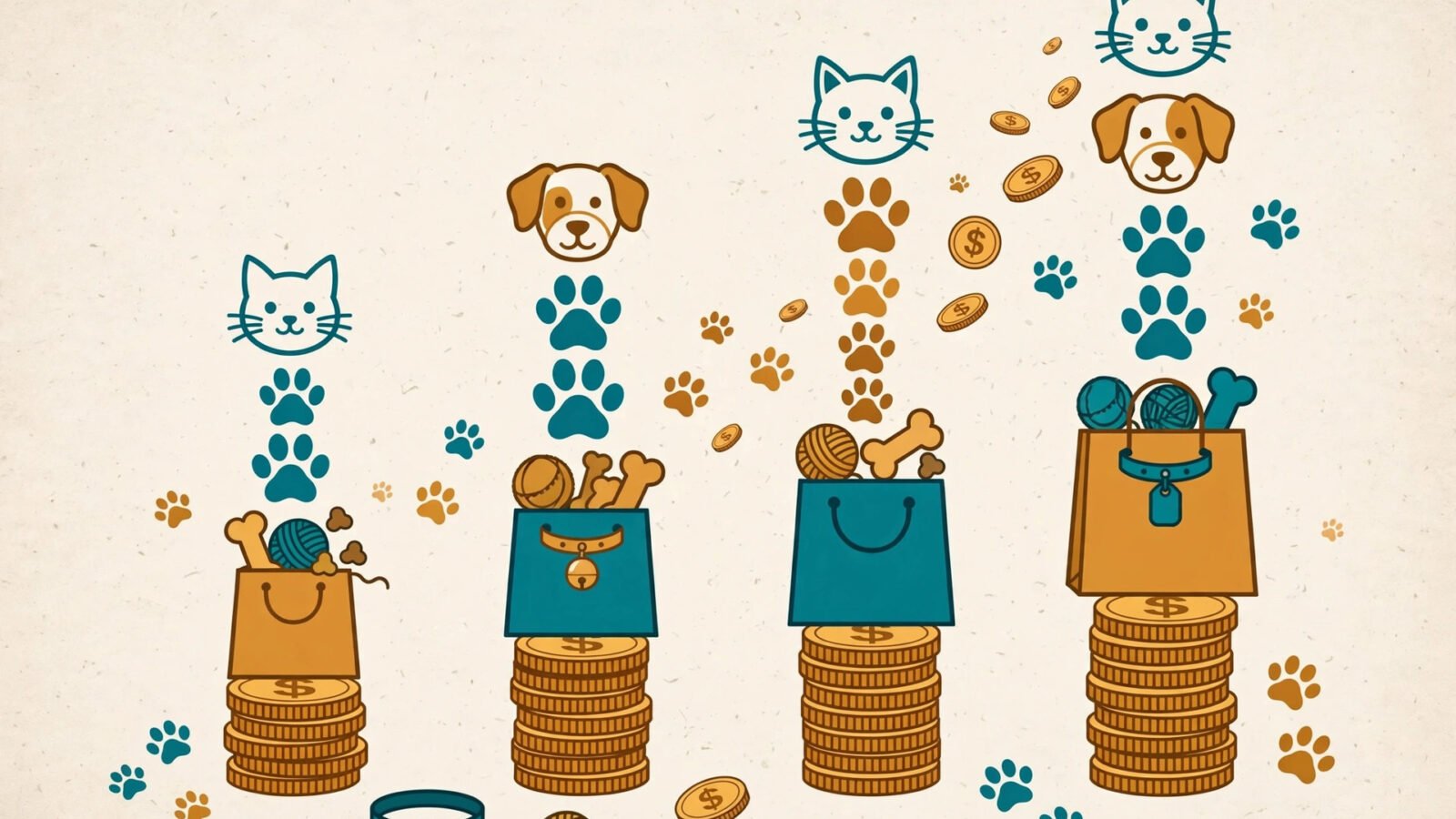
In 2010, Americans spent roughly $48 billion on pets — already a big number. By 2020, it hit $103 billion. By 2024, ~$150 billion. The 2026 figure pushes further still. That’s a tripling in 15 years, far outpacing inflation — real, inflation-adjusted spending roughly doubled. No other consumer category grew quite like this. For perspective: Americans now spend more on pets than on toys, jewelry, or movie tickets and streaming combined.
The growth drivers compounded: more households with pets (two-thirds of US households now), more spending per pet, and premiumization — the shift from $20 kibble bags to $80 fresh-food subscriptions, from annual vet visits to monthly wellness plans. The APPA (American Pet Products Association) annual reports document the climb; the Bureau of Labor Statistics Consumer Expenditure Survey independently confirms pets’ rising share of household budgets.
Category by category: how the mix shifted
Food: the premiumization engine
Food remains the largest category (~$65+ billion), but its composition transformed. In 2010, premium meant a $50 bag of “natural” kibble. In 2026, the growth is in fresh/refrigerated, freeze-dried raw, and subscription gently-cooked meals — segments barely existing a decade ago. Private-label and value kibble still sell enormously (inflation pushed many owners to trade down selectively), creating a barbell market: premium fresh at the top, value kibble at the bottom, mid-tier squeezed. Treats premiumized too — single-ingredient, functional (dental, calming, joint) treats command multiples of basic biscuits.
Veterinary care: the cost crisis and the response
Vet spending (~$35+ billion and climbing fastest) tells a two-sided story. Costs per visit soared — vet inflation outpaced general inflation as practices consolidated under corporate ownership, staffing costs rose, and advanced treatments (oncology, orthopedics, imaging) became standard. The response: pet insurance penetration climbing, wellness plans spreading, and preventive care reframed as cost control. Compared to 2015, the average dog owner’s annual vet spending roughly doubled — but so did the sophistication of care available. The AVMA’s pet-owner resources help navigate the cost landscape.
Services and “other”: the lifestyle explosion
The “supplies, live animals, and OTC” plus services categories reveal the cultural shift most vividly. Grooming, boarding, daycare, training, and pet-sitting have professionalized into a $15+ billion services economy — doggy daycare alone went from niche to neighborhood staple. The pandemic permanently elevated boarding/daycare demand (return-to-office created the need; guilt created the spending). Emerging 2026 service categories — pet telehealth, in-home vet visits, subscription enrichment boxes — didn’t exist at scale five years ago.
Who’s spending: the generational handoff
The spender profile flipped. In 2010, Boomers dominated pet spending. In 2026, millennials are the largest pet-owning cohort and the highest spenders per pet — they adopt the premium products, buy the insurance, and pay for the services. Gen Z, now forming households, shows the strongest humanization tendencies: most likely to call pets “children,” buy birthday presents, and prioritize pet-friendly housing and travel. This generational engine suggests the growth has demographic momentum — younger cohorts won’t suddenly spend less as they age.
Household structure matters too: single-person households (a growing share) spend more per pet — the animal is the family. And the work-from-home legacy means owners observe their pets all day, noticing needs (and buying solutions) at unprecedented rates. The pet isn’t just in the house anymore; it’s in the Zoom background, the Instagram feed, the travel plans — traveling with a dog on a plane comfortably and finding pet-friendly hotels are now mainstream travel-planning steps, not afterthoughts.
2026 vs. the pandemic peak: what normalized, what stuck
The 2020–2021 pet boom — record adoptions, panic buying of supplies — raised fears of a bust when normal life resumed. It didn’t happen. What normalized: supply-chain-driven price spikes eased, and the frenzied adoption pace cooled to sustainable levels. What stuck: the elevated spending per pet (owners didn’t trade back down), the services habit (daycare/boarding demand stayed high), pet insurance growth (the pandemic’s vet-bill shocks converted skeptics), and e-commerce share (autoship subscriptions for food and preventives are now default behavior).
One cautionary comparison: shelter intake data shows the adoption boom’s complex legacy — some pandemic pets were surrendered as lifestyles changed, a reminder that spending enthusiasm must be matched with lifetime commitment. The industry’s growth is healthiest when it reflects committed ownership, not impulse acquisition.
What the trends mean for pet owners’ wallets
The honest takeaway: pet costs are structurally higher than a decade ago, and budgeting accordingly is essential — the ASPCA-style “first-year cost” estimates now run $1,500–$3,000+ for dogs. Budget before you adopt: price food, insurance, routine vet care, and a emergency buffer. Insure early: the single highest-leverage financial move as vet inflation continues. Prevent expensively, treat cheaply: weight management, dental care, and vaccines are the cheapest dollars in pet ownership. Comparison-shop services: the services boom created price dispersion — independent providers often undercut chains. And watch subscription creep: autoship everything is convenient until you’re paying for five subscriptions the pet doesn’t need.
What’s next: where pet spending goes from here
If the past 15 years tripled the industry, what do the next 10 hold? The smart money points to continued premiumization with a value counter-trend: human-grade fresh food keeps growing while private-label value lines capture inflation-pinched shoppers. Pet insurance penetration — still far below European levels — has the most headroom; industry projections see it doubling again this decade. Services keep professionalizing: expect vet deserts (rural and low-income urban areas) to attract mobile and telehealth solutions, and the humanization trend to push into new categories (pet mental-health services are already emerging).
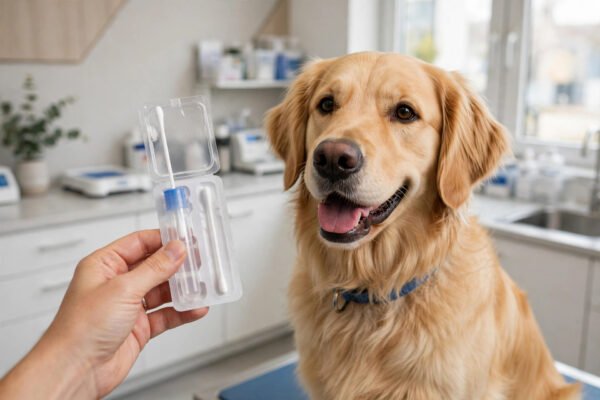
The wildcards: regulatory shifts (CBD and novel ingredients), economic downturns (pet spending proved recession-resilient in 2008 — owners cut their own spending first), and technology (AI-assisted diagnostics, at-home testing kits). The through-line is demographic destiny — as millennials and Gen Z age with their humanization mindset intact, the cultural foundation for growth stays solid. The industry’s challenge isn’t demand; it’s deserving it — with transparent pricing, evidence-based products, and access that doesn’t leave lower-income owners behind.
Conclusion
The pandemic accelerated trends already in motion rather than creating a bubble — the elevated spending stuck because the emotional bonds deepened. For owners, the lesson is practical: budget honestly, insure early, prioritize prevention, and remember that the best things for your pet — time, attention, training, and a healthy weight — remain gloriously free.
Frequently Asked Questions
How much do Americans spend on pets in 2026?
Over $150 billion annually — roughly triple 2010 levels. Food is the largest category, followed by veterinary care (the fastest-growing), then supplies and services.
Why has pet spending grown so much?
More pet-owning households, higher spending per pet (premiumization), rising vet costs, and the humanization trend — younger generations treat pets as family members and spend on wellness, insurance, and services accordingly.
Is pet spending still growing after the pandemic?
Yes. The pandemic accelerated existing trends; elevated per-pet spending, services demand, and insurance adoption all persisted after normalization. Demographics (millennial/Gen Z ownership) support continued growth.
What’s the most expensive part of pet ownership?
Veterinary care — especially emergencies and chronic conditions — is the largest unpredictable cost and the fastest-rising category. Food is the largest predictable ongoing expense.
How can I control pet costs without compromising care?
Buy pet insurance while young, prioritize preventive care (vaccines, dental, weight management), compare service providers, use autoship discounts judiciously, and budget annually — surprises, not routine costs, break most pet budgets.