Every year, the auto industry tries to convince you that the next big thing is already here. But 2026 feels different. Between an all-electric product blitz, the return of beloved nameplates, and a genuine price war in the affordable EV segment, the most anticipated new models of 2026 are arriving into a market that is more competitive — and more interesting — than it has been in a decade.
Here is a clear-eyed look at the launches generating the most buzz, what makes each one significant, and how to separate genuine excitement from marketing noise.
The Affordable EV Wave Finally Arrives
For years, the industry promised a $25,000 electric car the way weather forecasters promise rain — always coming, never arriving. In 2026, several automakers are finally delivering credible entries near or below the $30,000 mark, and this is the single most important story of the model year. Lower battery costs, simplified platforms, and in some cases smaller battery packs aimed at city commuters have made the math work.
What to watch: real-world range figures, not just the headline number. An affordable EV rated at 250 miles that delivers 200 in winter highway driving is still a fine commuter, but buyers comparing it against a hybrid need honest expectations. Also watch charging speed — some budget EVs cut costs with slower DC fast-charging, which matters enormously on road trips. Our primer on planning a long road trip with an electric car explains how to map charging stops so a slower-charging EV still gets you there comfortably.
The competitive effect is already visible: established EVs are getting price cuts and richer standard equipment to defend their turf. For shoppers, that means 2026 is arguably the best buyer’s market for electric vehicles since the segment began.
Hybrids Grow Up — and Multiply
If EVs are the headline, hybrids are the quiet blockbuster. Nearly every major brand is expanding its hybrid lineup for 2026, and the technology has matured well beyond the economy-car penalty box. Full-size trucks, three-row SUVs, and even performance models now offer hybrid powertrains that deliver V8-adjacent towing or genuinely quick acceleration with four-cylinder fuel bills.
The most anticipated hybrid launches share a formula: familiar nameplate, new electrified powertrain, no compromise on capability. Plug-in hybrids are having a moment too, with electric-only ranges finally crossing the 40-to-50-mile threshold that covers the average American commute. For households that can charge at home, a PHEV increasingly looks like the pragmatic sweet spot — electric daily driving, gas backup for the holidays.
When total cost matters more than the badge, compare fuel and charging costs against your actual driving. The official EPA fuel-economy ratings at fueleconomy.gov remain the most trustworthy way to compare real efficiency across gas, hybrid, and electric models side by side.
The Nameplate Comebacks
Nothing generates buzz like a resurrection. The 2026 model year brings back at least two storied nameplates that enthusiasts have been petitioning for, and the early reception suggests automakers have learned from past revival missteps. The successful formula, judging by recent history: honor the original’s spirit — proportions, attitude, a few heritage design cues — while delivering thoroughly modern mechanicals underneath.
The risk with comebacks is nostalgia pricing. Limited launch editions with dealer markups can sour the story fast. Patient buyers are usually rewarded: the second model year of a revival typically brings broader availability, the inevitable special editions, and pricing closer to sanity. If you are tempted by a comeback model, track dealer inventory for 90 days before paying over sticker.
Trucks and SUVs: The Capability Arms Race
America’s best-selling segment never sleeps. For 2026, the truck wars have shifted from pure horsepower bragging rights to a more interesting contest: who can deliver the most capability with the least fuel? Hybrid full-size trucks now tow what diesels did five years ago, and the new generation of midsize pickups offers legitimately comfortable daily driving without the old truck compromises.
Three-row SUVs remain the default family hauler, and the most anticipated entries focus on the details that actually matter to parents: easier third-row access, genuinely usable cargo space behind that third row, rear-seat entertainment that does not require a subscription, and driver-assistance systems tuned for highway road-trip duty. If a long family drive is in your future, the cheapest ways to travel between US cities comparison can help you decide whether driving still beats flying for your route.
Off-road trims go mainstream
Once a niche for weekend warriors, factory off-road packages are now a mainstream profit engine. Expect more 2026 models offering trail-rated trims with real hardware — locking differentials, skid plates, all-terrain tires — rather than just appearance packages. The tell: approach and departure angles in the spec sheet. If the manufacturer will not publish them, the “off-road” trim is mostly costume.
What the Buzz Gets Wrong
Anticipation is a marketing tool, and the industry wields it expertly. A few reality checks before you put down a deposit:
- First-year reliability: All-new models and powertrains historically show more problems in year one. If you keep cars for a decade, waiting for the second model year is the single smartest move you can make.
- Launch pricing vs. real pricing: Early reviews test fully loaded trims. The affordable headline price usually buys you a trim with hubcaps and a smaller screen. Price the trim you would actually buy.
- Range and MPG claims: Independent testing routinely lands 10–15 percent below official figures for EVs at highway speeds. Budget accordingly.
- Dealer markups: High-demand launches attract “market adjustments.” Car and Driver’s 2026 new-car coverage tracks real transaction prices, which is far more useful than the MSRP on the manufacturer’s site.
How to Spot a Winner Early
You do not need to wait for the five-year reliability surveys to make a smart bet. Look for these signals in the first months of a launch: owner forums reporting consistent (not just isolated) issues, the pace of software updates for tech-heavy models, and whether the manufacturer is already offering incentives — early discounting on a supposedly hot model tells you demand is softer than the press releases suggest.
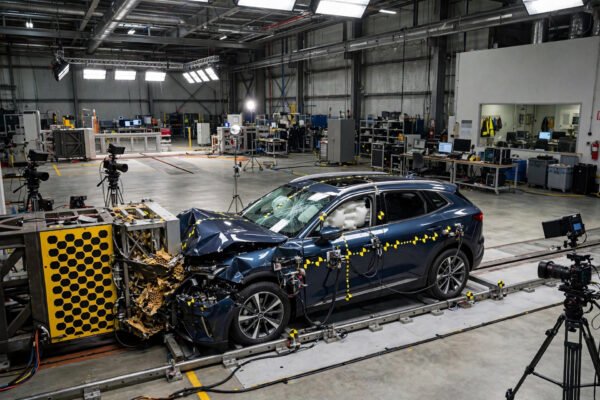
Also pay attention to safety scores under the new, tougher 2026 protocols. A brand-new model engineered for the updated crash tests is a meaningfully safer bet than a carryover design coasting on an old rating.
The Bottom Line
The most anticipated new models of 2026 reflect an industry in transition: electric options finally reaching mainstream prices, hybrids covering every segment, beloved nameplates returning with modern bones, and trucks that do more with less fuel. The buzz is real this year — but the smartest shoppers will let the hype settle, check the independent test data, and buy the second model year. The cars will still be there, and they will almost certainly be better.
Frequently Asked Questions
What is the most anticipated car of 2026?
There is no single answer, but the affordable EVs landing near $30,000 are generating the most industry-wide excitement because they open electric driving to mainstream budgets for the first time. Enthusiast buzz centers on the returning nameplates, while family buyers are watching the new three-row SUVs.
Should I buy a first-year 2026 model or wait?
Waiting for the second model year is usually wiser. First-year models historically have more reliability issues, higher dealer markups, and less real-world data on range, fuel economy, and resale value. If you must buy now, choose a model on a proven platform rather than an all-new architecture.
Are 2026 EVs actually affordable now?
Several 2026 EVs are arriving near or below $30,000 before incentives, which is a genuine breakthrough. But check the fine print: base trims may have shorter range and slower charging, and insurance costs for EVs can run higher. Calculate total ownership cost, not just the sticker price.
How do I avoid overpaying for a hyped new model?
Track real transaction prices through independent sources, get quotes from multiple dealers, and refuse market-adjustment markups — they evaporate within months on most models. Ordering factory-direct where available, or simply waiting 90 days after launch, typically saves thousands.