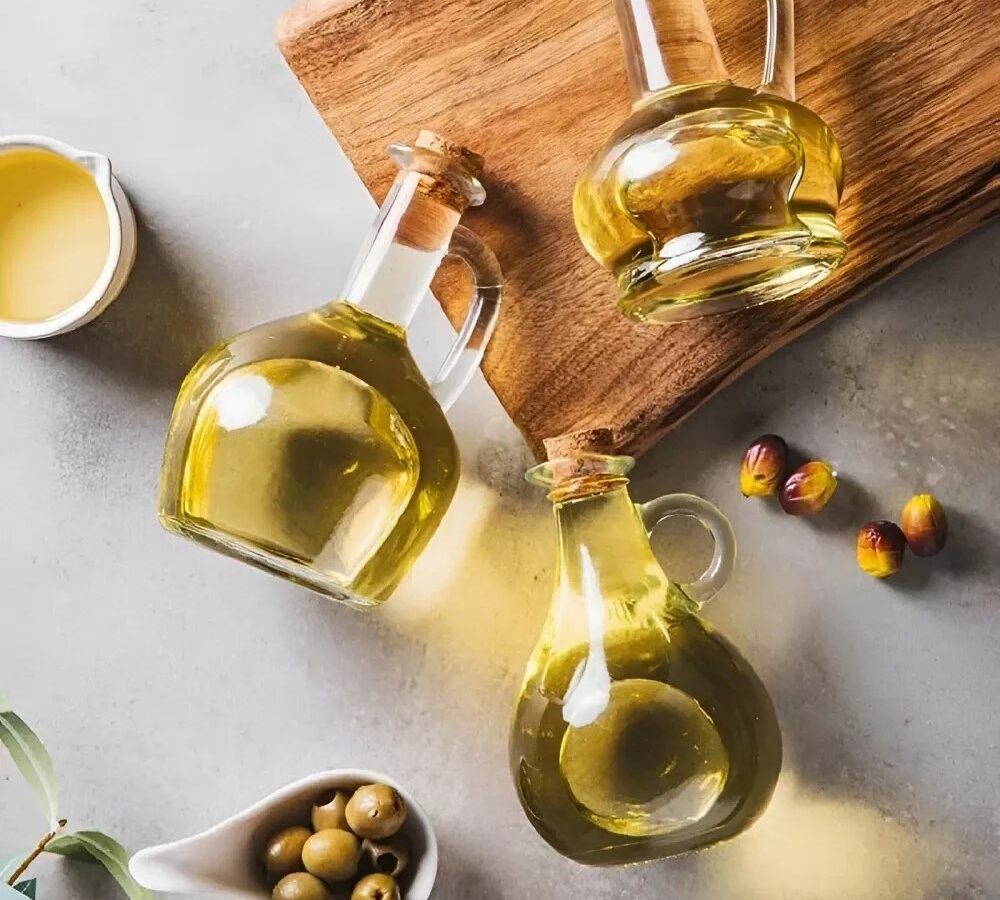
Walk down the cooking oil aisle and you’re faced with dozens of options, each claiming health halos: avocado, coconut, olive, canola, grapeseed, and a dozen more. The marketing is loud and often misleading. I spent years confused too, until I learned that the ‘healthiest’ oil depends entirely on how you’re using it.
Here are the healthiest cooking oils for everyday use, organized by what you’re actually doing with them, plus the ones to skip and why smoke points matter more than hype.
Healthiest Cooking Oils for Everyday Use: The Winners
Extra virgin olive oil is the most researched cooking oil on earth, with strong evidence linking it to heart health as part of Mediterranean diets. Its smoke point (375-410°F) handles most everyday cooking: sautéing, roasting, sauces. The ‘don’t cook with olive oil’ myth is outdated; it’s stable for normal cooking temperatures. Save the expensive bottles for finishing and use affordable EVOO for cooking.
Avocado oil is the high-heat champion: refined avocado oil smokes around 500°F+, making it ideal for searing and stir-frying where olive oil would break down. It’s rich in monounsaturated fats like olive oil, though less researched. For neutral everyday cooking (baking, general sautéing), regular canola or a light olive oil works well and costs less.
- Extra virgin olive oil: everyday hero. Most researched, heart-healthy fats, handles sautéing and roasting. Use affordable EVOO for cooking.
- Avocado oil: high-heat star. 500F+ smoke point for searing and stir-frying. Monounsaturated fats like olive oil.
- Canola oil: budget neutral. Low saturated fat, neutral taste, affordable. Fine for baking and general cooking.
- Light olive oil: versatile. More refined, higher smoke point than EVOO, neutral enough for baking.
- Sesame oil (toasted): flavor. For finishing Asian dishes, not high-heat cooking. A little goes a long way.
- Match oil to heat. Below smoke point = healthy cooking. Above it = breakdown and off flavors. This matters more than oil choice.
Oils to Use Sparingly or Skip
Coconut oil’s health halo exceeds its evidence: it’s 90% saturated fat, and while it has some interesting properties, major heart health organizations recommend limiting it. Use for flavor where you love it (some curries, baking), not as your everyday oil. Palm oil raises similar concerns plus environmental issues; check labels if you want to avoid it.
Highly processed ‘vegetable oil’ blends are fine functionally but offer nothing nutritionally; there’s no reason to choose them over canola or light olive oil. And any oil used past its smoke point repeatedly (like old deep-fryer oil) forms harmful compounds; for deep frying, use high-smoke-point oils and don’t reuse excessively.
- Coconut oil: use sparingly. 90% saturated fat; evidence doesn’t support the hype. Fine for flavor, not as a staple.
- Palm oil: consider skipping. Health concerns plus significant environmental issues. Check processed food labels.
- Generic ‘vegetable oil’: meh. Functional but nutritionally empty. Canola or light olive oil are better defaults.
- Don’t reuse fry oil endlessly. Repeated high-heat use degrades any oil. Strain and limit reuse; discard when dark or smelly.
- Flaxseed oil: never heat. Wonderful omega-3s for dressings, but heat destroys them. Cold uses only, refrigerated.
- Check for rancidity. Old oils taste off and lose benefits. Buy sizes you’ll use within months; store cool and dark.
Practical Oil Strategy for Real Kitchens
You don’t need eight oils. Three cover everything: an affordable extra virgin olive oil for everyday cooking and dressings, a high-heat oil (avocado or light olive) for searing, and a neutral oil (canola) for baking. Add toasted sesame for Asian cooking if you make it often. That’s a complete, healthy oil arsenal for under $30.
Store oils cool, dark, and sealed; heat and light accelerate rancidity. Buy quantities you’ll use within 3-6 months (olive oil is freshest young). And remember the big picture: the healthiest oil choice matters far less than cooking at home with any reasonable oil versus eating ultra-processed food. Don’t let oil perfectionism stop you from cooking.
- Three oils cover everything. EVOO (everyday), high-heat (avocado/light olive), neutral (canola for baking).
- Store cool and dark. Heat and light cause rancidity. Cabinet away from the stove, not next to it.
- Buy fresh, buy right-sized. Use within 3-6 months. Giant jugs go rancid before you finish them.
- Reuse thoughtfully. Frying oil: strain, refrigerate, reuse 2-3 times max for similar foods.
- Focus on the big picture. Home cooking with any reasonable oil beats ultra-processed food. Don’t overthink it.
Frequently Asked Questions
What is the healthiest oil to cook with?
Extra virgin olive oil has the strongest evidence for health benefits and handles most everyday cooking. Avocado oil is best for very high heat. Both are rich in monounsaturated fats.
Is coconut oil healthy?
Less than marketed. It’s 90% saturated fat, and major health organizations advise limiting it. Enjoy for flavor occasionally, but don’t make it your everyday oil.
Can I cook with extra virgin olive oil?
Yes. Despite the old myth, EVOO is stable for normal cooking temperatures (sautéing, roasting up to ~400F). Its smoke point handles everyday cooking fine.
What to Serve Alongside
A great dish becomes a great meal with the right supporting players. I think in terms of balance: something fresh against something rich, something crunchy against something soft, and colors that make the plate look alive.
- Add a simple salad. Greens, vinaigrette, done. The freshness balances rich main dishes perfectly.
- Bread is never wrong. Crusty bread for saucy dishes, warm tortillas for spiced ones. For sopping up every last bit.
- Think in colors. A colorful plate usually means a balanced plate. Add something green or bright to beige meals.
- Keep dessert simple. Fresh fruit, good ice cream, or cheese. Let the main dish be the star.
- Go deeper: The American Heart Association guidance on healthy cooking oils for authoritative detail on this topic.
The bottom line: The healthiest cooking oils for everyday use are extra virgin olive oil (most researched, handles most cooking), avocado oil (high-heat champion), and canola or light olive oil (neutral, budget-friendly). Match the oil to the heat, store them properly, limit coconut oil hype, and remember that cooking at home with any of these beats not cooking at all.