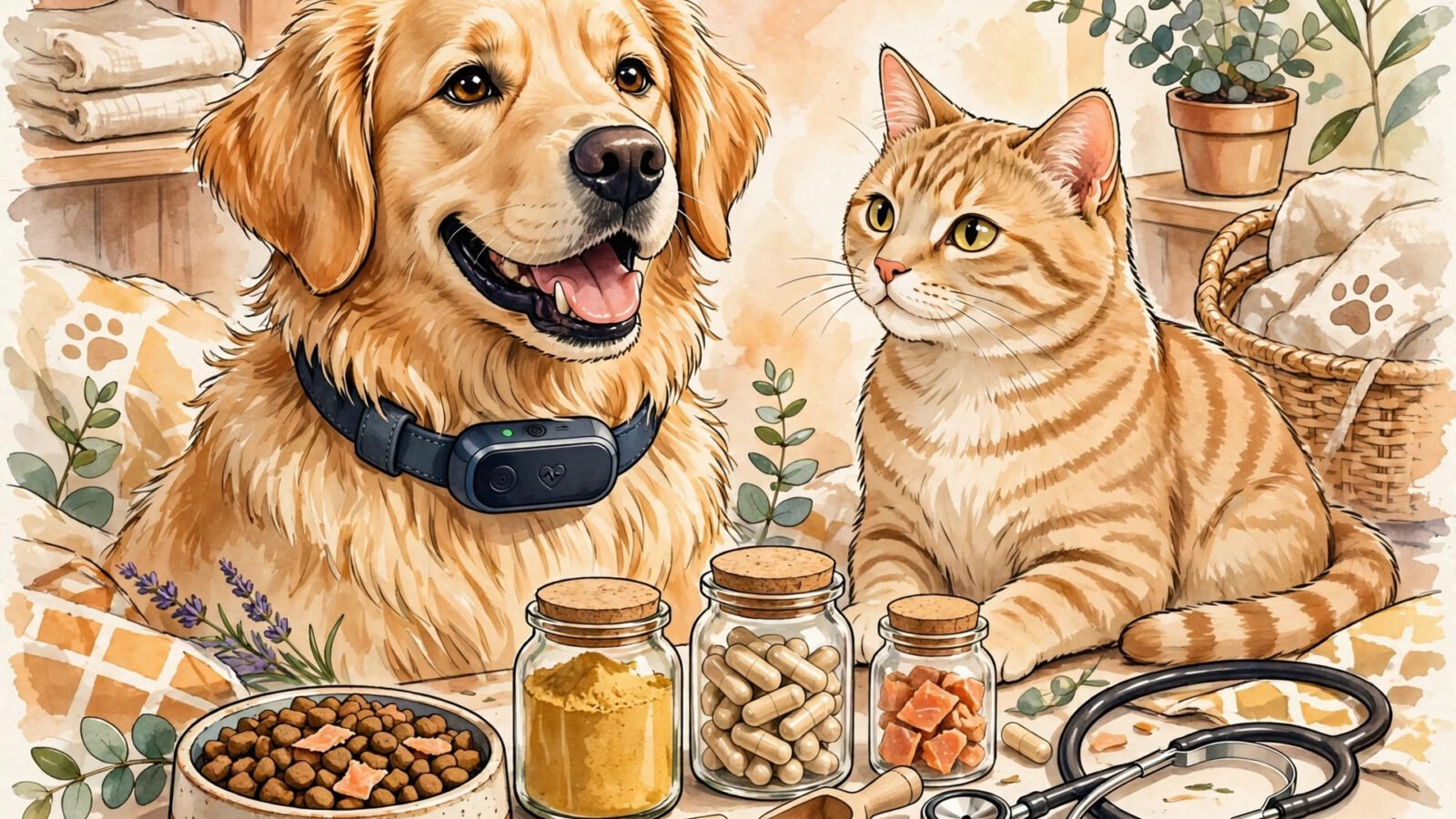
American pet owners have always spent generously on their animals — but in 2026, the spending has a distinctly wellness-forward flavor. The bag of kibble and annual vet visit have been joined by probiotics, wearable health trackers, acupuncture, fresh-food subscriptions, and pet insurance policies that rival human health plans in sophistication. The US pet industry now exceeds $150 billion annually, and the fastest-growing slice isn’t toys or treats — it’s health and wellness. Pets have become family members in the fullest sense, and we’re spending on them like it. Here’s how pet owners are spending on wellness in 2026, what’s driving it, and where the smart money goes.
The humanization engine: why wellness spending keeps climbing
The demographic math is simple: millennials and Gen Z — generations that delay marriage and kids but adopt pets enthusiastically — now dominate pet ownership, and they apply human wellness logic to their animals. If you take probiotics, track your sleep, and pay for therapy, why wouldn’t your dog get joint supplements and your cat get a water fountain with filtration? The pandemic pet boom added millions of deeply bonded owners (many working from home, noticing every limp and sneeze), and the humanization trend has only deepened since.
The economics support it: pet owners increasingly view wellness spending as preventive — a $40/month supplement or $60/month insurance premium beats a $5,000 emergency surgery. This preventive mindset, borrowed straight from human healthcare’s shift toward prevention, is the philosophical core of 2026’s pet wellness boom.
Where the wellness dollars go in 2026
Pet insurance: the breakout category
Pet insurance is the fastest-growing wellness-adjacent category — US penetration, long behind the UK and Sweden, is finally climbing steeply as vet costs soar. Comprehensive accident-and-illness plans run $40–$80/month for dogs ($20–$40 for cats), with deductibles and reimbursement levels to choose. The new 2026 wrinkles: wellness add-ons covering routine care, direct vet payment (no reimbursement wait), and employer-sponsored pet insurance as a benefits perk. The rule of thumb: insure early (premiums rise with age and pre-existing conditions are excluded), compare annual limits carefully, and read the exclusions — bilateral conditions and waiting periods trip up buyers.
Premium nutrition and supplements
Fresh and minimally processed food — refrigerated rolls, freeze-dried raw, gently cooked subscriptions — is the premium nutrition wave, with owners paying 2–4x kibble prices for ingredient transparency. Whether the nutritional science fully justifies the premium is debated, but palatability and stool quality improvements are real. Supplements are the quieter boom: joint support (glucosamine, omega-3s), probiotics for gut health, calming aids (CBD-adjacent products in legal gray zones — discuss with your vet), and senior cognitive support. The FDA’s animal and veterinary center regulates pet food safety — check for AAFCO nutritional adequacy statements on anything you buy.
Preventive and integrative veterinary care
The annual checkup evolved into wellness plans: bundled preventive care (exams, vaccines, dental, bloodwork) on monthly payment plans offered by vet chains and independents. Dental care — long neglected — is now recognized as critical (dental disease affects most pets by age three), driving demand for professional cleanings. Integrative options went mainstream: veterinary acupuncture, laser therapy, hydrotherapy, and chiropractic now appear in conventional practices, particularly for senior and athletic dogs. Telehealth triage for minor concerns saves emergency-visit premiums.
Tech-enabled health monitoring
Pet wearables grew up: GPS trackers with activity monitoring, smart collars detecting scratching/licking patterns that flag allergies early, and litter boxes that track feline bathroom habits for urinary warning signs. The data integrates with vet portals in 2026 — your vet can see trends, not just snapshots. It’s not cheap (devices $100–$200 plus subscriptions), but early detection of the subtle changes pets hide is genuinely valuable.
Wellness beyond the vet: lifestyle spending
The wellness umbrella keeps widening. Professional grooming upgraded to “spa” positioning — de-shedding treatments, blueberry facials, massage. Pet fitness: doggy daycares with structured exercise, catios and indoor enrichment for apartment cats, canine sports (agility, dock diving, nosework) as organized recreation. Mental wellness counts too: puzzle feeders, lick mats, and enrichment toys address the boredom behind most behavior problems. Travel wellness is its own category — owners increasingly refuse to leave pets behind, driving demand for pet-friendly hotels when traveling with a dog and better in-cabin and cargo options.
Spending smart: the wellness hierarchy
Not all wellness spending is equal. The evidence-based hierarchy: Tier 1 (do first): quality nutrition meeting AAFCO standards, preventive vet care and vaccines, parasite prevention, dental care, pet insurance while young. Tier 2 (high value): weight management (obesity is pets’ #1 preventable health crisis — the intervention is free: measure food, fewer treats), joint support for at-risk breeds, enrichment for mental health. Tier 3 (nice if budget allows): premium fresh food, wearables, spa grooming, boutique supplements.
The traps: supplement stacks with no vet guidance, “wellness” products making disease-cure claims (red flag — check the American Veterinary Medical Association resources), and spending on boutique inputs while skipping the unglamorous basics. And remember the home environment matters: flooring options for homes with pets affect joint health and hygiene daily — wellness starts at home, literally.
The senior pet wellness boom
Pets are living longer — better nutrition and veterinary care pushed average lifespans up notably over the past decade — and senior pet wellness is now its own booming sub-industry. The 2026 senior toolkit: joint-support regimens (supplements, laser therapy, hydrotherapy treadmills), cognitive-support diets and supplements for canine cognitive dysfunction (doggy dementia is real and increasingly treatable), more frequent senior bloodwork panels catching kidney, thyroid, and liver issues early, and comfort-focused home modifications (ramps, orthopedic beds, raised feeders).
The emotional economics are powerful: owners will spend almost anything for a beloved senior’s comfort, which makes this category both heartwarming and ripe for upselling. The smart approach mirrors human geriatrics — prioritize quality of life over quantity of interventions, establish a relationship with a vet you trust before the crisis, and have the hard conversations about end-of-life care early. Hospice and palliative care for pets is a growing specialty, and planning ahead is the final kindness. Senior wellness isn’t about denying aging; it’s about making the golden years genuinely golden.
Conclusion
The industry will happily sell you everything; your job is the hierarchy — insurance early, prevention always, weight managed, teeth cleaned, and the boutique extras only after the fundamentals are covered. Spend with love, but spend with priorities. Your pet’s best wellness plan was never the most expensive one — it’s the most consistent one.
Frequently Asked Questions
Is pet insurance worth it in 2026?
For most owners, yes — vet costs have risen sharply, and one emergency surgery can exceed years of premiums. Buy young (before pre-existing conditions develop), choose high annual limits, and compare deductibles and exclusions carefully.
What do pet owners spend the most on?
Food remains the largest category, followed by veterinary care — but vet care and pet insurance are the fastest-growing segments as the wellness/prevention mindset spreads.
Are fresh pet foods better than kibble?
They offer ingredient transparency and often better palatability; the science on long-term health superiority is still developing. Any food meeting AAFCO nutritional adequacy standards is nutritionally complete — fresh is a premium choice, not a requirement.
How much should I budget for pet wellness annually?
Beyond basics ($500–$1,000/year for food and routine vet care for a dog), wellness-focused owners often spend $1,500–$3,000+ including insurance, dental, supplements, and grooming. Budget before adopting — surprises cause surrenders.
What pet wellness trends are overhyped?
Exotic supplement stacks without vet guidance, “ancestral” diet claims unsupported by evidence, and luxury grooming positioned as health care. The fundamentals — weight, teeth, prevention, insurance — outperform every boutique trend.