Five years ago, nobody was talking about dog gut microbiomes. Ten years ago, “pet wellness” meant a bag of premium kibble. Today, venture capital flows into pet longevity startups, veterinary conferences have standing-room-only sessions on the microbiome, and your neighbor probably gives her golden retriever a probiotic. Pet health trends move fast — and spotting the next one early matters, whether you’re an owner, a retailer, or just curious where the industry’s going.
Trends in pet health don’t emerge from nowhere. They follow a predictable pipeline: human wellness fad → veterinary research interest → early-adopter brands → mainstream product shelves → your vet’s waiting room. Learn to read the pipeline, and you can see what’s coming a year or two before it arrives. Here’s how to spot the next pet health trend — and which early signals are flashing right now.
The human-to-pet pipeline: why Fido gets your wellness trends
The single most reliable predictor of pet health trends is the human wellness market with a 2–4 year lag. Grain-free, probiotics, CBD, fresh food, wearable health tracking — every one of these was a human trend first. The mechanism is straightforward: the same millennial and Gen Z consumers driving human wellness spending are the most engaged pet owners, and they apply the same logic to their animals.
This creates a practical forecasting tool. When a human wellness category hits real scale — GLP-1s, continuous glucose monitors, sleep optimization — start a mental timer. Within a few years, someone will be selling the pet version. The translation isn’t always legitimate (pets are not small humans, metabolically speaking), but the commercial pattern is remarkably consistent.
Signal 1: Follow the veterinary research money
Peer-reviewed research is the earliest credible signal. Watch for: new dedicated research programs (the microbiome went from fringe to funded in under five years), conference session topics at major veterinary meetings, and published clinical trials — the moment a trend has trial data, it’s 12–18 months from mainstream product claims.
Right now, the research heat is around: the gut-brain axis in pets (anxiety and behavior via microbiome), senolytics and longevity pathways (drugs that clear aged cells, already in canine trials), and precision nutrition based on individual metabolic profiling. The American Animal Hospital Association’s trend reports and conference programs are a good public window into where clinical attention is concentrating.
Signal 2: Watch what the startups are raising money for
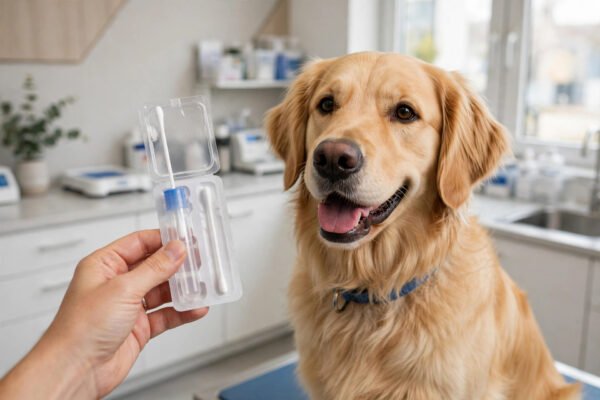
Venture funding in pet care has grown enormously, and VCs are professional trend-spotters with money on the line. When multiple startups raise rounds in the same niche within a year, a trend is crystallizing. Recent clusters: at-home pet diagnostics (urine, microbiome, allergy testing), pet longevity and “healthspan” companies, and AI-assisted veterinary triage.
The caveat: VC enthusiasm is not evidence of efficacy. The pet CBD boom attracted enormous investment ahead of thin evidence, and the shakeout is ongoing. Treat funding as a signal of commercial momentum, then check whether the clinical evidence is following or absent.
Signal 3: Read the ingredient panels at premium retailers
Product formulation leads mass awareness by about a year. When novel ingredients — postbiotics, insect protein, functional mushrooms, colostrum — start appearing across multiple premium brands simultaneously, the trend has crossed from concept to supply chain. Retailers don’t reformulate on whims; ingredient shifts reflect sustained consumer demand data.
The current shelf-level signals: calming functional ingredients (L-theanine, casein peptides) expanding beyond treats into food; “complete” fresh-food formulations targeting specific life stages; and dental-health actives moving from chews into daily food. None of these are accidents — each represents a bet by formulators on where owner concern is heading.
Signal 4: Track the metabolic health conversation
Here’s a specific prediction grounded in the pipeline logic: metabolic health is the next big pet trend. Over half of US dogs and cats are overweight, diabetes incidence is rising, and the human conversation around metabolic health — continuous monitoring, protein-forward nutrition, resistance to ultra-processed food — is at peak intensity. The pet translation is already starting: weight-management programs with real coaching (not just “feed less”), metabolic-focused formulations, and activity-plus-nutrition bundles.
Owners can get ahead of this one now. The fundamentals of pet metabolic health are unglamorous and free: portion control, the health benefits of a daily 30-minute walk apply to the dog too, and knowing the early warning signs of diabetes — excessive thirst, increased urination, weight loss despite good appetite — catches a manageable condition before it becomes a crisis. The American Veterinary Medical Association’s pet health resources track the profession’s evolving guidance.
Signal 5: The datafication of pet health
The structural trend underneath everything: pets are generating health data at unprecedented scale — GPS activity baselines, smart-feeder intake logs, litter-box biometrics, DNA panels, microbiome tests. The next leap isn’t another gadget; it’s integration: platforms that combine these streams into early-warning systems, the way human wearables moved from step-counting to health insights.
Watch for veterinary practices starting to ask for device data at wellness visits — that’s the moment datafication crosses from consumer novelty to clinical tool. Early adopters are already there; mainstream practices will follow within a few years. The American Pet Products Association’s annual industry data is the best public source for tracking the spending behind these shifts.
How to separate real trends from marketing
The pet industry has a hype cycle as aggressive as any. Your filter kit:
Ask for the mechanism. “Supports immunity” is marketing; “contains X CFU of these researched strains shown to do Y” is a claim you can evaluate. Real trends arrive with specifics.
Check the timeline. If a “breakthrough” ingredient has no published research but ten brands launched it this quarter, you’re watching marketing, not science. The lag between first credible study and legitimate product is measured in years, not weeks.
Watch your vet’s reaction. Veterinarians are conservative adopters — when independent vets (not brand ambassadors) start recommending something unprompted, the evidence has arrived. Until then, it’s a bet.
Follow the money skeptically. Ask who funded the study behind the claim. Industry-funded research isn’t automatically wrong, but independent replication is what separates trends from campaigns.
Conclusion
Spotting the next pet health trend is a learnable skill: watch the human wellness market, follow veterinary research funding, track startup clusters and shelf-level formulation shifts, and apply a ruthless evidence filter. Right now the signals point to metabolic health, microbiome-targeted interventions, longevity science, and the integration of pet health data into real preventive care.
The meta-trend underneath it all is the serious one: pets are moving from reactive sick-care to proactive health management, on roughly the same trajectory human medicine took a generation ago. The owners and professionals who read the signals early won’t just ride the trends — they’ll give their animals healthier, longer lives. That’s the point of the whole exercise.
Frequently Asked Questions
What is the biggest pet health trend right now?
The microbiome and gut health — probiotics, prebiotics, and microbiome testing — is the most established current wave, followed closely by fresh/minimally processed nutrition and at-home health monitoring via smart devices.
Are pet health trends just marketing fads?
Some are. The filter: real trends arrive with published research, plausible biological mechanisms, and eventually independent veterinary endorsement. Trends with heavy marketing but no clinical evidence (much of pet CBD’s early boom) tend to deflate.
How long before a human wellness trend reaches pets?
Typically 2–4 years from human mainstream to pet product shelves, then another 1–2 years to veterinary endorsement. Probiotics, wearables, and fresh food all followed roughly this timeline.
Should I try new pet health products early?
For low-risk interventions (a new probiotic strain, an enrichment product), early adoption is fine. For anything ingested with drug-like claims, or expensive longevity interventions, wait for published evidence or your vet’s recommendation — early adopters absorb both the cost and the risk.