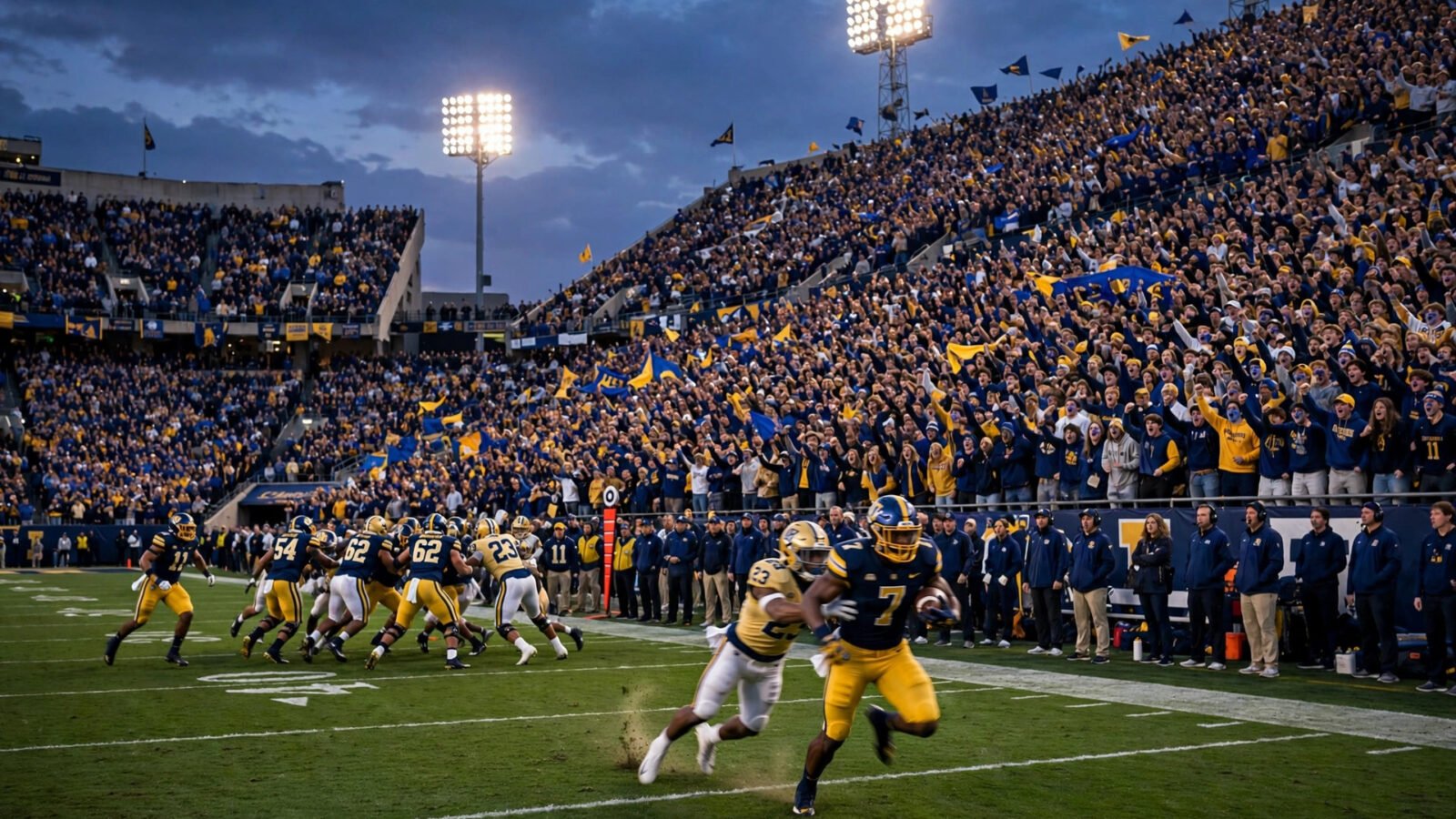
On July 1, 2021, the entire economic structure of college sports changed overnight. That’s the day name, image, and likeness (NIL) rights took effect for college athletes, ending a century-old system in which the players generating billions in revenue couldn’t legally profit from their own fame. Five years later, the transformation is total: seven-figure deals for teenage recruits, booster-funded “collectives” operating like pro payrolls, and a recruiting landscape unrecognizable from the one coaches navigated in 2020.
NIL didn’t just put money in athletes’ pockets. It rewired incentives across the whole ecosystem — how players choose schools, how long they stay, which sports get attention, and what it even means to be an amateur. Here’s how the NIL era actually works in 2026.
What NIL Actually Is (and Isn’t)
The core concept is simple: college athletes can now earn money from their personal brand — endorsements, sponsorships, autographs, social media posts, camps, merchandise. What NIL is not, technically, is pay-for-play: schools still can’t directly pay athletes salaries for performance, and deals are supposed to reflect genuine marketing value rather than recruiting inducements.
In practice, the line is blurry. Booster-funded “collectives” — independent organizations that pool donor money to fund NIL deals for a school’s athletes — now operate at virtually every major program. Top football and basketball programs have collectives with eight-figure annual budgets. The NCAA’s enforcement of the murky boundary between legitimate NIL and disguised recruiting payments has been, by most accounts, minimal — the association lost the legal leverage to police it aggressively after a string of court defeats.
For athletes weighing their options, the practical side of college life still matters too — including practical matters like the best budget laptop for college students, because even millionaire freshmen have to turn in homework.
The Money: Who’s Getting Paid and How Much
The NIL economy is wildly top-heavy. Star quarterbacks at premier programs sign deals worth millions annually; elite women’s basketball players and gymnasts with massive social followings earn seven figures. But the median Division I athlete earns far less — a few hundred to a few thousand dollars a year from local sponsorships, social posts, and appearances.
That distribution is the point, though. Before NIL, every athlete earned zero. Now, a backup offensive lineman can monetize a funny TikTok, a volleyball player can sign with a local car dealership, and a track star can sell training programs. The long tail of modest deals may matter more culturally than the headline millions — it’s proof the system works for ordinary athletes, not just celebrities.
Valuation firms now track athletes’ NIL worth like stocks, and high school recruits arrive on campus with pre-negotiated deals. The reporting on NIL’s explosive growth consistently shows the market maturing: more professional deal structures, more athlete representation, and more sophisticated collectives.
Recruiting Will Never Be the Same
The most visible change is in recruiting. Coaches once sold playing time, development, and tradition; now they sell NIL ecosystems. Recruits openly discuss collective packages during visits. Signing-day drama increasingly involves last-minute bidding dynamics that look more like free agency than college admissions.
This has scrambled the competitive hierarchy. Programs with wealthy, organized donor bases — not just the traditional blue bloods — can now buy their way into contention. It has also professionalized the process: recruits hire agents and advisors in high school, families negotiate deal terms, and “NIL representatives” are fixtures at elite programs. Whether this is corruption or long-overdue fairness depends entirely on where you sit.
The Olympic Sports Dividend
An underappreciated NIL story is what it did for non-revenue sports. Gymnasts, swimmers, track athletes, and volleyball players — many with huge social-media followings and squeaky-clean images — turned out to be ideal brand partners. Women’s sports athletes in particular have thrived: gymnasts and basketball players rank among the highest NIL earners in the country, a dynamic that’s accelerated investment and attention in women’s college athletics broadly.
NIL money has also kept Olympic-sport athletes in school longer. A swimmer who once would have turned pro early (and earned little) can now earn meaningful income while finishing a degree — which raises real questions about the future value of college degrees when the degree comes bundled with a six-figure brand portfolio.
The Transfer Portal Turned Into Free Agency
Combine NIL with the transfer portal’s immediate eligibility, and college sports now has something close to professional free agency. Players switch schools annually chasing better NIL packages and playing time; rosters turn over at rates that would have been scandalous a decade ago. Coaches now “recruit” their own rosters every offseason to prevent departures.
Fans are split. Some love the player empowerment — coaches could always leave for better deals, so why couldn’t players? Others mourn the death of program loyalty and team continuity. Both things are true: the system is fairer and less romantic than it was.
What’s Next: Revenue Sharing and the Employment Question
The frontier beyond NIL is direct revenue sharing — schools paying athletes a share of media-rights billions — which began taking shape after the House settlement framework. Early models suggest power-conference schools distributing tens of millions annually to athletes, a development that would have been legally unthinkable a decade ago. And behind that looms the biggest question of all: are college athletes employees? Legal challenges on that front continue, and an affirmative answer would transform college sports more radically than NIL ever did — bringing with it questions of unionization, collective bargaining, workers’ compensation, and Title IX’s application to an employment model.
Whatever comes next, the amateurism era is over and isn’t coming back. The debates now are about structure, not principle: how to share revenue fairly, how to protect athletes as workers, how to preserve what makes college sports distinct from the pros. NIL didn’t end college sports, as the doomsayers predicted. It ended the fiction — and forced everyone to build something more honest in its place.
The NCAA’s official NIL policy hub publishes the current interim rules and state-by-state legal differences that collectives and athletes navigate every season.
Frequently Asked Questions
What does NIL mean in college sports?
NIL stands for name, image, and likeness — the rights college athletes gained in 2021 to earn money from endorsements, sponsorships, social media, and other commercial uses of their personal brand.
How much do college athletes make from NIL?
It varies enormously. Star quarterbacks and elite women’s basketball players can earn millions per year, while the typical Division I athlete earns hundreds to low thousands from local business deals and social media posts.
What is an NIL collective?
A collective is a booster-funded organization that pools donor money to arrange NIL deals for a school’s athletes. Major programs have collectives with annual budgets in the millions or even tens of millions of dollars.
Can high school athletes sign NIL deals?
It depends on the state — many states now allow high school athletes to profit from NIL, and top recruits often arrive at college with deals already in place.
Will college athletes become employees?
It’s an open legal question being litigated in courts and before labor boards across the country. An employment ruling would be a bigger transformation than NIL, potentially bringing salaries, unions, and collective bargaining to college sports — and forcing a total rewrite of how athletic departments operate.