The $30,000 electric car was the industry’s longest-running broken promise — until 2026. This year, affordable electric models finally arrived in meaningful numbers, and they are reshaping who can go electric. Here is the rise of affordable electric models under $30K: what is actually available, what the compromises look like, and whether the cheap EV is finally the smart buy.
What $30K Buys in 2026
The affordable EV class of 2026 is not one car but a category: compact crossovers and hatchbacks from legacy automakers and new entrants alike, most landing between $27,000 and $32,000 before incentives. The specs that matter: 200–260 miles of EPA-rated range, DC fast-charging (though speeds vary widely), and safety and tech equipment that would have been luxury-tier five years ago.
The EPA fuel-economy ratings at fueleconomy.gov are the essential comparison tool — filter by electric, sort by price, and the affordable class reveals itself. Pay special attention to the MPGe and the range figure together: efficiency determines your real charging costs, and the range number determines your real usability.
How They Got the Price Down
The price breakthrough came from three directions. Cheaper batteries: lithium-iron-phosphate (LFP) chemistry slashed pack costs while improving longevity — the trade-off is slightly lower energy density, which matters less in small cars. Simpler platforms: dedicated affordable-EV architectures with fewer parts, less wiring, and manufacturing designed for automation. Right-sized range: 220 miles covers the vast majority of daily driving; the 350-mile packs of premium EVs were overkill most buyers were overpaying for.
Incentives stack on top: the federal clean-vehicle credit (where models qualify), state rebates, and utility programs can take thousands more off. The Department of Energy’s EV resources track current incentive eligibility — check before you buy, because qualification rules shift.
The Honest Compromises
Affordable EVs are real cars, not compliance jokes — but the price comes from somewhere. The common trade-offs: slower DC fast-charging (fine for daily use, limiting on road trips), simpler interiors (durable but plain), fewer driver-assistance features on base trims, and in some cases shorter warranty coverage on non-battery components.
The charging-speed caveat deserves emphasis because it determines road-trip viability. A car that charges at 100 kW versus 250 kW turns a 25-minute stop into an hour — acceptable occasionally, punishing regularly. If you road-trip often, our guide to planning a road trip with an electric car will help you evaluate whether a slower-charging affordable EV fits your life — for many buyers, it does.
Total Cost: Where Affordable EVs Win Big
The sticker price is only half the story. Affordable EVs dominate total cost of ownership: electricity costs a fraction of gasoline per mile, maintenance is minimal (no oil changes, brakes that last via regeneration, far fewer moving parts), and insurance — while sometimes higher for EVs — is offset by the fuel savings for most drivers.
Run the five-year math against a comparable gas car and the affordable EV typically wins by thousands, even before incentives. The cheapest ways to travel between US cities comparison makes the same point at trip level: per-mile, electric driving is the budget option, and the affordable class extends that advantage to the purchase price.
Who Should Buy One (and Who Should Not)
Buy if: you have home charging (or reliable workplace charging), your daily driving fits comfortably within the range, and you keep cars long enough for the total-cost math to compound. The affordable EV is the ideal second car and, for many households, a perfectly good only car.
Wait if: you lack charging access and rely on public infrastructure (still patchy in many areas), you regularly tow heavy loads, or you take frequent long road trips where charging speed matters. For those buyers, the hybrid remains the pragmatic 2026 pick — and the affordable EV will be even better in two years.
The Used Affordable EV: The Real Steal
Here is the 2026 secret beneath the new-car story: used affordable EVs are the best value in the entire auto market. Early affordable models are now hitting the secondary market as leases end, and depreciation — brutal for the first owner — is a gift to the second. Three-year-old EVs with 200+ miles of range now trade at prices that make the total-cost math absurdly favorable.
The battery anxiety that suppresses used EV prices is largely outdated: battery-health reports are now standard, degradation data shows modern packs holding up well, and the remaining factory battery warranty transfers to the new owner. Get the battery report, verify the warranty, and buy the depreciation — the used affordable EV is how the budget-conscious go electric in 2026.
Charging at Home: The Real Requirement
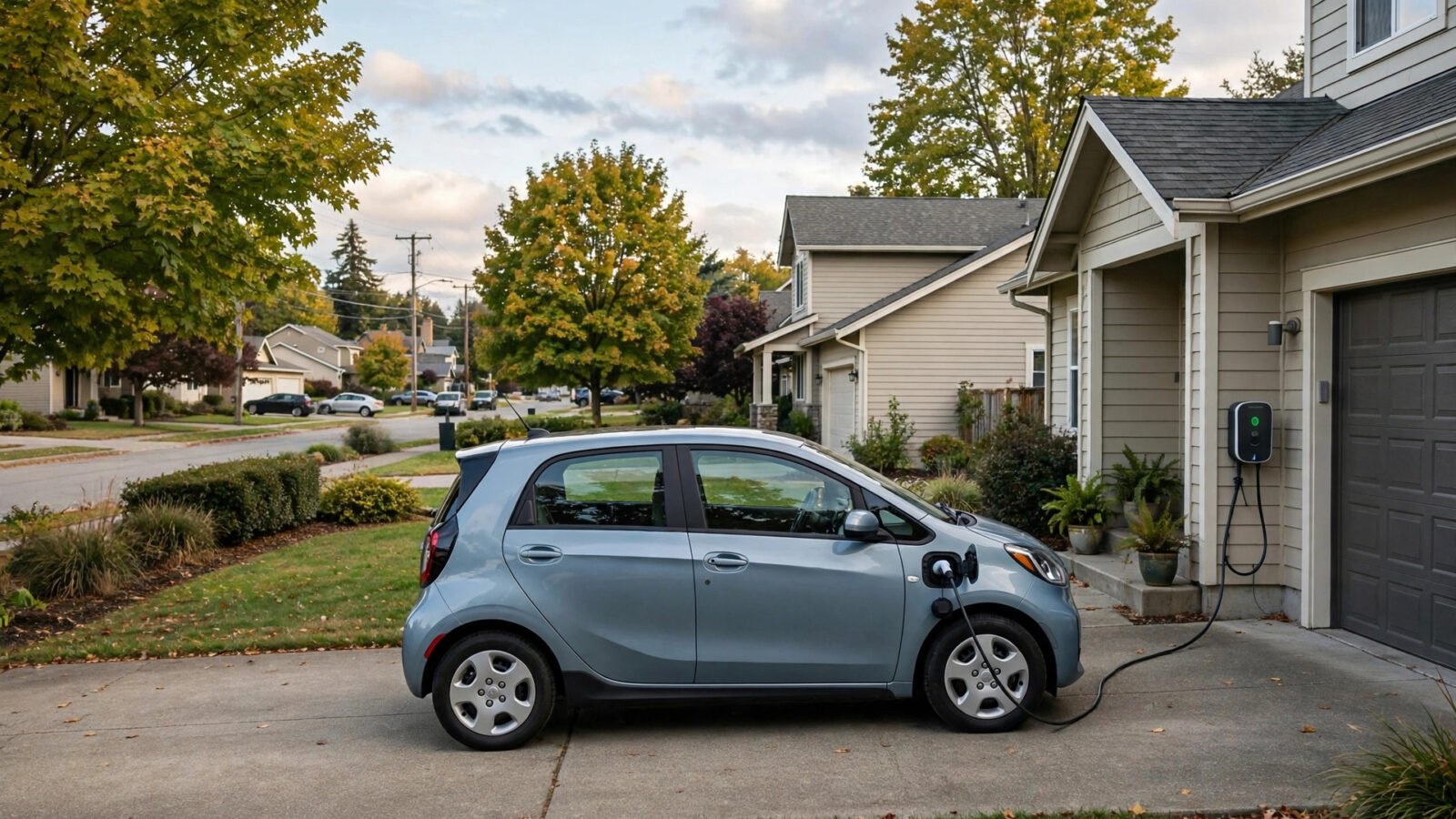
The honest prerequisite for affordable-EV happiness is home charging — and 2026 made it easier. A standard 240V outlet (the kind dryers use) covers overnight charging for most drivers; dedicated Level 2 chargers install for a few hundred dollars plus electrician costs, with utility rebates softening the blow in many areas. Renters face the real barrier: push landlords on the business case (EV-ready rentals command premiums) and know your state’s right-to-charge laws, which increasingly protect tenants’ ability to install charging.
Without home charging, the math changes: public charging costs more per mile and eats time. It can still work — workplace charging, reliable nearby fast chargers — but verify before buying, not after. The affordable EV revolution is real, but it runs on electrons you can access while you sleep.
The Market Effect
The affordable class is already disciplining the whole market: used EV prices adjusted downward, premium EVs added equipment to justify their premiums, and gas-powered economy cars face their first real existential threat. The $30K EV did not just open electric driving to new buyers — it reset expectations for what any affordable car should offer. The promise finally kept is reshaping everything around it.
Frequently Asked Questions
What is the cheapest electric car in 2026?
Several models now land under $30,000 before incentives, with the exact cheapest varying by region and available rebates. Check fueleconomy.gov filtered by electric drivetrain and current incentive eligibility — the effective price after credits can dip well into the mid-$20Ks.
Is a cheap EV worth it?
For most buyers with home charging, yes — the total cost of ownership beats comparable gas cars by thousands over five years. The compromises (slower fast-charging, simpler interiors) matter mainly for frequent road-trippers; for daily driving, affordable EVs are the value champions of 2026.
How long do affordable EV batteries last?
Modern LFP batteries — common in affordable EVs — are among the longest-lived chemistries, with many rated for 3,000+ full cycles. Real-world data suggests 10–15 years of useful life for typical drivers, and federal rules require 8-year/100,000-mile battery warranties minimum.
Can I road-trip in an affordable EV?
Yes, with planning — the slower DC fast-charging of budget models means longer stops, so route planning matters more. For occasional trips it is a minor inconvenience; for monthly long-haul driving, consider whether a faster-charging model fits the budget.
Do affordable EVs qualify for tax credits?
Some do, subject to assembly, battery-sourcing, and income rules that change periodically. Always verify current eligibility at the Department of Energy’s resources before purchase — the credit can take thousands off the effective price when it applies.