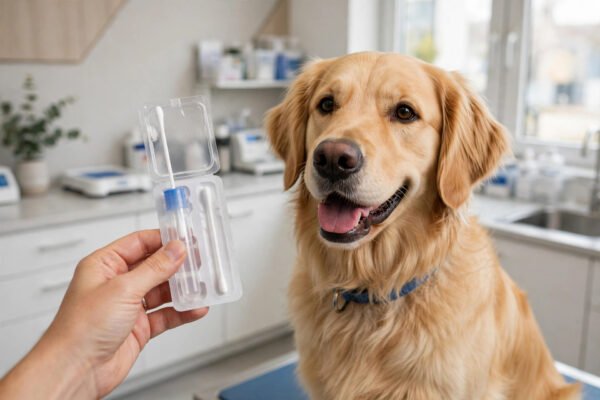
The kennel card said “Biscuit, 3 years, shy.” The TikTok said something else: a trembling beagle mix learning, over 47 seconds, that the shelter volunteer’s lap was safe — set to a trending sound, captioned with his story, viewed 2.3 million times. Biscuit was adopted within the week, along with eleven other dogs featured that month. This is animal sheltering in 2026: the difference between a full kennel and an empty one is increasingly a content strategy.
US shelters take in millions of animals a year, and while adoption rates have improved dramatically over the past decade, the math is still brutal — space is finite, and long-stay animals deteriorate the longer they wait. Social media has become the most powerful tool shelters have ever had for moving animals into homes. Here’s how they’re using it, what’s working, and what the viral era means for animal welfare.
Why social media changed everything for shelters
The old model was foot traffic and luck: hope the right person walks past the right kennel on the right day. Social media inverted it — the animal goes to the adopter instead. A single viral video can generate more applications than a month of open-house Saturdays, and the effect compounds: followers become donors, volunteers, fosters, and repeat adopters.
The economics are unbeatable. Traditional advertising is out of reach for most municipal shelters and small rescues; a smartphone and a volunteer with an eye for storytelling cost nothing. During the pandemic, when physical visits were restricted, shelters that pivoted to video didn’t just survive — many cleared their kennels entirely, discovering an audience of homebound would-be adopters they’d never reached before. The playbook stuck.
The content formats that actually move animals
Not all shelter content is equal, and the data on what drives adoptions is getting sophisticated. The consistent winners:
Personality reveals. The “day in the life” and “firsts” genres — a long-stay dog’s first puppuccino, a shy cat’s first head-butt — outperform static photos dramatically because they answer the adopter’s real question: what is this animal like? Shelters report that animals with video profiles get adopted measurably faster than those with photos alone.
The underdog narrative. Seniors, three-legged dogs, one-eyed cats, and chronic long-stayers are social media gold. Audiences root for them specifically, and the “nobody wanted him for 400 days” framing reliably floods inboxes. Some shelters now deliberately rotate their hardest cases through featured slots.
Behind-the-scenes authenticity. Kennel cleaning at 6 a.m., vet techs celebrating a heartworm-negative test, the unglamorous reality of shelter work — this content builds the trust and emotional investment that converts followers into fosters and donors. The Best Friends Animal Society, a leader in the no-kill movement, has long argued that transparency is sheltering’s best marketing asset.
Trends, done shelter-style. The smartest shelter accounts don’t just post animals — they participate in platform culture: trending sounds, duets, “get ready with me” parodies where the dog gets ready for adoption day. The algorithm rewards native-feeling content, and shelter marketers have become fluent. Guides to AI tools for creating social media content are increasingly standard reading for shelter comms volunteers trying to keep up with production demands.
The strategy behind the virality
The best shelter accounts run like small media companies. That means: posting cadence (daily beats sporadic), platform-native formatting (vertical video, captions on, hooks in the first two seconds), and — critically — a clear call to action on every animal post. “Link in bio to apply” outperforms “isn’t she cute?” by orders of magnitude because social platforms throttle posts with external links; savvy shelters put the application link in the bio and name the animal in the caption so motivated viewers can find it.
Platform choice matters too. TikTok and Instagram Reels drive discovery and virality; Facebook still drives actual adoptions among the 30-plus demographic that adopts most; Nextdoor hyper-targets the neighborhood around the shelter. Thinking about choosing the right social platform for a local organization applies directly — shelters are local nonprofits with the same discoverability problem as any small business.
Foster networks have become content engines in their own right. A dog in a foster home generates “home behavior” footage — couch cuddles, house-training wins — that kennel footage can’t match, and foster-based marketing consistently outperforms shelter-based marketing for the same animal. The rise of foster-first rescue models and shelter content strategy are the same story told twice.
The dark side of viral adoptions
Virality has failure modes, and shelters are learning them in public. The biggest: impulse adoptions. A video that makes 2 million people cry can generate hundreds of applications from people who’ve thought about it for 47 seconds. Responsible shelters have responded with stricter screening, mandatory cooling-off conversations, and honest “this dog is a lot” captions — but the tension between moving animals fast and placing them well is real.
There’s also a welfare cost to content itself. Constant filming stresses some animals; the “shelter influencer” dogs who appear in every video can burn out; and the pressure to produce content falls on already-overworked staff. The ethical shelters set boundaries: no staging distress for views, no keeping an animal kenneled longer because its video is performing, and rest days for the four-legged talent.
Breed and appearance bias gets amplified, not fixed, by algorithms. The photogenic puppies go mega-viral; the plain brown senior dogs still wait. Some shelters counter-program deliberately — “ugly dog” contests, senior spotlights — but the algorithm’s preferences are the algorithm’s preferences.
What the numbers say
Industry data from Shelter Animals Count, which tracks national shelter statistics, shows the broad trend: live-release rates have climbed dramatically over the past decade, and while many factors contributed (spay/neuter, managed intake, foster expansion), the marketing revolution is part of the story. Individual shelters routinely credit specific viral moments with clearing kennels — a single TikTok driving 50+ applications for one dog is no longer remarkable.
The ASPCA’s shelter research consistently finds that the biggest barrier to adoption isn’t supply or demand — it’s friction. Most adopters report they would have adopted sooner if they’d known the animal existed. Social media attacks exactly that friction: discovery. In that sense, the shelter TikTok isn’t a gimmick; it’s the most efficient matching market animal welfare has ever had.
How to help (beyond adopting)
You don’t need to adopt to be part of the machine. Sharing a shelter’s posts — especially for long-stay and special-needs animals — measurably increases their reach; the algorithm treats shares as strong signals. Fostering is the highest-leverage move: it frees a kennel, generates better content, and gives the shelter behavioral data that improves placement. And if you have marketing, video, or photography skills, shelters are desperate for them — most would rather have a volunteer videographer than another bag of kibble.
Conclusion
Animal shelters didn’t set out to become media companies; they became them because the alternative was full kennels. The social media era has given sheltering its most powerful adoption engine ever — one that runs on authenticity, storytelling, and the internet’s bottomless appetite for a happy ending.
The challenge now is maturity: keeping the virality without the impulse-adoption hangover, the content without the burnout, the happy endings without the fine print. Biscuit got his home because someone filmed 47 honest seconds. Multiply that by every shelter in America, and you start to see what the movement actually is: not a trend, but the new infrastructure of adoption.
Frequently Asked Questions
Do viral videos actually lead to lasting adoptions?
Mostly yes, with caveats. Shelters report strong retention for viral-driven adoptions when screening stays rigorous. Problems arise when virality outpaces process — the shelters that thrive pair content volume with thorough applications, home checks where appropriate, and honest behavioral disclosure.
How can I find adoptable pets near me on social media?
Search TikTok and Instagram for your city plus “shelter” or “rescue,” follow your local municipal shelter, and check Petfinder and Adopt a Pet, which aggregate listings. Many shelters now post new arrivals to social before their websites.
Why do some shelter dogs stay for months despite social media?
Behavioral or medical needs, breed restrictions in local housing, and plain algorithmic luck all play roles. Long-stay animals often need foster placement first — home footage outperforms kennel footage — so asking a shelter “who’s your longest resident?” and sharing that post helps most.
Is fostering really that impactful?
Yes — it’s arguably the highest-leverage volunteer role. Fostering frees kennel space (saving the next animal), provides behavioral information that improves matches, and generates the home-environment content that drives the fastest adoptions.