Candles are the default home-fragrance move, but they’re not for everyone: open flames around kids and pets, smoke that aggravates allergies and asthma, and the cost of replacing $25 candles monthly. The good news: some of the best ways to make your home smell amazing don’t involve candles at all — and several work better, last longer, and cost less.
Before adding fragrance, though, handle the source. No scent covers a musty drain or a full trash can — it just creates “floral garbage.” Deep-clean the usual suspects first (garbage disposal, trash cans, fridge, laundry hamper), then layer in the good smells.
How Can I Make My Home Smell Amazing Without Candles? The Stovetop Simmer Pot
The single best candle alternative: a simmer pot. Fill a pot with water, add aromatics, and let it barely simmer for hours. The whole house fills with real, natural fragrance for pennies.
Classic cozy: sliced oranges, cinnamon sticks, whole cloves, a splash of vanilla.
Fresh and clean: lemon slices, rosemary sprigs, a few drops of vanilla.
Autumn: apple slices, cinnamon, nutmeg, orange peel.
Holiday: cranberries, pine sprigs, cinnamon, orange.
Keep the water topped up and never leave it unattended — or use a small slow cooker on low for a set-and-forget version. One simmer pot scents the whole main floor for an entire afternoon, and guests will ask what that amazing smell is before they’re fully through the door.
The Baking Trick (and Other Kitchen Magic)
Bake something. This is the oldest trick in real estate for a reason — nothing says “home” like the smell of baking bread, cookies, or even just vanilla extract dabbed on a warm oven tray. If you don’t want to actually bake, simmer a teaspoon of vanilla extract in water on the stove for the same effect.
Coffee grounds. Freshly ground coffee in a bowl on the counter scents the kitchen beautifully. Used grounds in the fridge absorb odors instead of adding them — the two-way player of home fragrance.
Toast spices. Toss cinnamon sticks or whole spices in a dry skillet for two minutes. The heat releases oils that perfume the whole kitchen. Takes 120 seconds, smells like you know what you’re doing.
Passive Fragrance: Set It and Forget It
Essential oil diffusers. Ultrasonic diffusers ($20–30) mist water and oil into the air — no flame, no smoke, adjustable intensity. Eucalyptus and lemon for energy, lavender and cedarwood for calm. One diffuser covers a large room; the oils last months. (Note: some oils are unsafe for cats, dogs, and birds — check before diffusing around pets.)
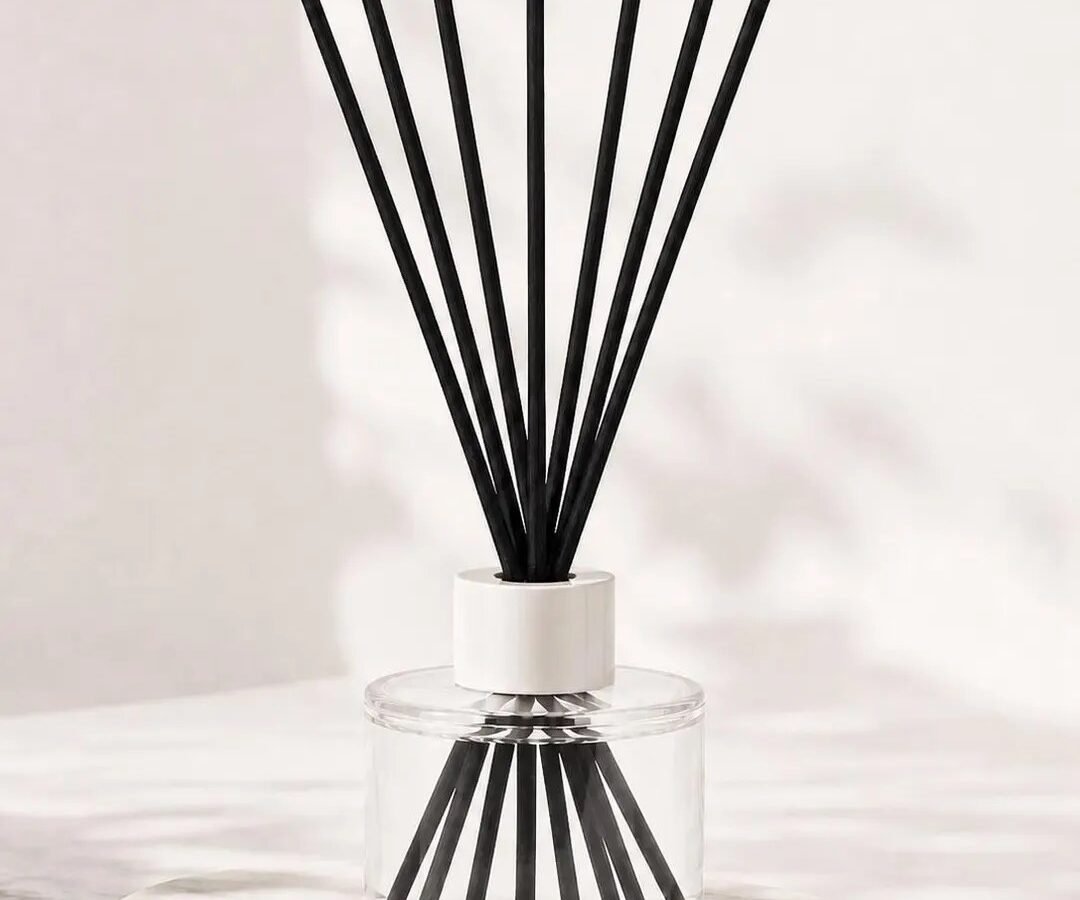
Reed diffusers. Zero maintenance — flip the reeds weekly. Great for bathrooms and entryways where you want constant subtle scent. DIY version: baby oil + essential oils in a small vase with bamboo skewers, for about $3.
Scented sachets. Lavender sachets in drawers, closets, and under pillows. Cedar blocks in closets (they also repel moths). Dried eucalyptus hung in the shower — the steam releases the scent every time you bathe, and it looks gorgeous.
Houseplants that pull double duty. Jasmine, gardenia, lavender, scented geraniums, and herbs like rosemary and mint add living fragrance. A pot of low-maintenance houseplants for beginners on the kitchen windowsill scents the room every time you brush past it — fragrance you can also cook with.
Textiles: The Secret Scent Reservoir
Fabric holds smell longer than air does. Wash throw blankets and cushion covers with a scented detergent or a cup of vinegar plus essential oils (vinegar smell vanishes when dry; the freshness stays). Spritz curtains and upholstery with a DIY linen spray — water, a splash of vodka or witch hazel (it helps the scent disperse), and 20 drops of essential oil. Add a dryer sheet or scented sachet inside decorative pillow covers. When guests sit down and the couch smells good, that’s the detail that makes a home feel amazing.
Baking soda is the unsung hero here: sprinkle it on carpets and upholstery, wait 20 minutes, vacuum. It doesn’t add fragrance — it erases the funk so your good scents have a clean canvas. Work this into creating a cleaning schedule that actually works monthly and the baseline smell of your home stays neutral-to-lovely instead of slowly going stale.
Targeted Fixes for Problem Smells
- Musty bathroom: eucalyptus in the shower + a reed diffuser + an exhaust fan that actually runs. If the mustiness persists, check for hidden mold — fragrance can’t fix that.
- Cooking odors: simmer vinegar water for 15 minutes after frying (it neutralizes airborne grease smell), then follow with a pleasant simmer pot.
- Pet smells: wash pet bedding weekly (this is 90% of it), baking soda on carpets, and an air purifier with a carbon filter for the rest.
- Stale closets: cedar blocks + a sachet + leaving the door open for airflow occasionally. Closed, unventilated spaces go stale fastest.
- Garbage disposal: ice cubes + lemon peels + a tablespoon of baking soda, run with cold water. The ice scours the blades; the lemon deodorizes.
A word on safety: “fragrance” in commercial plug-ins and sprays can contain phthalates and VOCs that irritate sensitive lungs — the the EPA’s resources on indoor air quality and safer fragrance has guidance on choosing safer options. Natural methods (simmer pots, plants, baking soda) sidestep the issue entirely, which is one more reason they’re the better default. And the overall effect compounds: a home that smells subtly wonderful feels cleaner, calmer, and more welcoming — it’s one of the fastest ways to make my rental apartment feel like home, especially for renters who can’t renovate.
The 5-Minute Freshen-Up (Guests Incoming!)
Someone’s coming over in 20 minutes and the house smells like… lived-in? Emergency protocol: take out all trash and run the disposal with lemon; wipe down the bathroom sink and mirror; start a simmer pot (orange + cinnamon works fastest); spritz the living room curtains with linen spray; light the diffuser in the entryway. Fifteen minutes, and the house smells intentionally lovely instead of apologetically neutral. Keep simmer-pot ingredients and linen spray stocked permanently — future-you, surprised by drop-in guests, will be grateful.
The Practical Takeaway
This weekend: deep-clean the top three odor sources (disposal, trash cans, fridge), start a simmer pot with orange-cinnamon-clove, and put a reed diffuser in the bathroom. Total cost: under $15. By Sunday evening your home will smell like the best version of itself — no open flame required, and the simmer pot trick alone will make you wonder why you ever spent $25 on a candle.