Every famous artist was once a local artist playing to twelve people. The cultural life of your town — the murals, the music, the theater, the galleries — runs on community support, not just talent. If you’ve ever wondered how to support local artists in my community beyond vague good intentions, here’s the practical playbook, from free actions to real investment.
How to Support Local Artists in My Community: 12 Ways
Show up (the free stuff that matters most)
1. Attend local shows and openings
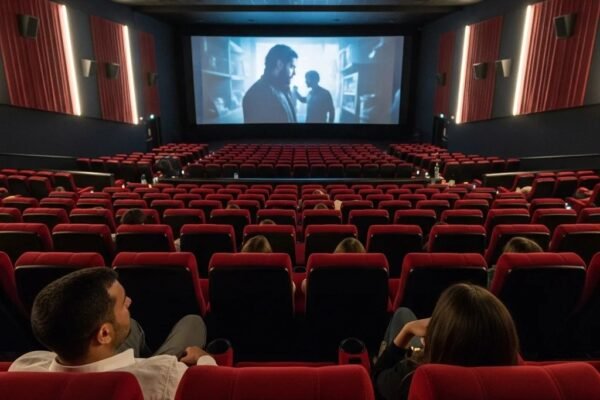
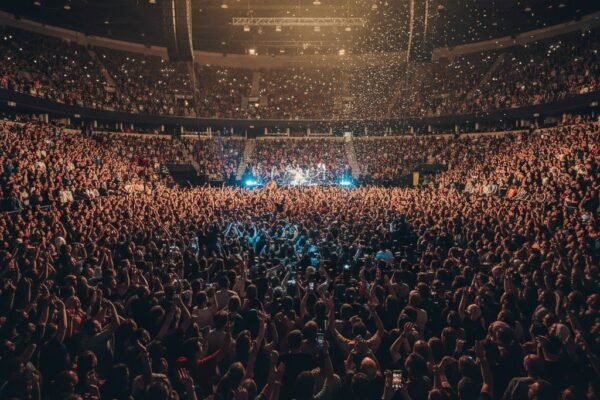
Attendance is currency. A packed room tells a venue to book that band again; an empty gallery tells the owner to reconsider. Gallery openings are usually free with free wine. Local theater tickets cost a fraction of touring shows. Just being there — consistently — is the foundation of everything else. Our guide to finding local live music will fill your calendar fast.
2. Bring a friend
The single highest-leverage free action: every time you go, bring someone new. Artists remember who brings crowds. Venues notice which acts draw. Your plus-one habit compounds.
3. Share their work
Post about the show, share the event, tag the artist. Social media amplification costs nothing and genuinely drives attendance — most local artists cite word-of-mouth as their top discovery channel. Write the review, leave the comment, tell the group chat.
Buy Direct (Where Your Dollar Counts Most)
4. Buy art from the artist
Buy at the show, from their website, or at local markets — not through intermediaries that take 50% commissions. A $200 painting bought direct might be the artist’s rent money; the same $200 through a gallery is $100. Ask about payment plans for bigger pieces; many artists offer them.
5. Buy the merch
For musicians, merch table sales are often more profitable than the gig itself. The $25 t-shirt matters more than you think. Same for authors at readings, comedians at shows — buy the thing.
6. Commission work
Need a portrait, a logo, a mural for the nursery, wedding invitations? Hire local. Commissions are the steadiest income in the arts, and you get something made exactly for you. Ask to see portfolios, agree on price and timeline in writing, and pay deposits promptly.
7. Tip the performers
Street performers, open mic musicians, the band at the brewery — tip like you mean it. Cash in the jar is immediate, tangible support.
Give Time and Space
8. Volunteer
Community theaters, art walks, music festivals, and galleries run on volunteers — ushers, set builders, event staff. You get behind-the-scenes access, meet everyone, and keep the organization alive. Many offer volunteer perks like free show tickets.
9. Offer your walls or space
Own a café, office, or Airbnb? Offer wall space for rotating local art (with prices and contact info displayed). Host a house concert — musicians love intimate rooms, and 30 guests in a living room is a magical show. Our open mic guide covers the grassroots performance scene.
10. Teach or mentor
If you have professional skills — marketing, accounting, photography, web design — offer them to artists who need them. The business side of art is where most artists struggle; an hour of your expertise can be worth more than a donation.
Invest in the Ecosystem
11. Support the venues and organizations
Donate to the community theater, join the arts council, become a member of the local museum. Institutions create the stages artists perform on. Membership dollars are the steadiest funding in local arts.
12. Vote and advocate
Arts funding is a line item in local budgets. Show up to city council meetings when it’s discussed, vote for the levies, and tell representatives that the arts matter to you. Organizations like Americans for the Arts provide tools for effective arts advocacy. Unsexy, effective.
What NOT to Do
- Don’t ask for free work “for exposure.” The most damaging phrase in the arts. Pay artists, or don’t ask.
- Don’t haggle aggressively on already-fair prices. A polite question about flexibility is fine; grinding down a $150 painting insults the labor.
- Don’t only support the famous-adjacent. The experimental theater and the weird noise band need you more than the crowd-pleasing cover band does.
Measuring Your Impact (And Staying Motivated)
Supporting local arts is a long game. Here is how to see that it is working and keep going:
Track what you attend and buy
Keep a simple note: shows attended, art bought, artists discovered this year. Review it in December. Most people are shocked at how much local culture they consumed – and how little they spent compared to one vacation or a few months of subscriptions. The visible record turns vague goodwill into a concrete habit you can see growing.
The compounding effect
Local arts scenes run on regulars. The venue owner who sees your face monthly books bolder acts. The artist who sells three pieces at a show can afford to keep making work. Your single ticket is small; your pattern of attendance is infrastructure. This is why consistency beats grand gestures – the $15 monthly show habit matters more than one $200 gala donation.
Bring the next generation
Kids who grow up going to local shows, galleries, and theater become adults who support them. Family-friendly programming exists at every level – kids’ theater series, all-ages music shows, free outdoor events. Our family entertainment guide covers the at-home side; the live side is even better. A child who has met a working artist understands art as a life, not just a product.
When your town has no scene (yet)
Some places genuinely lack infrastructure. The answer is not to wait – it is to start small: host the house concert, organize the pop-up gallery in the empty storefront, start the open mic at the brewery. Scenes are built by the first ten people who show up consistently. Every thriving arts district was once an empty street where someone decided to try. Be that person, and in two years you will be the “local arts supporter” profiled in the paper – because you built the thing you wanted to support.
The Takeaway
Show up, bring friends, buy direct, and pay fairly. Support local artists in your community isn’t charity — it’s how you get to live in a place with live music, interesting walls, and stories worth telling. The scene you want is built by the tickets you buy.