Sustainable travel has an image problem. People hear ‘eco-friendly trip’ and picture $400-a-night eco-lodges and carbon offsets that cost more than the flight. But in my experience, the most sustainable way to travel is usually the cheapest way to travel, because both come down to the same thing: consuming less stuff.
I’ve spent years figuring out how to travel more sustainably without spending extra, and the honest truth is that most of it saves money. Here’s what actually works, no guilt trips or luxury price tags involved.
Travel More Sustainably Without Spending Extra: The Big Wins
Let’s start with what matters most. A handful of choices drive the vast majority of your trip’s environmental footprint, and they’re all free or cheaper than the alternative. Flying less, or flying smarter, is number one. A single long-haul flight can exceed your entire year’s driving emissions, so when a train or bus is viable, take it. It’s often cheaper anyway.
Where you stay matters too. A locally owned guesthouse keeps your money in the community and typically uses fewer resources than a mega-resort. And eating local food, shopping at markets, and walking instead of ridesharing are simultaneously the most sustainable and the most enjoyable ways to experience a place.
- Take the train or bus when possible. Often cheaper than flying on routes under 500 miles, and dramatically lower emissions. Bonus: you see the countryside.
- Fly direct and pack light. Takeoffs burn the most fuel, so one direct flight beats two connections. Lighter planes burn less fuel, so packing light genuinely helps.
- Stay in locally owned places. Guesthouses and small hotels keep money local and usually consume less energy and water per guest than big resorts.
- Eat local and seasonal. Market meals and local restaurants have tiny food-miles footprints and cost a fraction of tourist-trap dining.
- Walk, bike, and use transit. The greenest transport is also the cheapest and gives you the best feel for a city. Many cities have excellent day-pass transit deals.
- Travel slower. One week in one place beats three cities in five days for both emissions and enjoyment. Slow travel is budget travel.
The Small Stuff That Adds Up (and Costs Nothing)
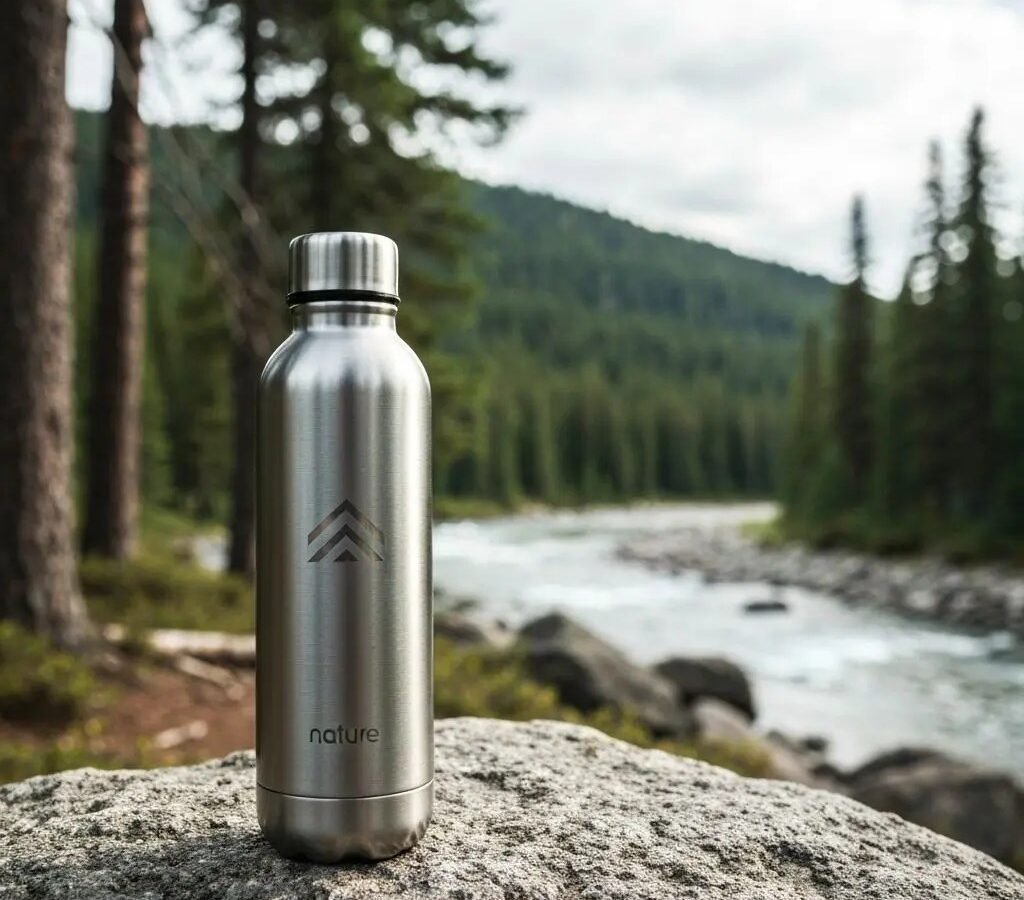
Beyond the big choices, a set of tiny habits compounds over a trip. None of these cost anything; several save money directly. I keep a small kit in my daypack: a reusable water bottle, a cloth tote, and a set of utensils. That’s it. Three items that eliminate dozens of single-use plastics per trip.
Water is the sneakiest travel expense and waste source. In places with safe tap water, refilling a bottle saves $3-5 a day and keeps a pile of plastic out of landfills. Where tap water isn’t safe, a filter bottle or purification tablets beat buying bottled water constantly.
- Carry a reusable water bottle. Free refills at airports, hotels, and restaurants. Saves money from day one.
- Bring a tote bag and utensils. Eliminates plastic bags and cutlery from street food and markets. Weighs almost nothing.
- Refuse hotel housekeeping. Skipping daily towel and sheet changes saves significant water and energy. Many hotels now offer loyalty points for opting out.
- Turn off and unplug. Lights, AC, and chargers off when you leave the room. Takes ten seconds.
- Eat the local street food. Lower footprint than imported restaurant supply chains, a fraction of the price, and usually the best food in town anyway.
- Buy experiences, not souvenirs. A cooking class beats a mass-produced trinket for memories, money, and the planet.
What About Carbon Offsets and ‘Eco’ Labels?
You’ll encounter carbon offset offers at checkout and eco-certifications on hotels. My take: offsets are better than nothing but shouldn’t be your first move. Reduce first, offset what’s left. When you do offset, use reputable programs; the EPA’s climate resources explain what credible offsetting looks like.
As for eco-labels, some are meaningful and some are marketing. Real certifications involve third-party audits. A hotel that just says ‘eco-friendly’ because it stopped replacing your towels is doing the bare minimum, though honestly, reusing towels is still worth doing.
- Reduce before you offset. Offsets don’t erase emissions; they compensate. The flight you don’t take beats the flight you offset.
- Look for real certifications. Third-party audited labels mean something. Vague ‘green’ claims often don’t.
- Support conservation directly. Park entrance fees and community tourism projects fund protection. Your money does more here than in an offset fund.
- Respect wildlife rules. No touching, no feeding, keep your distance. Free, and it actually matters.
- Leave no trace. Pack out what you pack in, especially in natural areas. The oldest rule is still the best one.
Frequently Asked Questions
Is sustainable travel more expensive?
Usually it’s cheaper. Trains, local food, walking, and slow travel all cost less than their high-consumption alternatives. The expensive ‘eco-luxury’ niche is the exception, not the rule.
What’s the single greenest travel choice I can make?
Fly less. Aviation dominates most travelers’ footprints. One fewer long-haul flight per year outweighs every reusable straw you’ll ever own.
Do carbon offsets actually work?
Quality varies enormously. Reputable, verified projects do fund real emissions reductions, but they’re no substitute for reducing your own footprint first.
Saving Money on This Kind of Trip
Nobody likes overpaying, and most travel costs are negotiable if you know where to look. I’ve saved hundreds on trips like this with boring, unglamorous tactics: booking at the right time, comparing properly, and being flexible where it doesn’t matter.
- Book refundable first, then re-check. Prices often drop after you book. A refundable rate lets you rebook at the lower price with a five-minute phone call.
- Set price alerts early. For flights and hotels, alerts from Google Flights or similar tools catch dips you’d otherwise miss. Start watching 2-3 months out.
- Travel midweek when possible. Tuesday through Thursday pricing beats weekends across flights, hotels, and rental cars, sometimes dramatically.
- Compare the all-in cost. A cheaper base price with added fees for bags, seats, or parking often loses to the slightly pricier upfront option. Do the full math.
The bottom line: Traveling more sustainably without spending extra isn’t a sacrifice; it’s mostly about choosing the slower, local, simpler option, which travelers have preferred for centuries anyway. Take the train, eat where locals eat, carry a water bottle, and stay a while. Your wallet, your memories, and the planet all come out ahead.