I’ve started and abandoned more workout routines than I can count. The P90X phase. The 5 a.m. running phase. The expensive gym membership I used eleven times. Each one failed the same way: it was designed for a fantasy version of me with unlimited time and motivation. If you’re asking how to build a workout routine you will actually stick to, you’ve probably lived this cycle too. Here’s what finally broke it for me: stop building the perfect routine and start building the routine you’ll do on your worst week.
The research backs this up uncomfortably well — most people who start exercising quit within six months, and it’s rarely a fitness problem. It’s a design problem. The routines that stick share a few unglamorous traits: they’re short, they’re scheduled like appointments, they start embarrassingly easy, and they survive bad weeks. Let’s build yours.
How Do I Build a Workout Routine I Will Actually Stick To? Start Stupidly Small
Your first workout should feel too easy. I’m serious — if you’re coming off the couch, week one might be two 20-minute walks and one bodyweight session. This feels pointless, which is exactly the point: you’re not training your body yet, you’re training the habit. Motivation is unreliable; identity is sticky. Every completed session, no matter how small, is a vote for ‘I’m someone who works out.’ After a month of kept promises to yourself, bigger workouts stop feeling like impositions.
Pick the minimum viable routine: two or three days a week, 20–30 minutes each, combining something that raises your heart rate with something that builds strength. Walking plus bodyweight exercises (squats, push-ups against a counter, planks) covers it with zero equipment and zero commute. A realistic daily step goal for a sedentary person pairs perfectly here — walking goals and workout routines reinforce each other. Schedule sessions like dentist appointments: Tuesday/Thursday/Saturday at 6 p.m., in your calendar, with a reminder. ‘Sometime this week’ is where routines go to die.
- Start with 2–3 days/week, 20–30 minutes — easier than you think you need
- Combine cardio (walking counts!) with basic strength moves
- Schedule it like an appointment, not a vague intention
- Same days, same times — routine beats variety at the start
- Track completions (X on a calendar), not performance
Design Around Your Actual Life, Not Your Aspirations
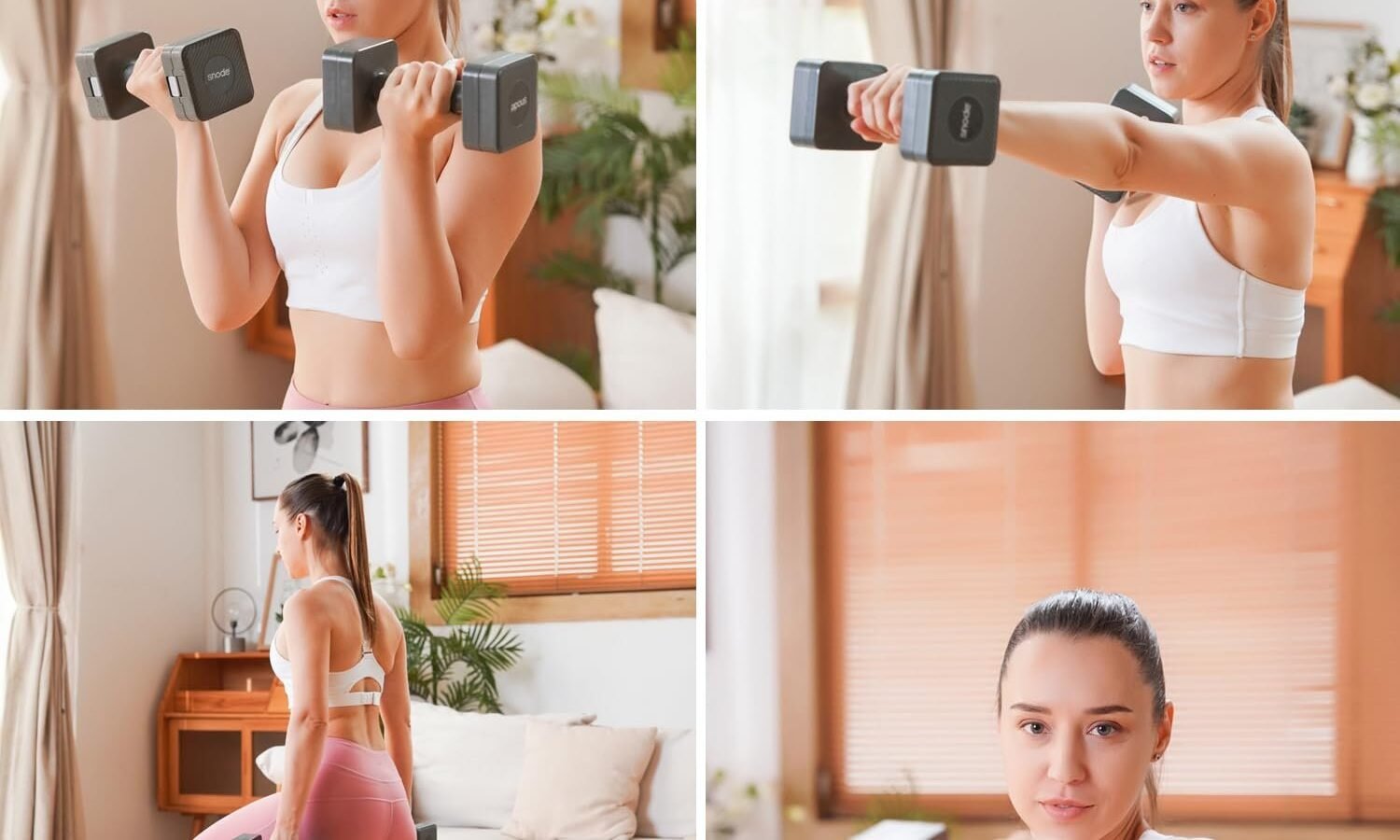
Be brutally honest about your constraints. Work 60-hour weeks? A five-day split is fiction; two full-body sessions is truth. Hate mornings with a passion? Then your routine lives in the evening, and anyone telling you 5 a.m. workouts are superior can keep their opinion. Have kids, a bad knee, a tiny apartment? Then it’s home workouts, low-impact workouts that are easy on joint pain, and dumbbells in the living room. The best routine is the one with the fewest friction points between you and starting.
Kill the commute if it’s a barrier — home workouts have near-zero startup friction, and a $30 set of resistance bands covers most strength needs. If you do join a gym, pick the one you’ll actually visit: the mediocre gym five minutes away beats the amazing one forty minutes away every single time. And build in a ‘bad week’ version of your routine in advance: when life explodes, you drop to one 15-minute walk instead of zero. Planned flexibility is what separates routines that survive from routines that shatter at the first business trip.
Make It Enjoyable Enough (It Doesn’t Have to Be Fun)
Let’s be honest: nobody loves every workout. But you need a routine you dislike minimally, because pure willpower has a short shelf life. The trick is pairing exercise with things you already enjoy — podcasts and audiobooks turned my walks from chores into the highlight of my day. I now look forward to workouts because that’s when I get to hear the next chapter. TV workouts, workout buddies, classes with good music, sports that don’t feel like exercise (hiking, swimming, dancing) — all legitimate strategies.
Variety helps after the habit is established, not before. In months one and two, repetition is your friend: same routine, measurable progress, growing competence. Competence is quietly motivating — the week you do your first real push-up or walk without getting winded, something shifts. Track one or two metrics (sessions completed, weight lifted, distance walked) so progress is visible. And if weight loss is part of your goal, the best time of day to exercise for weight loss and the health benefits of walking 30 minutes a day will help you stack the deck further.
The Quitting Points (and How to Survive Them)
Week three is the first danger zone — novelty fades, soreness is real, results aren’t visible yet. Expect it, and pre-commit to just showing up for ten minutes; you can quit after ten if you want (you rarely will). Month two brings the schedule disruption: travel, illness, holidays. This is what your ‘bad week’ minimum is for — shrink the routine, don’t abandon it. Missing one session is nothing; the research on habit formation shows a single miss has no measurable impact. It’s the second and third misses that kill routines, so your only real rule is: never miss twice.
Plateaus hit around month three or four, when progress slows. That’s physiology, not failure — change one variable (add weight, add a day, try intervals) and progress resumes. Boredom is the final boss: after six months, rotate exercises, try a class, or set a performance goal like a 5K. And be kind to yourself through all of it. The CDC recommends 150 minutes of moderate activity weekly for adults, but their own data shows any movement beats none — you don’t need perfection, you need persistence.
Your Routine in One Paragraph
Pick 2–3 days, 20–30 minutes, walking plus bodyweight strength. Schedule them like appointments. Start embarrassingly easy. Pair workouts with podcasts you love. Shrink — don’t skip — during bad weeks. Never miss twice. Reassess in 90 days, not 9.
That’s it. Not sexy, not extreme, not Instagram-worthy. But it’s the routine you’ll still be doing next year, which makes it better than every perfect plan you ever quit.





3 thoughts on “How Do I Build a Workout Routine I Will Actually Stick To?”