You do not need a PhD to do real science in 2026 — you need a smartphone, a few free hours, and curiosity. Citizen science, the practice of public volunteers contributing to genuine research, has grown from a feel-good sideshow into a serious pillar of the scientific enterprise. Here is the story of the rise of citizen science in 2026, the projects producing publishable results, and how you can join in.
From Hobby to Peer Review
The turning point for citizen science was credibility, and 2026 is the year it fully arrived. Volunteer-collected datasets now appear routinely in peer-reviewed journals — not as curiosities but as primary data. Bird-population surveys with millions of observations, water-quality measurements from thousands of streams, and astronomical transient detections by amateur observers have all cleared the bar that matters: skeptical reviewers accepting the methods.
What convinced the skeptics was quality control. Modern citizen-science platforms build validation into the workflow: photo verification by experts or AI, redundant observations that let statistics filter errors, standardized protocols with training modules, and calibration against professional instruments. The National Science Foundation’s public-participation research has documented which designs produce reliable data — and project leaders now follow those blueprints.
The scale advantage is unbeatable. No research grant can fund ten thousand field assistants, but a well-designed app can recruit them. For questions requiring massive geographic coverage or long time series — exactly the questions climate change and biodiversity loss pose — citizen science is not just nice to have; it is the only feasible method.
The Projects Making Headlines
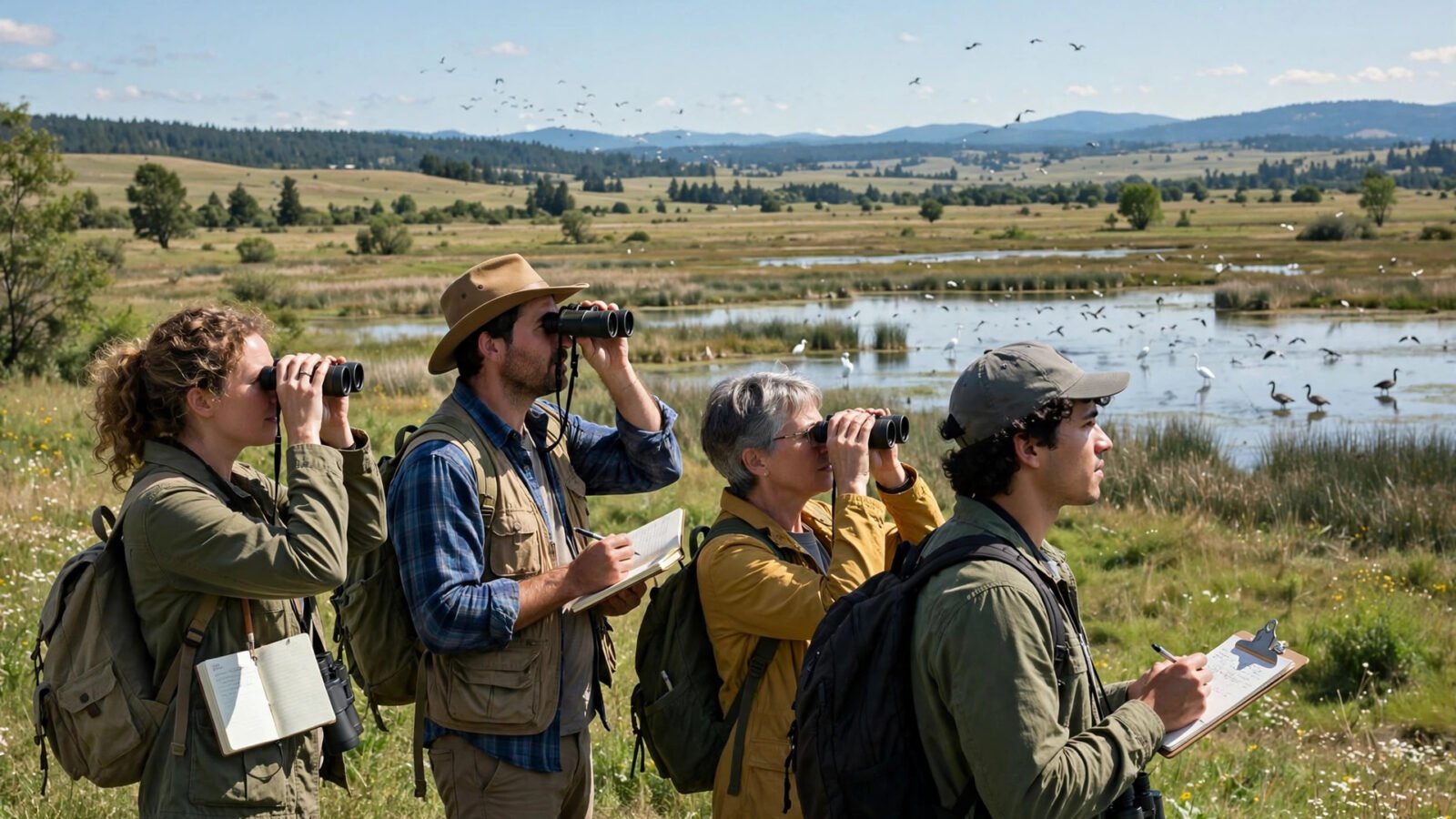
Ecology dominates the 2026 citizen-science landscape. Continental bird counts, pollinator monitoring networks, and invasive-species tracking apps generate datasets that professional researchers mine for trends. The findings are substantive: range shifts documenting climate response in real time, early detection of invasive pests that saved agricultural regions millions, and long-term population data no lab could replicate.
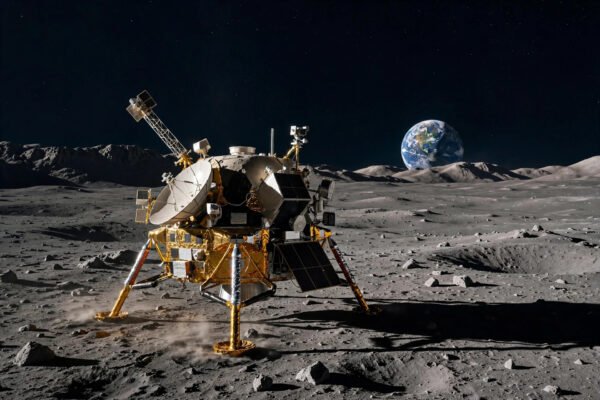
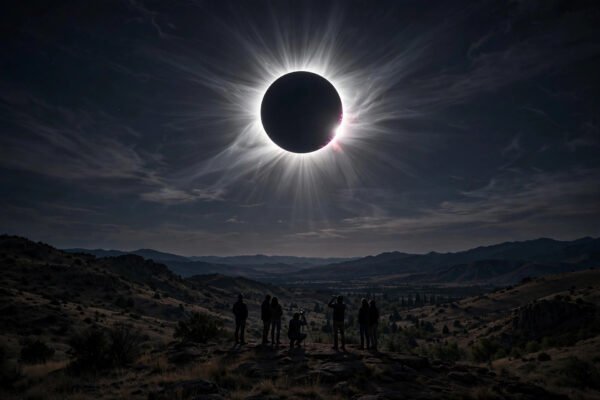
Astronomy remains the romantic flagship — volunteers classifying galaxies, hunting exoplanet transits in telescope data, and reporting fireballs that lead to meteorite recoveries. And public-health citizen science grew fast in 2026: symptom-tracking networks, mosquito-surveillance apps, and air-quality sensor networks that gave neighborhoods data their governments were not collecting.
Agriculture offers a compelling on-ramp for the practically minded — our coverage of how AI is helping farmers grow food more efficiently shows the professional side of the same data revolution, where field observations meet machine learning.
The Technology That Made It Possible
Three technologies converged to power the 2026 boom. Smartphones became scientific instruments — with cameras, GPS, microphones, and sensors that rival lab equipment from a decade ago. AI validation now checks submissions in real time, flagging misidentifications and coaching volunteers toward better data. And cloud platforms handle the storage and analysis of datasets with hundreds of millions of records.
The design philosophy matured too. The best 2026 projects are built around the volunteer’s experience, not just the researcher’s needs: gamified progression, meaningful feedback (“your observation contributed to this paper”), and community features that turn solitary data collection into social activity. Retention — the historic weakness of volunteer projects — improved dramatically where projects invested in it.
Science You Can Do Outdoors
Many top citizen-science projects double as excellent reasons to get outside. Bioblitzes — intensive biodiversity surveys of a park or neighborhood — run nationwide through the spring and summer. Dark-sky monitoring needs volunteers in rural areas. And trail-based observation projects pair naturally with hiking: your next national-park trip could contribute real data. Our guide to the most underrated US national parks lists destinations where the scenery is spectacular and the biodiversity is under-surveyed — ideal citizen-science territory.
NASA’s citizen-science programs remain the gold standard for space-curious volunteers, with projects ranging from cloud classification to exoplanet hunting that genuinely advance missions.
The Funding Follows the Data
Recognition is translating into resources. In 2026, major research funders explicitly earmarked grants for public-participation components, and several large studies were designed from the start around volunteer data collection. Philanthropic foundations, always hungry for public engagement metrics, discovered that citizen science delivers both research output and community involvement — the rare double win.
The professionalization extends to careers. “Citizen science coordinator” and “public participation researcher” are now legitimate job titles at universities, agencies, and nonprofits, with dedicated training programs and a growing professional society. The volunteers remain the heart of it, but the scaffolding around them — the platform engineers, data validators, community managers — has become real employment.
Challenges remain, honestly acknowledged by the field’s leaders. Volunteer demographics still skew older, whiter, and more affluent than the general population, which biases what gets observed and where. Leading projects are investing in outreach to underrepresented communities — multilingual platforms, partnerships with community organizations, projects designed around urban environments rather than wilderness. Science done by everyone, for everyone, is the goal; 2026 showed the field taking the gap seriously.
Why It Matters Beyond the Data
The deepest impact of citizen science may not be the datasets but the people. Participants develop scientific literacy that no classroom quite delivers — an intuitive grasp of variation, uncertainty, and evidence. Communities that monitor their own air and water become formidable advocates. And the demographic broadening of who “does science” chips away at the field’s historic exclusivity.
In 2026, citizen science proved it belongs in the scientific mainstream — not as outreach, not as education, but as research. The lab coat is optional. The curiosity is not.
The invitation is open and the barrier is low: download one app, join one count, submit one observation. Your data joins millions of others in answering questions no single lab could tackle — and along the way, you will start seeing the world the way scientists do: as a place full of patterns waiting to be noticed. That shift in seeing might be citizen science’s greatest discovery of all.
Frequently Asked Questions
Do I need a science background for citizen science?
No. Most projects are designed for beginners, with training built into the app or website. Start with projects matching your interests — birding, astronomy, water monitoring — and the protocols will teach you what you need. Enthusiasm and consistency matter more than credentials.
Does citizen-science data actually get used in research?
Yes — increasingly in peer-reviewed studies. Modern projects use validation protocols (photo verification, redundant observations, expert review) that satisfy scientific standards. Volunteer datasets now underpin published findings in ecology, astronomy, and public health.
How much time does citizen science take?
Many projects need only minutes per observation — snapping a photo of a plant or reporting a bird sighting. Structured surveys might ask for an hour weekly during a season. Choose a commitment level that fits your life; even casual participation contributes.
What is the best citizen-science project for beginners?
Start broad: general biodiversity apps that let you photograph anything and get identifications are the friendliest on-ramp. From there, follow your curiosity — the birders, astronomers, and water monitors all welcome newcomers, and NASA’s programs are excellent for the space-inclined.
Can kids participate in citizen science?
Absolutely — many projects are designed for families and classrooms, with simplified protocols and educational materials. It is one of the best hands-on science experiences available: kids learn observation, data recording, and patience while contributing to real research. Schoolyard biodiversity surveys and backyard bird counts are ideal starting points.
Teachers take note: several 2026 curricula now integrate citizen-science projects directly into science standards, giving students authentic research experience without special equipment. A classroom participating in a continental bird count is doing the same protocol as university researchers — that authenticity is something textbooks cannot replicate.