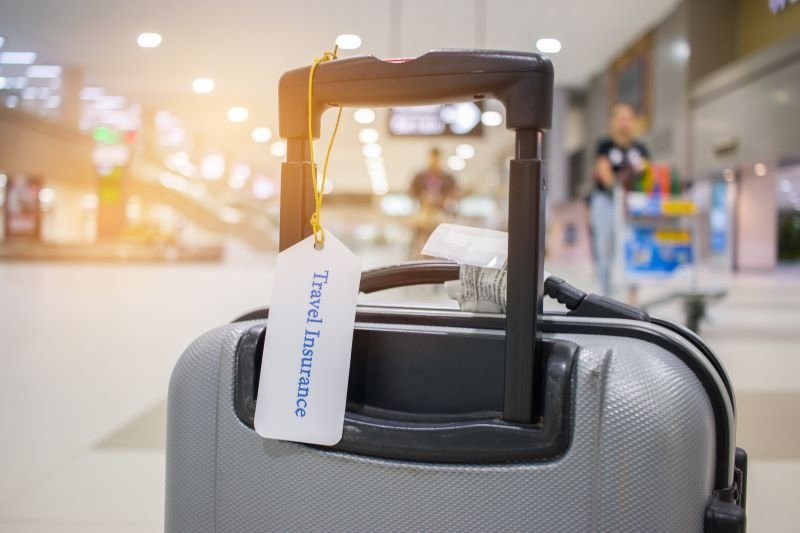
Travel insurance is the thing everyone skips until the $40,000 medical evacuation bill arrives. Then it’s the thing everyone wishes they’d bought. The best travel insurance for international trips isn’t a single company — it’s the right type of coverage for your specific trip, bought at the right time, with the fine print actually read. Here’s how to get it right without overpaying.
First, the honest math: for most international trips, good insurance costs 4–8% of the trip cost. A $5,000 trip means $200–400 for coverage. One cancelled trip, one emergency room visit abroad, or one medical evacuation (which routinely costs $25,000–100,000+) makes that the best money you ever spent.
What Is the Best Travel Insurance for International Trips? The Coverage That Matters
Emergency medical: the non-negotiable. Your US health insurance often covers little or nothing abroad (Medicare covers essentially zero outside the US). You want at least $100,000 in emergency medical coverage — $250,000+ for remote destinations or adventure travel. This is the coverage that prevents financial ruin; everything else is convenience.
Medical evacuation: the other non-negotiable. If you’re seriously hurt somewhere remote, evacuation to a proper hospital (or home) costs tens of thousands. Get $250,000+ in evacuation coverage. It’s cheap within a policy and catastrophically expensive without one.
Trip cancellation/interruption: the “it depends.” Worth it if you’ve prepaid thousands in non-refundable costs. Skip it (or buy minimal) for flexible, cheap trips. “Cancel for any reason” (CFAR) upgrades cost 40–50% more and typically reimburse only 50–75% — worth it only if your plans are genuinely uncertain.
Baggage and delay: nice to have. $1,000–2,500 baggage coverage and $150–200/day trip delay coverage smooth out the common mishaps. Check what your credit card already covers first — many premium cards include these, and doubling up is wasted money.
When to Buy (Timing Is Everything)
Buy within 14–21 days of your first trip payment. This is the golden window that gives you access to the best benefits: pre-existing condition waivers (critical if anyone has health issues — without the waiver, related claims are denied), CFAR eligibility, and full cancellation coverage from day one. Buy later and you can still get coverage, but the pre-existing condition waiver — often the most valuable part — disappears.
Cover the full prepaid cost. Insure the total non-refundable trip cost, not a guess. Under-insuring can reduce your payout proportionally; over-insuring wastes premium. Update the coverage if you add expensive bookings later.
Comparing Providers Without Losing Your Mind
The reputable names: Allianz, World Nomads (great for adventure activities and long trips), Travel Guard, John Hancock, and IMG. Rather than picking by brand, compare on aggregators like Squaremouth or InsureMyTrip — filter by your must-haves (medical limits, adventure sports coverage, pre-existing waiver) and compare the top 3 on price and reviews.
Read these fine print items: adventure activity exclusions (scuba, skiing, and motorbikes are often excluded or need riders — World Nomads covers more by default), pre-existing condition definitions and waiver windows, alcohol exclusions (many policies void coverage for alcohol-related incidents — read this one carefully), and pandemic/epidemic coverage terms (post-2020 policies vary widely).
Credit card coverage: know what you have. Cards like Chase Sapphire Preferred/Reserve and Amex Platinum include solid trip cancellation, delay, and baggage coverage — but almost never sufficient emergency medical or evacuation. The smart play: credit card for cancellation/delay + standalone policy for medical/evacuation, or one comprehensive policy if your card’s coverage is thin. Don’t pay for what you already have.
Special Cases
Adventure travel: standard policies exclude the fun stuff. If you’re diving, skiing off-piste, or motorbiking, get a policy that explicitly covers your activities — World Nomads and IMG Patriot are strong here.
Long-term/slow travel: annual multi-trip plans (covering all trips in a year) are cheaper than per-trip policies if you travel 3+ times. For 6+ month trips, look at long-stay specialists.
Pre-existing conditions: buy within the waiver window (14–21 days of first payment) and you can cover them. Miss the window and related claims get denied — the most common nasty surprise in travel insurance.
Cruises and tours: insure the full cost including the cruise fare — medical facilities at sea are limited and evacuations from ships are among the most expensive. The the State Department’s guidance on travel insurance has country-specific health guidance worth checking alongside your policy.
Insurance pairs with preparation: it covers the financial hit, but avoiding the crisis is better. That means the same diligence you’d apply to avoid getting sick while traveling abroad (vaccinations, food/water caution, meds packed) and having a plan if lose my passport while abroad — because insurance reimburses the costs, but you still have to handle the moment.
Travel Insurance Myths, Busted
“My health insurance covers me abroad.” Maybe, partially, sometimes — and Medicare covers essentially nothing outside the US. Call your insurer and ask specifically: emergency care abroad, medical evacuation, repatriation. Get the answer in writing. Most people discover the gaps at the worst possible moment.
“It’s too expensive.” 4–8% of trip cost. On a $3,000 trip, that’s $120–240 — less than one nice dinner out. The people who skip it aren’t saving money; they’re self-insuring against six-figure risks, which is a terrible bet.
“Nothing will happen to me.” The most common claims aren’t dramatic — they’re trip delays, lost baggage, and minor medical issues (food poisoning, sprained ankles). Insurance earns its keep on the boring stuff constantly.
“I’ll buy it later.” Later costs you the pre-existing condition waiver and CFAR eligibility. The 14–21 day window from first payment is the whole game — miss it and you’ve bought a worse product.
“The airline will take care of me.” Airlines owe you rebooking and (sometimes) meals/hotels. They do not owe you medical care, evacuation, or reimbursement for the prepaid tour you missed. Different problems, different coverage.
The Practical Takeaway
Within two weeks of booking your trip: compare 3 policies on an aggregator, prioritizing $100k+ medical, $250k+ evacuation, and the pre-existing waiver. Check your credit card’s existing coverage first so you don’t double-pay. Read the adventure and alcohol exclusions. Then forget about it and travel — the whole point of insurance is the peace of mind to actually enjoy the trip, whether you’re beach-bound in best time of year to visit Florida for good weather season or anywhere else on the map.