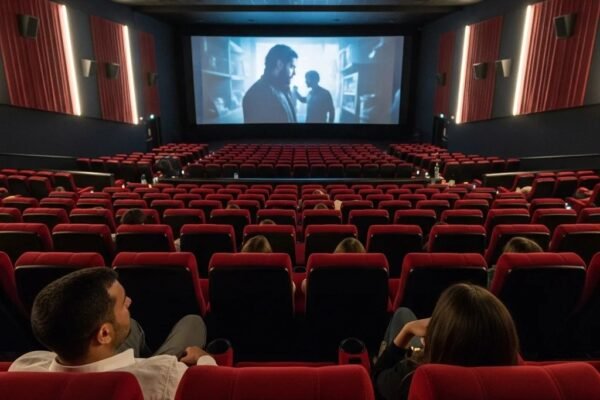
A great movie night looks effortless, but the effortless ones are planned. The difference between “we watched something” and “that was a great night” comes down to a handful of decisions made in advance. Here’s the best way to organize a movie night at home — the full checklist, from picking the film to the seating chart nobody admits they care about.
How to Organize a Movie Night at Home: The Checklist
Step 1: Pick the movie before anyone arrives
The number-one movie night killer is the 45-minute scroll. Solve it in advance:
- The host picks, with veto power. Democracy sounds nice but produces paralysis. Host chooses 2–3 options, group vetoes, host decides. Fast and fair.
- Match the movie to the crowd. Mixed ages? Go with our rainy weekend crowd-pleasers. Adults only? Pick something with actual stakes.
- Check runtime and start time. A 2.5-hour film starting at 9 PM ends at 11:30 — fine for some crowds, a disaster for parents with babysitters. Work backward from when people need to leave.
- Confirm streaming availability the day before. Licenses rotate; the film you “know” is on Netflix may have left last Tuesday.
Step 2: Set Up the Room
Picture
- Kill the light. Close blinds, dim lamps. Even a great TV looks mediocre in a bright room; even a decent TV looks cinematic in the dark.
- Clean the screen. A microfiber wipe takes 30 seconds and you’d be amazed at the difference.
- Check the picture mode. Turn off motion smoothing (the “soap opera effect”) — it’s in your TV’s picture settings and it ruins films. Filmmaker Mode, if your TV has it, is the one-button fix. For model-specific optimal settings, RTINGS’ TV calibration guides are the most thorough free resource.
Sound
Sound matters more than picture for immersion, and it’s where most setups fall short. A basic $150–$200 soundbar transforms the experience more than any TV upgrade. At minimum: turn on any “night mode” or dialogue-enhancement setting so quiet dialogue is audible without action scenes shaking the walls. Test with an actual dialogue scene before guests arrive, not during.
Seating
Everyone needs a real seat with a sightline — no craning from the kitchen. Arrange in a shallow arc facing the screen. Pillows and blankets aren’t decoration; they’re the difference between comfort and fidgeting. The host takes the worst seat. That’s the rule.
Step 3: Plan the Food
Movie night food should be quiet, low-mess, and eatable in the dark:
- Popcorn is mandatory. Make it well — real butter, real salt, maybe a seasoning shaker or two. Stovetop popcorn beats microwave bags noticeably.
- Candy and chocolate in bowls for passing. The theater experience, at home prices.
- One substantial snack if it’s a dinner-replacement night: sliders, quesadillas, or a game-night-style spread works.
- Drinks with lids. Open cups + dark room + blankets = disaster. Cans, bottles, or lidded cups only.
- Serve before the film starts. Kitchen trips during the movie break immersion. Get everything out during the pre-show.
Step 4: Run the Night
- Start with a hard start time. “Movie starts at 8” with arrivals at 7:30 for food and settling. Without a stated start time, you’ll begin at 8:45 with half the group still arriving.
- Phones away. Not a lecture — just model it. The host’s phone glowing is permission for everyone’s.
- One intermission for long films. Pause at a natural break around the 90-minute mark. Bathrooms, refills, stretching — planned beats the scattered pause-every-20-minutes.
- No talking over dialogue. Establish it lightly upfront: “let’s save the commentary for after.” The worst movie nights are the ones where three people narrate.
Themed Nights (When You Want to Level Up)
- Director marathons: three films, one filmmaker, chronological order.
- Bad movie night: deliberately terrible films with running commentary encouraged — the one night talking is mandatory.
- Cuisine pairing: match dinner to the film’s setting. Tacos for Coco, pasta for The Godfather.
- Outdoor screening: a projector and a sheet in the backyard. Our outdoor venue enthusiasm applies to backyards too.
Movie Night for Different Crowds
The formula adapts. Here is how to tune it:
Kids’ movie night
Earlier start (6:30-7 PM), shorter film (under 2 hours), intermission encouraged rather than discouraged, and the snack situation is the main event – a popcorn bar with toppings beats any film choice for kid excitement. Let them build blanket forts; the fort is half the fun. End by 9 PM or you will pay for it tomorrow. Our family binge guide has the film picks.
Date night
Smaller scale, higher quality: one great film, real food (cook together before, or order the good takeout), phones genuinely away, and no pausing unless it matters. The film is the excuse; the attention is the point. Pick something you will both talk about after – the conversation is the real date.
The big group (8+)
Democracy fails at scale – the host picks, full stop, announced in the invitation so dissenters can opt out early. Comedy or action plays best to crowds; subtle dramas die in group settings (too much whispering, too many bathroom breaks). More snacks, simpler setup, and accept that it will be social first, cinematic second – and that is fine.
Solo movie night
Underrated and excellent: your film, your snacks, your pauses, your volume. No compromises, no scheduling. Treat it with the same ceremony – good food, dark room, phone away – and it becomes a genuine ritual rather than just watching TV. Everyone should have a solo movie night monthly.
The outdoor edition
Projector, white sheet or inflatable screen, blankets, bug spray, and a Bluetooth speaker. Start at dusk, not before – the picture needs darkness. Have a rain plan (move inside, no drama). Outdoor movie night is the highest-effort, highest-reward variant; do it twice a summer and it becomes legend.
The Takeaway
Pick the film in advance, darken the room, fix the sound, feed people before pressing play, and start on time. That’s the best way to organize a movie night at home — five decisions that turn “watching something” into an event people actually look forward to. Do it monthly and it becomes a tradition, which is the real prize.