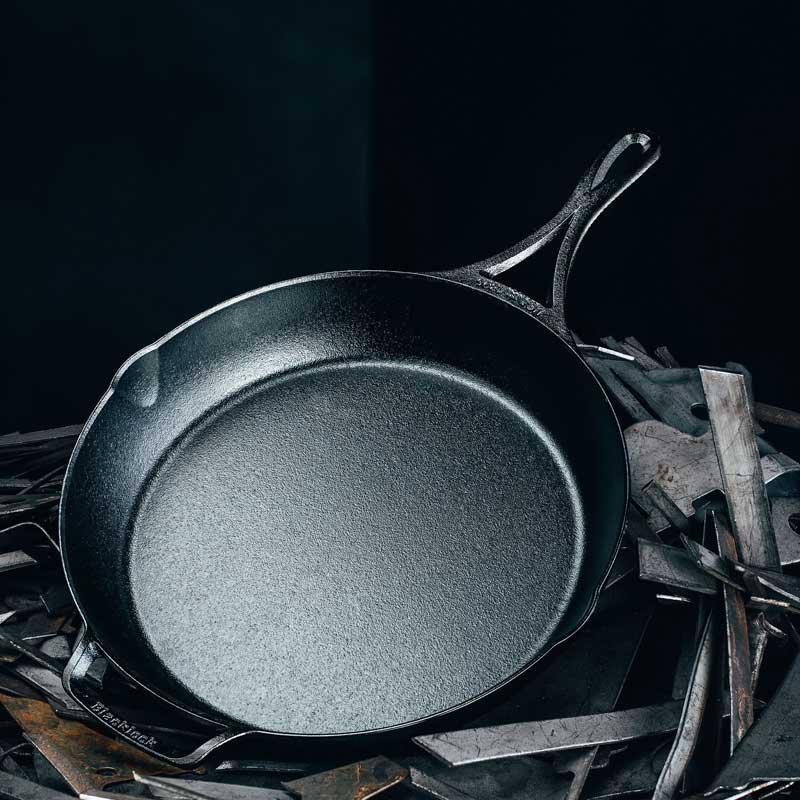
A well-seasoned cast iron skillet is the closest thing to a family heirloom you can buy for thirty dollars. Eggs slide, steaks crust, cornbread releases clean — but only if the seasoning is right. The internet is full of strong opinions on the best way to season a cast iron skillet, so let me cut through the noise with the method that actually works, plus the maintenance habits that keep it working for decades.
First, what “seasoning” even is: not a coating you apply, but a chemical transformation. Oil heated past its smoke point polymerizes — it bonds to the iron in hard, plastic-like layers. You’re not oiling the pan; you’re building a surface, one thin layer at a time.
The Best Way to Season a Cast Iron Skillet: Step by Step
What you’ll need
- Your skillet (new, stripped, or just dull-looking)
- A neutral oil with a high smoke point — refined canola, grapeseed, or vegetable shortening
- Paper towels or an old cotton rag
- An oven and about two hours
The process
- Scrub it clean. Wash with hot water and a stiff brush. For a new pan, wash off the factory wax coating with hot soapy water — yes, soap is fine here, once. Dry completely: heat it on the stove for a few minutes to evaporate every trace of moisture. Water is seasoning’s enemy.
- Apply oil — then wipe almost all of it off. This is the step everyone gets wrong. Rub a thin layer of oil over the entire pan: inside, outside, handle. Then take a clean cloth and wipe it all off like you made a mistake. The pan should look dry, with no pooling or drips. Too much oil is the number-one cause of sticky, splotchy seasoning.
- Bake upside down at 450–500°F for one hour. Place the pan upside down on the middle rack (foil on the rack below catches drips). The high heat pushes the oil past its smoke point so it polymerizes instead of just sitting there greasy.
- Cool in the oven. Turn off the heat and let the pan cool completely inside — about an hour. Don’t rush it.
- Repeat 2–3 times. Each cycle adds a layer. Three thin coats beat one thick coat every time. You’ll notice the pan getting darker and smoother with each round.
Which Oil Is Best for Seasoning?
Honestly, the oil matters less than the technique — thin coats and proper heat. That said: refined canola and grapeseed are cheap, neutral, and reliable. Vegetable shortening (like Crisco) is the old-school favorite and works great. Flaxseed oil gets hyped online for its hard finish, but it’s expensive, smelly, and prone to flaking in real-world use — I’d skip it. Olive oil’s smoke point is too low for the oven method. Lodge, the biggest US cast iron maker, seasons their pans with vegetable oil at the factory, and their official cast iron care guide is worth reading for maintenance basics.
Daily Maintenance: How Seasoning Actually Gets Great
Here’s what the tutorials often skip: oven seasoning just gives you a head start. Real seasoning builds through cooking. Every time you sear, sauté, or bake with fat, you’re adding micro-layers. The pans with legendary nonstick surfaces got that way from years of use, not from a weekend seasoning marathon.
- Cook fatty foods early on. Bacon, roasted chicken thighs, cornbread, grilled cheese — all deposit seasoning. This is the fastest path to a great surface. It is also the ideal pan for reheating pizza so the crust stays crispy — direct heat crisps the base while a lid traps steam to melt the cheese.
- Clean while warm. Hot water, a stiff brush or chain-mail scrubber, and stubborn bits come right off. Dry immediately on heat.
- Soap is fine now. Modern dish soap doesn’t contain the lye that stripped seasoning a century ago. A little soap on a well-seasoned pan is harmless — just don’t soak it.
- Oil lightly after drying. While the pan is still warm, wipe in a whisper-thin layer of oil. This prevents rust between uses.
- Store dry. A paper towel between stacked pans prevents scratching and absorbs moisture.
What About Rust?
Surface rust looks scary but it’s fixable. Scrub it off with steel wool or a vinegar soak (equal parts water and white vinegar, 1–2 hours max), wash, dry thoroughly, and run through the seasoning process again. Deep pitting is permanent, but light rust is just a detour. Prevention beats repair: dry on heat, light oil, dry storage.
Cooking Tips for a Newly Seasoned Pan
Go easy for the first month. Avoid long-simmered tomato sauces and other highly acidic foods until the seasoning is well established — acid dissolves young seasoning. Preheat the pan gradually (cast iron hates thermal shock), use enough fat, and don’t try the egg-slide test on day one. Cook a few batches of salmon with crispy skin or roasted vegetables first; the pan will reward you.
Restoring Cast Iron (Bringing Dead Pans Back)
Found a rusty skillet at a flea market? Inherited a neglected one? Almost every pan is salvageable:
Assessing the damage
Surface rust: orange dust that wipes off – easy fix. Deep rust: pitting and flaking – harder but usually still fixable. Cracks or warping: the only true death sentences. A pan that sits flat and has no cracks is worth restoring regardless of how bad the rust looks. The iron underneath is virtually indestructible.
The restoration process
For light rust: scrub with steel wool and hot water until the orange is gone, dry immediately on heat, then run the full seasoning process (3 coats). For heavy rust: soak in a 50/50 white vinegar and water bath for 1-2 hours (no longer – vinegar eats iron too), scrub clean, rinse, dry on heat instantly (bare iron flash-rusts in minutes), and season immediately. For the truly crusty: oven cleaner (lye-based) in a sealed bag for 24-48 hours strips everything to bare metal – wear gloves, work ventilated, then wash thoroughly and season from scratch.
The flea market guide
Vintage cast iron (Griswold, Wagner) is lighter, smoother, and often cheaper than new premium pans – $20-40 at flea markets for pieces that sell for $100+ online. Look for: smooth cooking surface (vintage pans were machined smooth), no cracks (tap it – a cracked pan rings dull), flat bottom (spin test on a flat surface). A $25 vintage skillet, restored in an afternoon, will out-cook most $100 new pans. It is the best value in all of cookware.
The Takeaway
Thin coats of neutral oil, baked hot upside down, repeated three times — that’s the whole method. Then cook in it constantly, clean it simply, and keep it dry. Do that and your thirty-dollar skillet will outlive your nonstick pans by decades and cook better every single year. My grandmother’s pan is older than I am and still going; there’s no reason yours can’t do the same.


One thought on “How to Season a Cast Iron Skillet the Right Way”