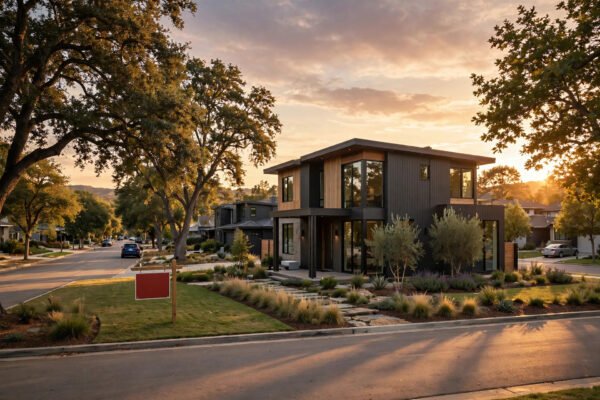
The hottest housing trend of 2026 isn’t a paint color or a smart gadget — it’s a second front door. Accessory Dwelling Units (ADUs) — the backyard cottages, garage apartments, and basement suites also known as granny flats, in-law suites, and casitas — have exploded from zoning-board obscurity into America’s most dynamic housing story. California alone has permitted hundreds of thousands; states from Oregon to Vermont have overridden local bans; and builders now sell prefab ADUs like cars. In a country short millions of homes, the ADU is the rare solution everyone from YIMBYs to fiscal conservatives can love: gentle density, no new land, homeowner wealth-building. Here’s why ADUs are the hottest housing trend in 2026 — and what to know before you build one.
What exactly is an ADU (and why now)
An ADU is a complete secondary home on the same lot as a primary residence — with its own kitchen, bathroom, and entrance. The three flavors: detached (a standalone backyard cottage — the classic), attached (an addition sharing a wall), and interior conversions (garage or basement apartments). Sizes typically run 400–1,200 square feet — small by American standards, but complete homes.
The “why now” is a policy revolution. For decades, single-family zoning in most American cities effectively banned ADUs. Starting with Oregon (2019) and California (laws from 2020 onward), states began preempting local restrictions — and the results were dramatic. California’s ADU permits went from a few thousand annually to tens of thousands. Dozens of states and cities have since followed: streamlined approvals, eliminated owner-occupancy requirements, waived parking mandates, capped fees. In 2026, the question in most markets isn’t whether you can build an ADU but how fast. HUD’s policy research tracks how these reforms are performing.
Why homeowners are obsessed: the economics
The rental income math
A detached ADU renting for $1,200–$2,500/month (market-dependent) against a build cost of $150,000–$350,000 pencils out compellingly in high-cost markets — gross yields that beat most investments, on land you already own. Even in cheaper markets, the math works when construction costs stay controlled. The income can offset the primary mortgage, fund retirement, or simply provide security. In an era of stretched affordability, the ADU turns a homeowner’s biggest expense into an income-producing asset.
Property value and flexibility
Appraisers increasingly recognize ADU value — completed units typically add meaningful appraised value, sometimes approaching their construction cost in hot markets. But the non-financial returns matter as much: housing for aging parents (the original “granny flat” use case, and a profound one as America ages), space for adult children priced out of rentals, a home office that actually separates work from life, or a guest suite that ends the air-mattress era. The ADU is housing flexibility in physical form.
The affordability angle
Zoom out and ADUs are quietly one of America’s most effective affordable-housing programs — built without government spending. They add naturally affordable rentals (small units rent for less, by definition) in high-opportunity neighborhoods, near jobs and transit, without the neighborhood opposition big apartment buildings trigger. Economists across the spectrum praise ADUs precisely because they thread this needle: real supply, real affordability, minimal disruption.
The 2026 ADU playbook: from idea to income
Step 1: Feasibility — rules, lot, and budget
Start with your city’s current ADU ordinance (they change fast — verify this year’s rules, not last year’s blog posts): size limits, setbacks, height limits, and utility connection requirements. Assess your lot: detached ADUs need buildable backyard space with access for construction; garage conversions need structurally sound shells. Then the honest budget: all-in costs (design, permits, construction, utility hookups, furnishings) with a 15–20% contingency. Get three builder quotes minimum — ADU-specialist firms now operate in most major markets and their experience shows in pricing accuracy.
Step 2: Design and permits
Many cities now offer pre-approved ADU plans — free or cheap designs that sail through permitting in weeks instead of months. Prefab and modular ADUs (built in factories, craned into place) compress timelines dramatically, sometimes going from permit to occupancy in 4–6 months. For custom builds, hire ADU-experienced designers; small-space design is its own discipline. Before any structural work, understand basics like knowing if a wall is load-bearing — garage conversions live or die on structural realities.
Step 3: Financing
ADU financing matured in 2026: renovation loans (Fannie Mae HomeStyle, FHA 203(k)) that fund construction based on post-ADU appraised value, HELOCs for the equity-rich, and emerging ADU-specific loan products from credit unions and CDFIs. Some jurisdictions offer grants or forgivable loans for ADUs rented affordably. Run the numbers conservatively — construction overruns are the norm, not the exception — and ensure the debt service works even at 80% of projected rent.
Step 4: Build, furnish, and rent (or house family)
Construction management is the make-or-break phase: visit the site weekly, document everything, and hold final payment until punch-list completion. Furnish small spaces smartly — multifunctional furniture and vertical storage make 600 square feet live large (see cheap ways to add storage to small homes). For rentals: screen tenants rigorously, know your state’s landlord-tenant law cold, consider medium-term (30+ day) furnished rentals for premium yields in the right markets, and price from real comps — not optimism.
Pitfalls that catch first-time ADU builders
Underestimating soft costs: permits, utility hookups (sewer/water/electrical can run tens of thousands), and design fees surprise newcomers — budget them explicitly. Neighbor relations: even where ADUs are legal by right, blindsiding neighbors breeds conflict; early, friendly communication prevents most disputes. Overbuilding for the neighborhood: a $300,000 ADU in a market supporting $1,000 rents is a lifestyle purchase, not an investment — know which you’re making. DIY overreach: ADUs involve permitted electrical, plumbing, and structural work; the inspection regime exists for good reason. Ignoring the exit: consider how the ADU affects resale — in most 2026 markets it helps, but verify with local agents. The CFPB’s Ask CFPB offers guidance on financing home improvements wisely.
Conclusion
ADUs are the hottest housing trend of 2026 because they solve real problems for real people: income for homeowners, housing for renters and family, supply for cities — all without bulldozing neighborhoods. The policy winds are at your back, the builder ecosystem has matured, and the economics work in most markets. But an ADU is still a construction project and a business decision: verify this year’s rules, budget honestly, finance carefully, and build for your actual goals. Done right, that second front door becomes one of the smartest investments a homeowner can make — and a small but genuine contribution to America’s housing solution.
Frequently Asked Questions
What is an ADU?
An Accessory Dwelling Unit — a complete secondary home (kitchen, bath, entrance) on the same lot as a primary residence. Types include detached backyard cottages, attached additions, and garage/basement conversions, typically 400–1,200 sq ft.
How much does it cost to build an ADU in 2026?
Typically $150,000–$350,000 all-in for detached units (less for garage conversions), varying hugely by market, size, and finishes. Prefab options can reduce costs and timelines. Always budget a 15–20% contingency.
Are ADUs legal in my area?
Likely yes — dozens of states and hundreds of cities have legalized and streamlined ADUs since 2020. Check your city’s current ADU ordinance (rules change frequently) for size limits, setbacks, and permit processes.
Do ADUs increase property value?
Generally yes — appraisers increasingly credit ADU value, and in high-cost markets the added value can approach construction cost. Rental income potential also boosts value for investor-buyers.
Can I Airbnb my ADU?
Depends entirely on local rules — many jurisdictions that encourage ADUs restrict or ban short-term rentals in them to preserve long-term housing supply. Check short-term rental ordinances separately from ADU rules.