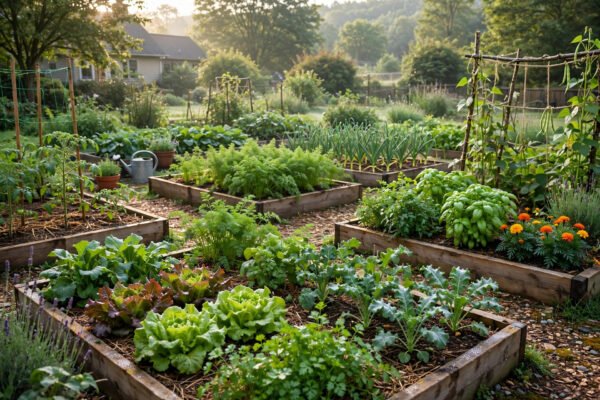
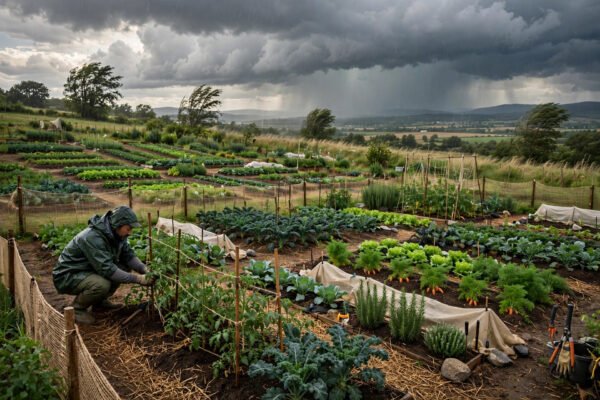
The fastest-growing mental health practice in America might be the oldest one: putting your hands in dirt. Gardening’s pandemic-era boom never really ended — it evolved. What began as sourdough-adjacent hobbyism matured into something researchers, therapists, and public-health experts take seriously: gardening as a legitimate, evidence-backed mental health practice, prescribed by doctors and studied in clinical trials.
Why does growing things help minds? The science is richer than you’d expect, and the practice is more accessible than ever. Here’s the full picture.
The evidence: what research actually shows
The research base is now substantial. Meta-analyses of gardening and health find consistent associations with reduced symptoms of depression and anxiety, improved life satisfaction, and better stress recovery. Randomized trials — including studies where participants were assigned to gardening versus waitlist or other activities — show measurable reductions in cortisol, the stress hormone, and improvements in mood scores.
The mechanisms researchers propose are multiple and compounding. Attention restoration: natural environments engage “soft fascination” — the mind rests while gently engaged, recovering from directed-attention fatigue. Physical activity: gardening is moderate exercise disguised as pleasure, and exercise is among the best-supported interventions for mood. Mastery and meaning: nurturing living things provides visible progress and purpose — potent antidotes to the helplessness at the core of depression. Sensory grounding: soil texture, scents, and sunlight engage the senses in ways that interrupt rumination.
The National Institutes of Health’s indexed research includes a growing body of horticultural-therapy studies, and the American Psychological Association has covered gardening’s mental-health benefits as part of the broader nature-and-wellbeing literature. This isn’t folk wisdom anymore — it’s peer-reviewed.
From hobby to prescription: the therapeutic turn
The most striking development is institutional: doctors prescribing nature. “Green prescriptions” — formal referrals to gardening programs, community gardens, and nature activities — have moved from pilot programs to policy in several countries, with US health systems experimenting too. Horticultural therapy is a credentialed profession, with certified therapists working in hospitals, veterans’ programs, prisons, and senior care.
The populations studied tell the story: gardening interventions show benefits for veterans with PTSD, seniors with depression, incarcerated people, at-risk youth, and stressed office workers alike. The common thread isn’t the population — it’s the practice. Growing things meets a human need that transcends diagnosis.
Why it works psychologically
Beyond the clinical mechanisms, gardening resolves several modern miseries at once. It slows time. Plants grow at plant speed; the gardener learns patience or learns frustration, and most learn patience. It externalizes care. Depression turns attention inward destructively; a garden demands outward attention — the tomatoes need water regardless of your mood, and meeting that need builds the self-efficacy depression erodes. It connects. Community gardens are among the most effective low-barrier social infrastructures in cities, mixing ages, incomes, and backgrounds over shared plots.
It grounds digitally exhausted minds. For knowledge workers whose entire existence is abstract — emails about meetings about decks — the concrete reality of soil and seedlings is almost medicinal. The garden doesn’t care about your inbox. That indifference is the therapy.
Getting started: the low-barrier path
The barrier to entry is nearly zero, which is part of the practice’s power. A windowsill herb pot counts. A single raised bed counts. The research doesn’t require acres — studies show benefits from even brief, small-scale gardening. Start with the forgiving: herbs, lettuce, cherry tomatoes, marigolds. Fail cheerfully; every gardener kills plants, and the resilience lesson is part of the medicine.
Practical starting points: building a simple raised garden bed for vegetables is the classic first project — manageable, productive, and deeply satisfying. Apartment dwellers can start with low-maintenance houseplants for beginners, which deliver much of the psychological benefit with none of the yard requirements. Cooperative Extension services (every state has one) offer free, region-specific gardening guidance — University of Minnesota Extension’s yard and garden resources are a model of what’s available.
Community gardens: the social prescription
One of gardening’s most powerful mental-health effects isn’t the plants — it’s the people. Community gardens consistently show outsized wellbeing benefits in research, and the reason is obvious once you see one: they’re among the last genuinely mixed social spaces in American life. Retirees and young families, immigrants and natives, beginners and master gardeners — united by tomatoes.
The social mechanism matters because loneliness is itself a health crisis, and community gardens solve it sideways: nobody joins to “make friends,” but the shared work, the surplus zucchini exchanges, the plot-neighbor advice all build the weak-tie relationships that researchers link to resilience and longevity. For urban dwellers without yards, the community plot is also the access point — which is why cities investing in garden space are investing in public health, whether they frame it that way or not.
The honest limits
Gardening is a complement, not a cure. It won’t replace therapy or medication for clinical depression and anxiety — the researchers are explicit about this. Access is unequal: the people who might benefit most often lack yards, time, or safe green space, which is why community garden investment is a health-equity issue, not just an amenity. And the “gardening cured my depression” narratives, while heartfelt, risk implying that those who remain ill just aren’t trying hard enough — a harmful frame.
The right framing is modest and powerful: gardening is one of the highest-value, lowest-cost wellbeing practices available — not a treatment, but a foundation. Sleep, exercise, connection, sunlight, purpose: the garden delivers several at once, which is exactly why it keeps showing up in the data.
Conclusion
Gardening became a mental health practice because it always was one — we just finally measured it. The dirt under your nails carries more than soil: attention restored, stress metabolized, purpose cultivated, community grown. The clinical trials confirm what gardeners always knew, and the prescription pads are catching up.
You don’t need a philosophy or a program. You need a pot, some soil, and something to plant. The garden will handle the rest — patiently, at plant speed, which is precisely the point.
Frequently Asked Questions
Does gardening really help with anxiety and depression?
Research consistently shows associations with reduced anxiety and depression symptoms, lower cortisol, and improved mood — including in randomized trials. It’s best understood as a powerful complement to professional treatment, not a replacement for it.
How much gardening do you need for mental health benefits?
Studies show benefits from even modest engagement — a few hours a week, or even regular tending of houseplants. Consistency matters more than scale; a windowsill herb garden tended daily beats an ambitious plot visited monthly.
What if I don’t have a yard?
Container gardening, windowsill herbs, houseplants, and community garden plots all deliver the core benefits. Many cities have community garden waitlists worth joining — the social connection is itself part of the therapy.
What are the easiest plants for a beginner?
Herbs (basil, mint, chives), lettuce and salad greens, cherry tomatoes, marigolds, and zinnias are famously forgiving. Start with a few, learn your light and water conditions, and expand as confidence grows.
Can gardening help with serious mental illness?
It can help as a complement — studies include populations with PTSD, clinical depression, and schizophrenia showing adjunctive benefits. But it is not a standalone treatment for serious mental illness. Anyone managing a diagnosed condition should work with their care team on where gardening fits.