For decades, composting was the hobby of the earnest few — the neighbors with the mysterious bin behind the garage. In 2026, it went mainstream: curbside programs in major cities, countertop gadgets in apartments, and gardeners treating “black gold” as the foundation of everything they grow. Here is why composting hit the mainstream in 2026, and how to join in whether you have acres or a studio apartment.
The Tipping Point: Cities Made It Easy
The single biggest driver was municipal action. Curbside composting collection — the green bin alongside trash and recycling — expanded to millions of additional American households in 2025–2026, with major metros making it standard service rather than opt-in pilot. When composting is as easy as dragging a bin to the curb, participation soars: the cities with mature programs now divert a third or more of residential food waste from landfills.
The policy logic is compelling. Food waste in landfills generates methane, a greenhouse gas far more potent than CO2 in the short term; composting it eliminates those emissions while producing a valuable soil amendment. State-level organic-waste bans — prohibiting food waste from landfills above certain thresholds — gave the programs regulatory teeth. The EPA’s home composting resources document both the environmental case and the practical methods.
The Countertop Revolution
The second driver was technology solving composting’s historic deal-breakers: smell, pests, space, and the “ick” factor. Electric countertop composters — which dehydrate and grind food scraps into dry, odorless material in hours — made apartment composting genuinely practical for the first time. No worms, no backyard, no smell; just a sleek appliance next to the coffee maker.
Bokashi fermentation kits, worm towers designed for under-sink use, and community drop-off networks filled the middle ground between countertop gadgets and backyard piles. The result: in 2026, there is a composting method for every living situation, which removed the last excuse. Our guide to reducing food waste in your kitchen each week pairs naturally — waste less first, compost the rest.
Why Gardeners Became Evangelists
The gardeners were composting’s original influencers, and their testimony drove mainstream adoption. Finished compost is transformative in the garden: it feeds soil biology, improves drainage in clay and water retention in sand, suppresses some plant diseases, and replaces purchased fertilizers. The gardeners with the best soil in the neighborhood are, almost without exception, the composters.
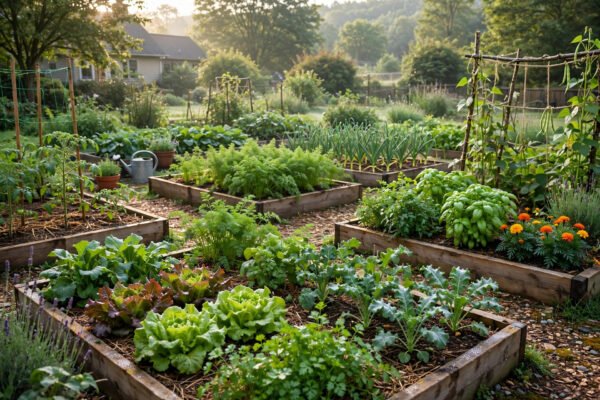
The 2026 twist is the data. Soil tests from long-term compost users show measurably higher organic matter and microbial activity — the kind of before-and-after evidence that converts skeptics. Our gardening trends coverage details how compost fits the 2026 garden, and our raised-bed guide shows where to put that black gold to work.
The Economics Finally Work
Composting crossed an economic threshold in 2026. Municipal programs, once subsidized experiments, now pencil out through avoided landfill tipping fees — burying trash got expensive enough that composting is the fiscally conservative choice. For households, the math is quieter but real: less purchased fertilizer, less soil amendment, lower trash volumes (and in pay-as-you-throw cities, lower bills).
Commercial composting scaled too. Food businesses — grocers, restaurants, cafeterias — face organic-waste regulations in growing numbers of states, creating demand that built regional composting infrastructure. That infrastructure, in turn, made residential programs cheaper to operate. The flywheel is spinning, and it is accelerating.
The Methane Math
To understand why institutions embraced composting, follow the methane. When food waste decomposes in an oxygen-free landfill, it produces methane — a greenhouse gas that, over the first 20 years, traps roughly 80 times more heat than CO2. Food waste is one of the largest sources of landfill methane, which makes diverting it one of the most cost-effective climate actions available. The numbers are stark enough that even fiscal conservatives support composting programs: the avoided emissions per dollar are extraordinary.
Composting, done with oxygen present, produces mainly CO2 and water — the carbon was going to return to the atmosphere anyway, but without the methane multiplier. It is a rare climate solution with no behavior-change sermon attached: you are not being asked to give anything up, just to sort your scraps. That frictionless quality is exactly why it scaled.
Compost Quality: Not All Black Gold
As composting mainstreamed, quality questions followed — and 2026’s gardeners got savvier about answers. Municipal compost is convenient but variable: it can contain herbicide residues (particularly persistent ones that survive composting and damage garden plants), microplastics, and weed seeds if the facility’s process runs cool. Home compost, made from known inputs, is the gold standard for food gardens.
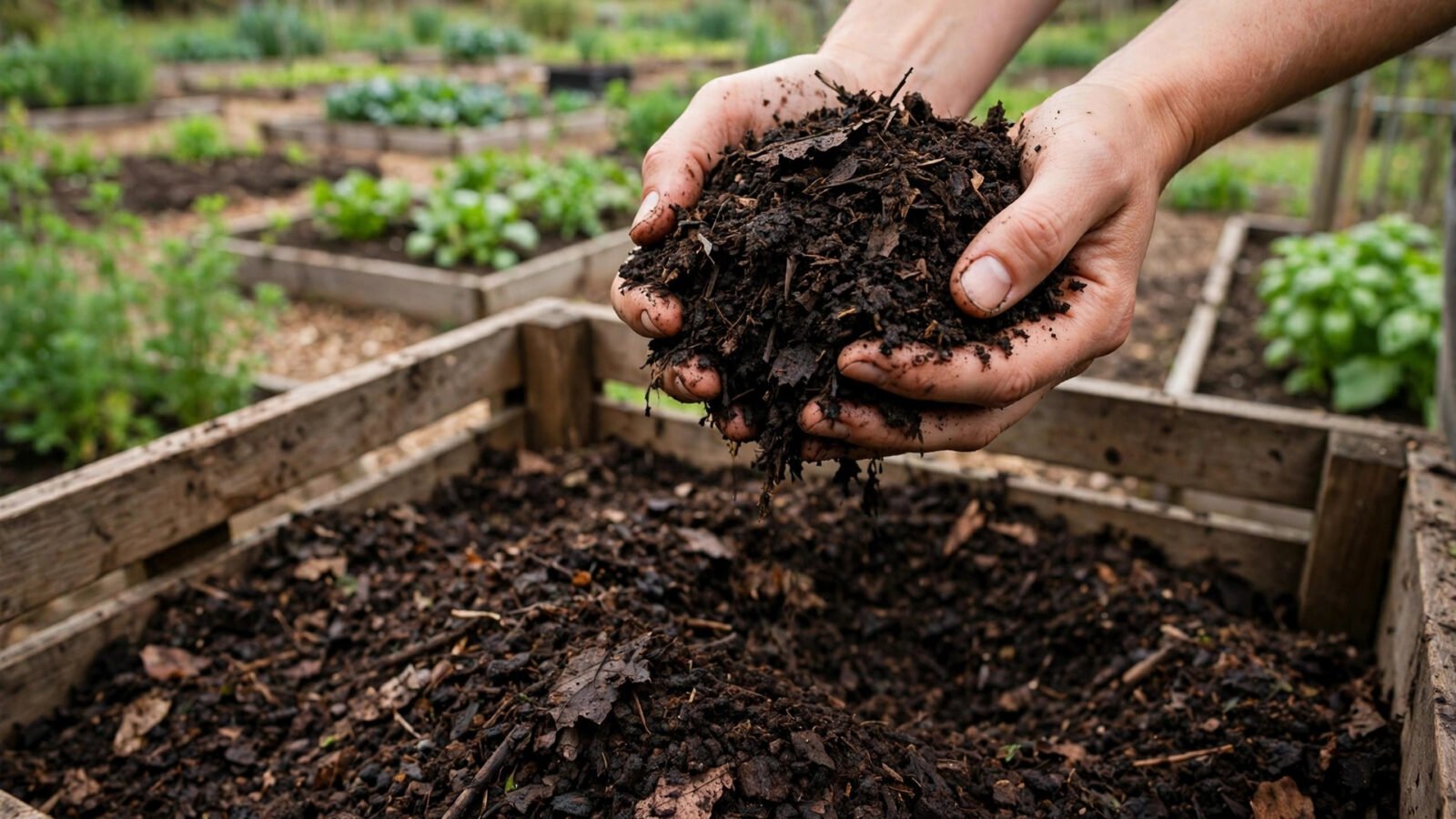
The practical guidance: use municipal compost for ornamentals and lawns freely, but for vegetable beds, know your source — ask the facility about testing and feedstocks. For home piles, the quality levers are the browns-to-greens ratio, moisture, and patience. Great compost smells like a forest floor and crumbles like chocolate cake; anything else needs more time.
How to Start: Every Situation Covered
Have curbside collection? Use it — it is the easiest win. Keep a sealed countertop caddy, empty it into the green bin, done. Check your city’s accepted-materials list; most take food scraps, soiled paper, and yard waste.
Have a yard? A simple bin or pile works: layer “greens” (food scraps, coffee grounds, grass) with “browns” (leaves, cardboard, wood chips) roughly 1:3, keep it moist as a wrung sponge, turn occasionally. Finished compost in 3–12 months depending on effort.
In an apartment? Countertop electric composter for speed, bokashi bucket for fermentation (great for households that generate lots of scraps), or worm bin for the committed. Or find a community drop-off — many farmers’ markets and community gardens accept scraps.
The USDA’s composting guidance covers the agricultural-scale science, but the home principles are the same: feed the microbes, and they feed your soil.
Frequently Asked Questions
What can I compost at home?
Fruit and vegetable scraps, coffee grounds and filters, eggshells, yard trimmings, leaves, shredded newspaper, and cardboard. Avoid meat, dairy, and oils in backyard piles (they attract pests); curbside and electric composters often accept more. When in doubt, check your local program’s list.
Does composting smell?
A healthy compost pile smells like forest floor — earthy, not foul. Bad smells mean too much nitrogen (greens) or too little air; add browns and turn the pile. Countertop electric units are essentially odorless by design.
How long does composting take?
Backyard piles: 3–12 months depending on size, turning, and climate. Countertop electric units: hours (producing a dehydrated pre-compost). Vermicomposting: 2–3 months for finished castings. Hot composting with regular turning is fastest for outdoor systems.
Is composting actually good for the environment?
Yes — significantly. It diverts organic waste from landfills (avoiding methane emissions), returns nutrients to soil, reduces fertilizer needs, and builds soil carbon. It is one of the highest-impact household climate actions available.
Can I compost in an apartment?
Absolutely. Countertop electric composters, bokashi buckets, and compact worm bins all work indoors without odor. Alternatively, many cities offer drop-off sites at farmers’ markets and community gardens — collect scraps in your freezer and drop them weekly.
What is the biggest composting mistake beginners make?
Too many greens, not enough browns — the pile goes slimy and smelly. The fix is simple: for every bucket of food scraps, add two to three buckets of browns (dry leaves, shredded cardboard, wood chips). When in doubt, add more browns; you almost cannot overdo them.