Your doctor mentioned your blood pressure is “a little high.” Not high enough for medication — yet. Just high enough that the word “yet” now hangs over every appointment. Nearly half of American adults have high blood pressure, and most do not need drugs as the first answer. Learning how to lower your blood pressure naturally without medication is one of the highest-return health projects you can take on: the same habits that bring your numbers down also protect your heart, brain, kidneys, and just about everything else.
Standard disclaimer, stated plainly: I am not your doctor. If your blood pressure is severely elevated, or you are already on medication, do not change anything without medical guidance. What follows are evidence-backed lifestyle strategies — the same ones doctors recommend first.
How to Lower Blood Pressure Naturally Without Medication
The big levers, in rough order of impact: lose excess weight, exercise regularly, cut sodium, eat more potassium-rich foods, limit alcohol, quit smoking, manage stress, and sleep enough. No single trick does it — but stacked together, these routinely drop systolic pressure 10–20+ points, which is medication territory.
The Heavy Hitters
1. Lose weight (even a little)
The single most powerful lever for most people. Blood pressure often rises with weight and falls with it — roughly 1 mmHg systolic per kilogram lost, sometimes more. You do not need your college weight; a 10-pound loss moves numbers meaningfully. The healthiest way to lose 20 pounds applies directly here: sustainable pace, real food, no crash diets.
2. Move regularly
Aim for 150 minutes of moderate activity weekly — brisk walking counts fully. Regular aerobic exercise can lower systolic pressure 5–8 points, and the effect starts within weeks. Consistency beats intensity: a daily 30-minute walk outperforms a heroic monthly workout. If you are starting from zero, building a workout routine you’ll actually stick to matters more than picking the perfect exercise.
3. Cut sodium — strategically
Most excess sodium does not come from your salt shaker — it comes from bread, soups, processed meats, restaurant meals, and packaged foods. Target under 2,300 mg daily (ideally toward 1,500 mg if your doctor agrees). Practical moves: read labels (bread varies wildly), cook more meals at home, ask for sauces on the side when eating out, and give your palate 2–3 weeks to adjust — it will, and formerly “bland” food starts tasting seasoned.
4. Eat more potassium
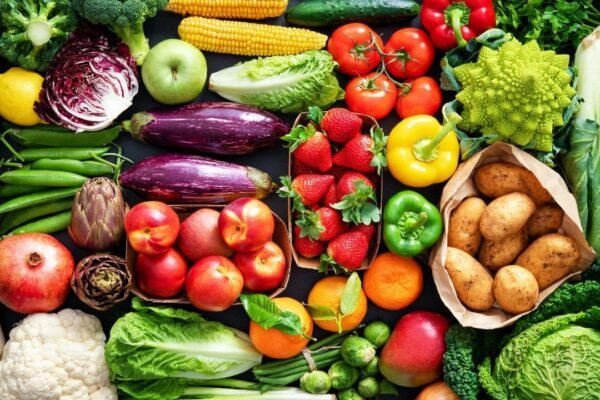
Potassium blunts sodium’s effect. The DASH eating pattern — fruits, vegetables, whole grains, lean proteins, low-fat dairy — is essentially a potassium-delivery system, and trials show it lowers blood pressure as effectively as some drugs. Top sources: beans, lentils, potatoes, bananas, spinach, yogurt, salmon. (If you have kidney disease or take certain medications, check with your doctor before loading potassium — this is one place where “natural” needs supervision.)
The Supporting Cast
- Limit alcohol. Heavy drinking raises blood pressure directly; cutting back — to one drink daily max for women, two for men, ideally less — drops numbers within weeks.
- Quit smoking. Every cigarette spikes blood pressure for 15+ minutes, and smoking damages vessel walls long-term. Quitting is the highest-leverage single health decision most smokers can make.
- Manage stress. Chronic stress keeps pressure elevated; acute stress spikes it. Daily stress practices — walking, breathing exercises, even 10 minutes of quiet — produce measurable drops. (More: reducing stress with a demanding job.)
- Sleep 7–9 hours. Short sleep and sleep apnea both raise blood pressure. If you snore heavily or wake exhausted, get evaluated for sleep apnea — treating it can transform blood pressure.
- Cut back on caffeine (if sensitive). Caffeine spikes pressure temporarily; in some people the effect is significant. Test yours: measure before and 30 minutes after coffee.
- Dark chocolate, garlic, hibiscus tea? Small effects in studies, pleasant to consume, not a strategy. Enjoy them; do not rely on them.
Measure It Right (Otherwise You’re Guessing)
Home monitoring is essential — office readings run high for many people (“white coat” effect). The protocol: validated upper-arm cuff (not wrist), correct cuff size, seated with back supported, feet flat, arm at heart level, no caffeine/exercise/smoking for 30 minutes prior, rest 5 minutes, take 2–3 readings a minute apart and average. Measure at consistent times daily for a week, then average the week — that is your real number. Bring the log to appointments; doctors love data. The American Heart Association publishes detailed home-monitoring guidance.
When lifestyle is not enough
Be honest with yourself: if three to six months of genuine effort does not bring numbers into range, medication is not failure — it is treatment. Modern blood pressure drugs are effective, generally well-tolerated, and cheap. The goal was never “no medication at any cost”; it was a healthy blood pressure with the least intervention necessary. Some people do everything right and still need help — genetics deals different hands. There is no virtue in a stroke you could have prevented.
The DASH Diet in Practice: A Week of Eating
DASH sounds clinical until you translate it into actual meals. Here is what a realistic DASH week looks like — no specialty stores, no suffering: Breakfasts rotate among oatmeal with berries and walnuts, Greek yogurt with fruit and a sprinkle of granola, and whole-grain toast with peanut butter and banana. Lunches: big salads with chickpeas and olive oil dressing, lentil soup with whole-grain roll, brown-rice bowls with black beans and salsa. Dinners: baked salmon with roasted vegetables and quinoa, chicken stir-fry with loads of veggies over brown rice, bean chili with a side salad, whole-wheat pasta with marinara and white beans.
Snacks: fruit, unsalted nuts, raw veggies with hummus, low-fat yogurt. The pattern: plants at every meal, whole grains instead of refined, lean proteins, and olive oil as the default fat. Sodium control happens naturally when you cook this way — the salt bombs are processed foods and restaurant meals, not home cooking with herbs and spices. The transition trick: do not overhaul everything Monday. Swap one meal a day for a DASH-style version in week one, two meals in week two, and so on. Gradual adoption sticks; revolution diets collapse by Friday. Within a month, this way of eating feels normal — and your blood pressure numbers will likely show it before your palate even notices the change. Food is the most powerful blood pressure drug most people will never be prescribed.
The Practical Takeaway
Stack the big levers: lose 10+ pounds, walk 30 minutes daily, cut sodium below 2,300 mg (watch processed foods, not the shaker), eat potassium-rich DASH-style, limit alcohol, quit smoking, sleep 7–9 hours, and manage stress daily. Measure correctly at home and track weekly averages. Give it three to six genuine months. And if the numbers do not reach target, take the medication without shame — the point was always the pressure, not the method. Your arteries do not grade on effort; they respond to results.