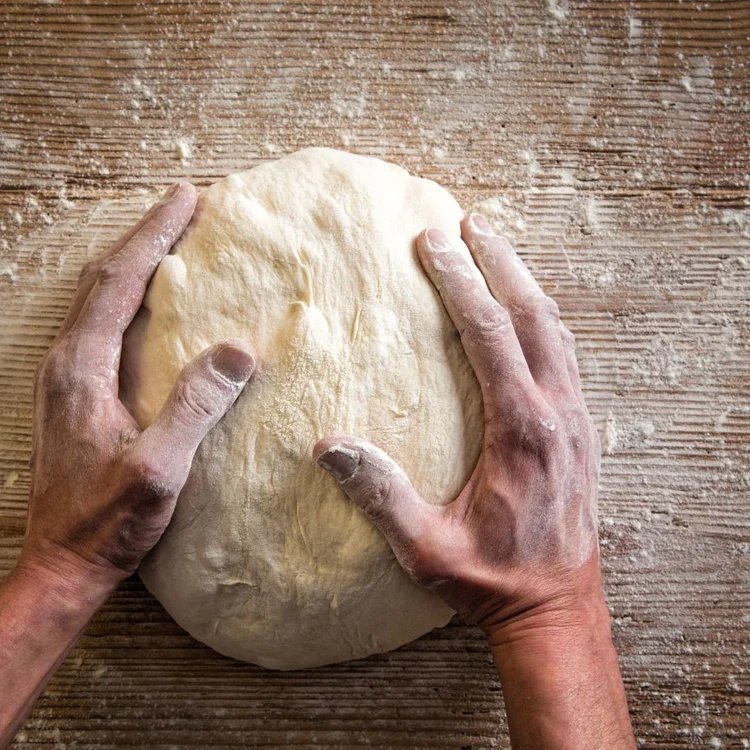
There’s a special frustration in pulling a pale, dense, cracker-like disc from the oven when you were promised pizzeria crust. If your dough never rises, it’s almost never your fault — it’s one of five fixable things. Here’s how to make homemade pizza dough that actually rises, with the troubleshooting built in so this is the last pizza dough article you need.
Why Pizza Dough Fails to Rise: The Usual Suspects
Before the recipe, the diagnostics. Dough that doesn’t rise is almost always one of these:
- Dead yeast. Yeast expires, and it dies faster in heat. Proof it first: stir a pinch of sugar into warm water (105–115°F), add yeast, and wait 10 minutes. Foamy = alive. Flat = buy new yeast.
- Water too hot. Above 130°F kills yeast outright. “Lukewarm like a baby’s bath” is the target — if it feels hot on your wrist, it’s too hot.
- Too much flour. Scooping flour with the measuring cup packs in up to 30% extra. Spoon flour into the cup and level it, or better, weigh it: 500g flour for this recipe.
- Cold kitchen, impatient baker. Dough rises slowly below 70°F. Give it a warm spot and give it time.
- Too much salt in direct contact with yeast. Salt is essential for flavor but it inhibits yeast on contact. Mix salt into the flour before the yeast meets it.
The Foolproof Pizza Dough Recipe
Makes two 12-inch pizzas. This is a 65% hydration dough — wet enough for an open, airy crumb, dry enough to handle easily.
Ingredients
- 500g bread flour (about 4 cups, spooned and leveled)
- 325g lukewarm water (about 1⅓ cups)
- 10g fine sea salt (about 2 teaspoons)
- 7g instant yeast (2¼ teaspoons, one packet)
- 15g olive oil (1 tablespoon), plus more for the bowl
- 5g honey or sugar (1 teaspoon — yeast food for a strong rise)
Steps
- Activate (10 min): Whisk yeast, honey, and lukewarm water. Rest 10 minutes until foamy. (Skip this if you’re confident your yeast is fresh — but when troubleshooting, don’t skip it.)
- Mix (5 min): Combine flour and salt in a large bowl. Add the yeast mixture and olive oil. Stir until a shaggy dough forms with no dry pockets.
- Knead (8–10 min): Turn onto a lightly floured surface and knead until smooth and elastic — it should spring back slowly when poked. Or use a stand mixer with a dough hook, 6–8 minutes. The King Arthur Baking guides have excellent kneading videos if you’ve never done it.
- First rise (1–2 hours): Place in an oiled bowl, cover, and let rise in a warm spot until doubled. The oven with the light on is perfect (around 80°F).
- Divide and rest (30 min): Divide into two balls, cover, and rest 30 minutes. This relaxes the gluten so the dough stretches instead of snapping back.
- Shape: Press from the center outward, leaving a puffy rim for the crust. Never use a rolling pin — it crushes the air bubbles you worked to create.
- Bake hot: 500°F or your oven’s max, on a preheated stone, steel, or inverted sheet pan. 7–10 minutes until spotted and golden.
How to Make Homemade Pizza Dough That Actually Rises: The Overnight Upgrade
Once the basic recipe works, try the cold ferment: after kneading, refrigerate the dough balls in oiled, covered containers for 24–72 hours. The slow cold rise develops complex flavor and a chewier, more blistered crust that same-day dough can’t match. Bring to room temperature 1–2 hours before shaping. This is the single biggest leap from “good homemade pizza” to “better than delivery.”
Baking Tips for Maximum Rise
- Preheat aggressively. A full hour at max temperature. Your stone or steel should be screaming hot — that’s what gives oven spring, the burst of rise in the first minutes.
- Don’t overload toppings. A swamp of sauce and cheese weighs the crust down and steams it. Less is more: thin sauce, scattered cheese.
- Launch with confidence. A floured peel or parchment paper prevents the stuck-dough disaster. Hesitation deflates.
Troubleshooting Guide: When Dough Still Misbehaves
Even with the right recipe, dough has moods. Here is the deeper diagnostic guide:
The poke test, explained
Flour a finger and poke the risen dough: if the indent springs back immediately, it needs more time. If it springs back slowly and leaves a slight indent, it is ready. If it collapses, it is over-proofed – reshape and give it a shorter second rise. This test works for every dough you will ever make; learn it once and use it forever.
Sticky dough vs. wet dough
There is a difference. Wet dough (high hydration) is supposed to be tacky – it will bake into an open, airy crumb. Sticky dough that will not come off your hands usually means under-kneaded (the gluten has not developed enough to hold together) or over-hydrated for the flour used. Fix: knead 3 more minutes and reassess. Different flours absorb differently – the same recipe may need a tablespoon more or less flour depending on brand, humidity, and altitude.
Altitude adjustments
Above 3,500 feet, dough rises faster (less air pressure) but structure sets weaker. Compensate: reduce yeast by 25%, increase water slightly, and watch the rise closely – it can over-proof while you are not looking. High-altitude bakers learn the poke test fast out of necessity.
The refrigerator rescue
Dough emergency? Punch it down and refrigerate. Cold retards the yeast dramatically – you buy yourself 24-48 hours. This works mid-rise, after shaping, anytime. The fridge is the pause button for dough, and knowing it removes all timing anxiety. Dinner delayed? Fridge the dough. Guests late? Fridge the dough. It will wait for you.
Reviving sluggish yeast mid-recipe
If the first rise stalls: move the dough somewhere warmer (oven with the light on, near a heating vent), give it more time (cold dough can take 3 hours), and do not add more yeast – it will not fix a temperature problem and will over-yeast the flavor. Patience and warmth solve 95% of slow rises. And when the pizza is baked and there are leftovers, our guide to reheating pizza so the crust stays crispy keeps day two as good as day one.
The Takeaway
Live yeast, lukewarm water, weighed flour, a warm rise until doubled, and a blazing oven — that’s homemade pizza dough that actually rises, every time. Try the overnight cold ferment once and you’ll never go back to same-day dough. And if bread baking has its hooks in you now, our no-knead bread guide is the natural next project.


