For years I treated workout nutrition like rocket science — precise protein windows, fasted cardio debates, supplement stacks with names I couldn’t pronounce. Then a sports dietitian friend asked me what I ate before training, and when I described my elaborate ritual, she laughed and said, ‘You know what matters? That you ate something.’ She was right. If you’re wondering what to eat before and after a workout for best results, the fundamentals are refreshingly simple, and most of the complicated advice you’ve heard is optimization for the last 5% — while most of us haven’t nailed the first 95%.
Here’s the framework: before training, eat easily digestible carbs with a little protein, timed so you’re fueled but not full. After training, eat protein plus carbs within a few hours to recover and rebuild. Total daily nutrition matters far more than exact timing. Let’s get specific.
What Should I Eat Before and After a Workout for Best Results? The Pre-Workout Formula
Your pre-workout meal has one job: deliver usable energy without digestive drama. That means carbohydrates (your muscles’ preferred fuel) plus a moderate amount of protein, low in fat and fiber — both slow digestion, which is the opposite of what you want sloshing around during squats. Timing scales with meal size: a full meal 2–3 hours before, a substantial snack 60–90 minutes before, or something small 30 minutes before if you’re in a rush.
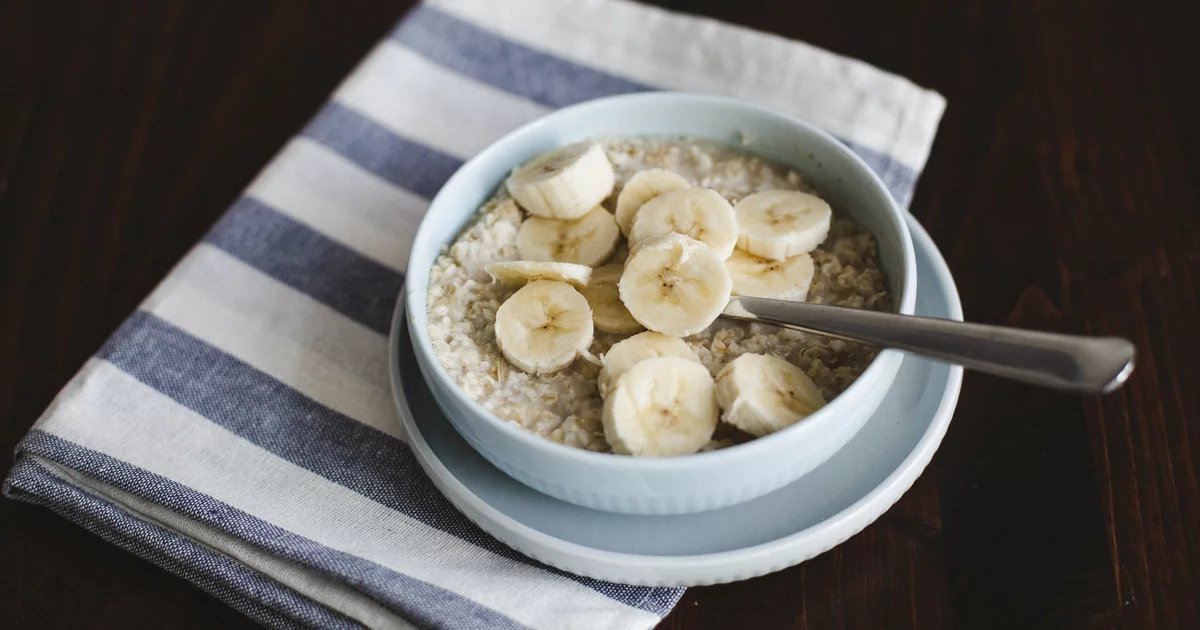
My go-to options by timing: 2–3 hours out, oatmeal with banana and peanut butter, or rice with chicken and vegetables — real meals, nothing exotic. An hour out, Greek yogurt with berries, or a banana with a handful of pretzels. Thirty minutes out, a piece of fruit or a small handful of dried mango. What to avoid: high-fat feasts (that bacon cheeseburger will haunt rep three), huge fiber loads (bean burritos are a gamble), and anything you haven’t tested before — race day is not the time for nutritional experiments. Hydrate too: 16–20 ounces of water in the 2–3 hours before, plus another 8 right before you start. And if mornings are your training time, the best time of day to exercise for weight loss digs into whether fasted training helps or hurts — spoiler: eat something.
- 2–3 hours before: full balanced meal (oatmeal + PB, rice + chicken)
- 60–90 min before: Greek yogurt + berries, or toast + banana
- 30 min before: piece of fruit or small carb snack
- Avoid: high-fat meals, huge fiber loads, untested foods
- Hydrate: 16–20 oz water in the hours before, 8 oz right before
The Post-Workout Meal: Refuel and Rebuild
After training, your muscles are primed to soak up nutrients — glycogen stores want replenishing and muscle protein synthesis runs high. The classic advice says protein plus carbs, and the classic advice is right: aim for 25–40 grams of protein with a solid serving of carbohydrates. A chicken burrito bowl, salmon with sweet potato, eggs on toast with fruit, or a protein shake with a banana all nail it. Chocolate milk, cliché as it sounds, is legitimately one of the best-studied recovery drinks in existence — the carb-to-protein ratio is nearly ideal and it costs a dollar.
Now, about the ‘anabolic window’ — the idea that you must eat protein within 30 minutes or your workout was wasted. The research has largely deflated this: total daily protein matters far more than stopwatch timing, and the real window is several hours wide, especially if you ate protein before training. So don’t panic if you can’t eat immediately — just get a real meal within 2–3 hours. The exception: if you trained fasted first thing in the morning, eat sooner rather than later. For daily protein targets that make all of this work, how much protein you really need each day has the numbers.
Hydration and Electrolytes: The Forgotten Half
Most recreational exercisers under-drink, and the performance cost is real — even 2% dehydration measurably impairs strength, endurance, and decision-making. During workouts under an hour in normal conditions, water is all you need; sip 7–10 ounces every 15–20 minutes. For sessions over 60–90 minutes, especially in heat, add electrolytes — sports drinks, electrolyte tablets, or salty snacks plus water all work. The sports drink industry wants you to believe you need neon sugar-water for a 30-minute jog; you don’t.
Post-workout, rehydrate with about 16–24 ounces of fluid for every pound lost during exercise (weigh yourself before and after once to calibrate — most people are shocked). Your urine should return to pale yellow within a few hours. And go easy on the post-workout alcohol — it impairs muscle protein synthesis and sleep quality, undoing a meaningful chunk of the recovery you just earned. One beer with dinner is fine; a binge is not. Our summer hydration guide on how to tell if you’re dehydrated covers the warning signs if you train in the heat.
Supplements: What’s Worth It and What’s Hype
Honest assessment from someone who’s wasted money here: most workout supplements are expensive placebos. The short list with genuine evidence: creatine monohydrate (the most studied sports supplement in existence — cheap, safe for healthy adults, effective for strength and muscle), caffeine (a legitimate performance enhancer at 3–6 mg/kg taken 30–60 minutes pre-workout), and protein powder (convenient, not magical — just protein). That’s basically it for the average person.
Skip: BCAAs (useless if you eat enough protein), fat burners (underdosed caffeine plus fairy dust, sometimes with risky ingredients), testosterone boosters (don’t work), and anything with a ‘proprietary blend’ hiding its doses. Pre-workout powders are mostly caffeine with marketing — a cup of coffee does the same job for pennies. Spend the supplement budget on better groceries instead; the NIDDK and USDA MyPlate resources will do more for your results than any powder with a shredded guy on the label.
Keep It Simple, Stay Consistent
What to eat before and after a workout for best results: carbs plus a little protein 1–3 hours before, protein plus carbs within a few hours after, water throughout, and total daily nutrition doing the heavy lifting behind the scenes. The timing details are fine-tuning; the fundamentals are fuel, protein, and consistency.
Eat like someone who trains, train like someone who eats — and watch both get better together.


One thought on “What Should I Eat Before and After a Workout for Best Results?”