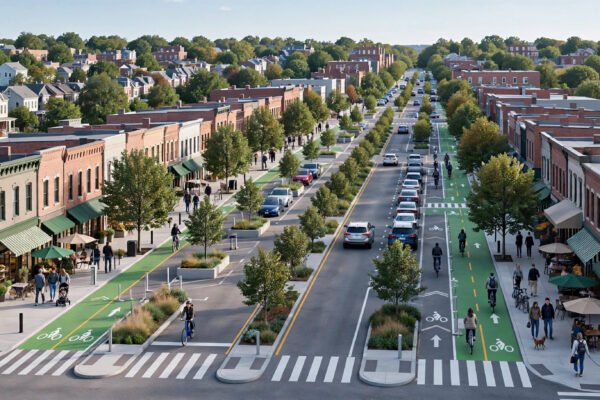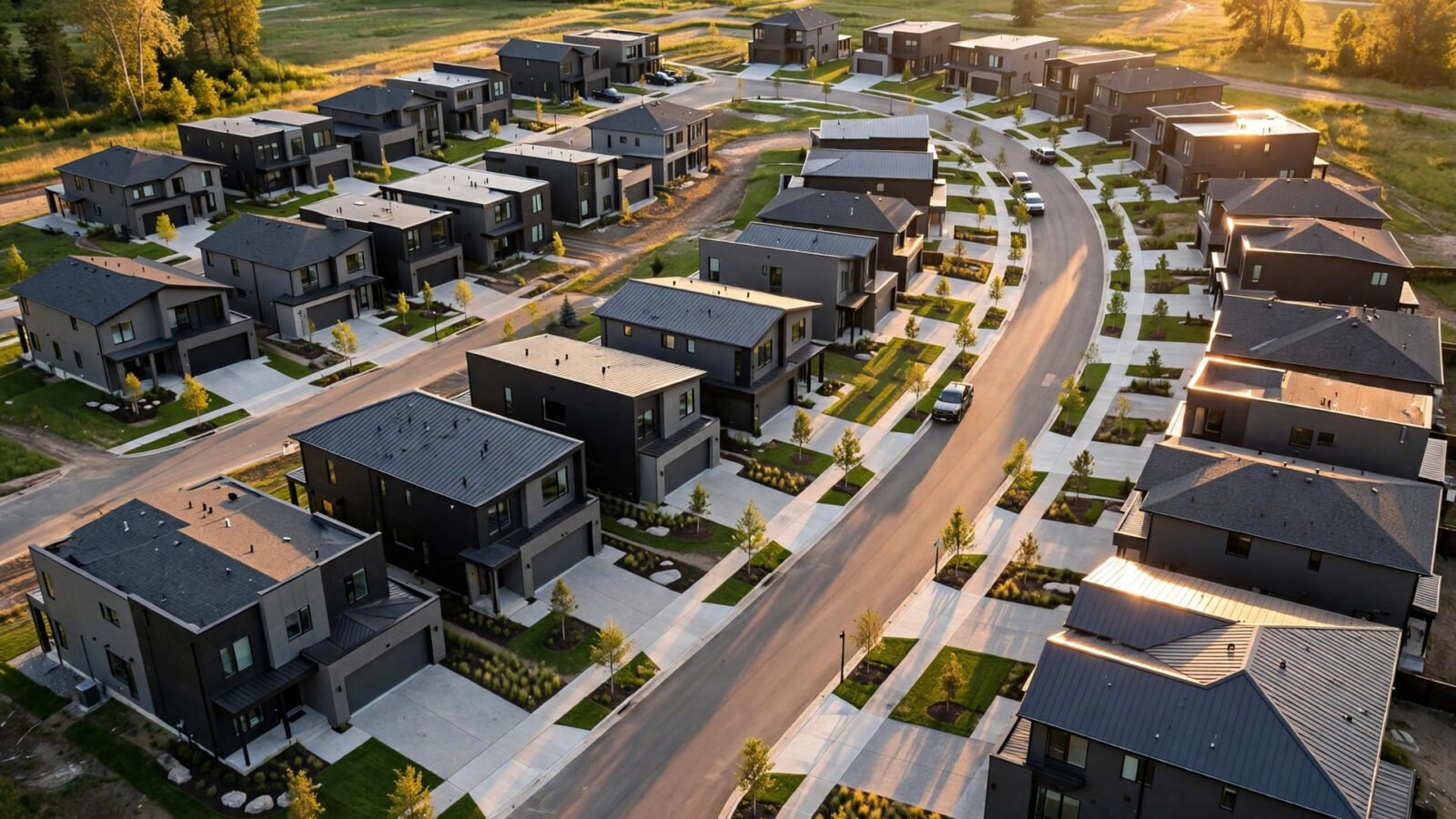
Drive through the newest neighborhoods in Phoenix, Dallas, Charlotte, or Nashville and you’ll notice something different about the “for sale” signs — there aren’t any. Entire subdivisions of single-family homes, built from scratch by institutional investors, where every house is a rental. Welcome to build-to-rent (BTR): the fastest-growing segment of American housing, and one of the most debated.
Build-to-rent communities — whole neighborhoods of detached or attached single-family homes constructed specifically to be rented, not sold — have gone from industry curiosity to mainstream asset class in less than a decade. Here’s why investors are pouring billions in, why renters are signing up, and why the trend makes housing advocates nervous.
What Build-to-Rent Actually Is
The model is straightforward: instead of building homes and selling them to individual buyers (build-to-sell) or building apartment complexes (multifamily), developers build single-family-style homes — detached houses or townhomes with yards, garages, and privacy — and rent them out as a unified, professionally managed community. Residents get the space and lifestyle of a suburban home with the flexibility and maintenance-free living of a rental.
The communities themselves are designed for renting: durable finishes, standardized floor plans, centralized leasing offices, on-site maintenance, and amenities (pools, fitness centers, dog parks, co-working lounges) that rival luxury apartments. The largest BTR operators manage tens of thousands of homes across the Sun Belt and beyond, and the pipeline of new construction keeps growing.
Why Investors Can’t Get Enough
The investment thesis is compelling. Single-family rentals historically outperformed apartments on rent growth and occupancy stability — tenants stay longer (the average single-family renter stays years longer than the average apartment renter), turnover costs are lower per unit of rent, and the tenant base (families, professionals) is economically resilient. Purpose-built BTR captures these advantages at institutional scale, with professional management replacing the mom-and-pop landlord.
The capital followed the thesis. Pension funds, private-equity firms, and publicly traded REITs have allocated billions to BTR, and major homebuilders launched dedicated BTR divisions — a telling signal, since builders make money selling homes and wouldn’t cannibalize their core business unless the returns justified it. Census Bureau construction data shows built-for-rent single-family starts climbing steadily as a share of overall homebuilding.
Why Renters Choose BTR
The renter value proposition is equally clear. Millions of households want single-family living — the yard for the dog, the garage, the good school district, no shared walls — but can’t or don’t want to buy: priced out by down payments, unwilling to commit to a location, prioritizing career mobility, or simply preferring to invest their capital elsewhere. BTR serves this “renter by choice” (and “renter by necessity”) demographic directly.
The lifestyle pitch resonates especially with two groups: young families who need space but lack the savings for today’s down payments, and relocating professionals who want to test a city before committing. Professional management is a genuine upgrade over the typical single-family rental experience — no more chasing an absentee landlord for repairs. And community amenities replicate the suburban neighborhood feel without the HOA politics.
For renters personalizing their space, the usual renter-friendly strategies apply — making a rental feel like home works as well in a BTR house as in an apartment, and simple upgrades like peel-and-stick tile in a rental kitchen translate directly.
The Affordability Debate
Here’s where the consensus breaks. Critics argue BTR institutionalizes renting — converting would-be homeownership stock into permanent rental inventory, bidding up land prices, and locking a generation out of equity building. When investors outbid families for buildable land and then rent the resulting homes back to those same families, the optics (and economics) look extractive. Housing advocates warn of a future where the single-family neighborhood — the historic engine of middle-class wealth — becomes a landlord asset class.
The industry counters with supply arithmetic: BTR adds housing units that wouldn’t otherwise exist, and every unit added eases the shortage driving the affordability crisis. They note that BTR serves demand (renters who want houses) that the for-sale market wasn’t serving anyway, and that professionally managed rentals beat the alternative of investor-owned scattered-site homes with worse maintenance. HUD’s housing research acknowledges the complexity: supply matters enormously, but what kind of supply and who owns it matter too.
The honest assessment: BTR is both symptom and treatment. It’s a symptom of a for-sale market that’s failed millions of households — if buying were accessible, fewer would rent houses. It’s a treatment in that it adds needed rental supply with better quality than the scattered-site alternative. Whether it’s a net positive depends on whether policymakers simultaneously fix the for-sale side.
Where BTR Is Growing (and Why There)
Geography tells the story: BTR concentrates in the Sun Belt and Southeast — Texas, Florida, Arizona, the Carolinas, Tennessee, Georgia — where land is available, entitlements are faster, population growth is strong, and the single-family lifestyle is the cultural default. Redfin’s market analyses consistently show these as the markets where renter demand for single-family living most outstrips for-sale affordability.
The model struggles where it can’t get land or approvals — coastal California, the Northeast corridor — which is also where the affordability crisis is worst. That mismatch is BTR’s fundamental limitation as a housing solution: it goes where building is easy, not where need is greatest.
What It Means for Buyers, Renters, and Neighborhoods
For prospective buyers, BTR is a mixed signal: more rental options reduce the pressure to buy before you’re ready (good), but investor competition for land can push for-sale prices higher (bad). For renters, it’s mostly positive — better-quality single-family rentals with professional management. For neighborhoods, the effects are still being studied: early research suggests well-managed BTR communities integrate fine, but the long-term civic effects of renter-majority subdivisions (voter turnout, school engagement, community investment) remain open questions.
Regulators are watching. Some municipalities have moved to ensure BTR developments meet the same standards as for-sale subdivisions; tenant advocates push for protections appropriate to long-term family tenancies. The policy framework is still catching up to the business model.
Build-to-rent is on the radar because it sits at the intersection of America’s biggest housing questions: why can’t people afford to buy, who should own the nation’s homes, and what does the suburban dream look like when it’s a subscription? The answers will shape housing policy for a generation. In the meantime, the subdivisions without “for sale” signs keep multiplying — a physical monument to an economy where renting the dream is increasingly the only way to live it.
Frequently Asked Questions
What is build-to-rent housing?
Single-family homes or townhomes constructed specifically to be rented (not sold), operated as professionally managed communities with amenities — offering single-family lifestyle with rental flexibility.
Is build-to-rent bad for housing affordability?
It’s debated. Critics say it converts potential homeownership stock into permanent rentals and bids up land. Supporters say it adds needed housing supply and serves renter demand the for-sale market wasn’t meeting. Most analysts see it as both symptom of and partial treatment for the affordability crisis.
Where is build-to-rent growing fastest?
The Sun Belt and Southeast — Texas, Florida, Arizona, the Carolinas, Tennessee, Georgia — where land is available, approvals are faster, and population growth is strong.
Who rents build-to-rent homes?
Primarily young families wanting space without buying, relocating professionals testing a market, and households priced out of purchasing but seeking single-family lifestyle — yards, garages, good school districts.