The average American family spends over $1,000 a month on groceries — and wastes about a quarter of it. That’s $250 a month literally rotting in the fridge. Making grocery shopping faster and cheaper isn’t about coupon-clipping marathons or eating rice and beans forever; it’s about a simple system: plan a little, shop with rules, and stop the waste. Do this right and you’ll save $200–400 a month while spending less time in the store.
Here’s the full system, from planning to checkout to fridge.
How Can I Make Grocery Shopping Faster and Cheaper? Plan Before You Shop
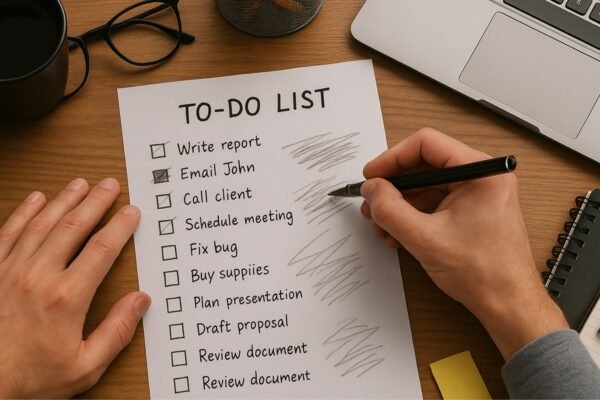
The 15-minute weekly plan. Once a week — Sunday works — do three things: check what you already have (fridge, freezer, pantry), pick 4–5 dinners for the week, and make the list from the gap. Four or five planned dinners (not seven — leave room for leftovers, eating out, and chaos) is the sweet spot. This single habit cuts impulse buys by half, because most impulse buys happen when you’re shopping without a plan.
Theme your nights. Decision fatigue kills meal planning. Assign loose themes: Monday pasta, Tuesday tacos, Wednesday sheet-pan, Thursday soup/stir-fry, Friday pizza/homemade or takeout. Themes make planning nearly automatic — you’re just picking which pasta, not whether pasta. Within a month it’s second nature.
Shop your kitchen first. Before writing the list, do a 5-minute inventory. The average household has $300+ of food sitting in the pantry and freezer they’ve forgotten about. “Use what you have” weeks — where you only buy fresh produce and dairy — can cut a month’s grocery bill dramatically a few times a year.
The List Rules That Save Real Money
- Never shop hungry. The oldest advice because it’s the truest — hungry shoppers buy 15–20% more, almost all of it junk.
- Organize the list by store section. Produce, meat, dairy, frozen, pantry. You move through the store once, no backtracking, no “while I’m here” extras. Most grocery apps let you reorder the list this way.
- Set a number, not just a list. “I’m buying 25 items” creates a hard constraint that kills impulse additions. Count as you go.
- The one-trip rule. Midweek “quick trips” are budget killers — each one adds $20–40 of unplanned items. One big weekly shop plus a strict no-trip policy (milk emergencies excepted) saves hundreds monthly.
Shop Smarter: Where and How
Know your store tiers. Aldi/Lidl for staples (30–40% cheaper than regular grocers on basics), warehouse clubs for the 15 things you always use (do the per-unit math — not everything’s a deal), regular grocers for produce sales and variety, ethnic markets for spices, rice, and produce (often half the price). One store can’t be cheapest at everything; two stores (a discount + a regular) is the efficient combo.
Buy the store brand first. Blind taste tests consistently show store brands match or beat name brands on staples — milk, eggs, canned goods, frozen vegetables, oats. The exceptions (where name brand sometimes wins): condiments with specific flavors you love, and a few snack items. Default to store brand; upgrade only what you genuinely notice.
Produce: buy seasonal and frozen. In-season produce costs half as much and tastes better. Out of season, frozen is nutritionally equal (sometimes better — it’s frozen at peak ripeness) and never rots in your crisper. The USDA’s MyPlate grocery budgeting resources has solid guidance on building balanced meals on a budget.
Meat: buy on sale, freeze immediately. When chicken, ground beef, or pork hits a real sale (learn your store’s cycle — usually every 4–6 weeks), buy a month’s worth and freeze in meal-sized portions. A chest freezer pays for itself within a year for most families.
Kill the Waste (Where the Real Money Is)
The eat-me-first box. Designate one fridge shelf or bin for things that need eating soon — leftovers, ripe fruit, opened items. Check it before every meal. This alone cuts most households’ waste dramatically.
Learn actual expiration meanings. “Sell by” is for stores. “Best by” is about quality, not safety. “Use by” is the only one to respect strictly (on meat and dairy). Americans throw away billions in perfectly good food over misunderstood labels.
Repurpose night. One dinner a week is “clean the fridge” night: stir-fry, frittata, soup, or grain bowls from whatever’s left. It feels creative rather than cheap, and it zeroes out waste.
Freeze the margins. Bananas going brown? Freeze for smoothies. Bread going stale? Croutons or breadcrumbs. Herbs wilting? Chop into olive oil and freeze in ice cube trays. The freezer is a pause button — use it aggressively.
Speed Tactics: In and Out in 30 Minutes
- Shop at off-peak hours. Weekday mornings or late evenings — no crowds, no lines, fully stocked shelves. Weekend afternoons are the worst of all worlds.
- Use pickup or delivery strategically. Curbside pickup (often free over a threshold) eliminates impulse buys entirely — you buy exactly what’s on the list. The time saved is real; just watch for substitution settings and fees.
- Stick to the perimeter. Produce, meat, dairy line the store’s edges; the processed-food aisles are the expensive middle. Perimeter shopping is faster, cheaper, and healthier.
- Self-checkout for small trips. Faster than any staffed lane for under 15 items — and the social pressure of a cashier watching somehow reduces impulse additions too.
The compounding effect is what matters: grocery savings are the foundation of habits for saving money every month — most families find $200–400/month here, which rivals the wins from learning to reduce my monthly bills without changing my lifestyle. And it’s a natural classroom for kids: bring them into the planning and watch them absorb how to teach my kids good money habits early without a single lecture.
The Pantry Staples That Make Everything Cheaper
A well-stocked pantry turns random ingredients into meals, which is what actually cuts costs. The high-ROI staples: rice, pasta, oats, canned tomatoes, canned beans, lentils, peanut butter, flour, cooking oil, soy sauce, and a solid spice set (garlic powder, cumin, chili powder, oregano, cinnamon). With these on hand, that “nothing to eat” feeling disappears — there’s always a meal within 20 minutes. Buy them at the discount grocer in the biggest sizes you’ll actually use before they go stale, and restock on a rolling basis rather than all at once.
The Practical Takeaway
This week: do the 15-minute plan (inventory, 4–5 themed dinners, section-organized list), shop once at an off-peak hour, and start the eat-me-first bin. Track this month’s grocery spending against last month’s — the number will convince you faster than any article. Faster, cheaper groceries aren’t about deprivation; they’re about a system that runs itself while you live your life.