How Much Platinum is in a Catalytic Converter? Average Price Guide (2026)
What Is Actually Inside a Catalytic Converter?
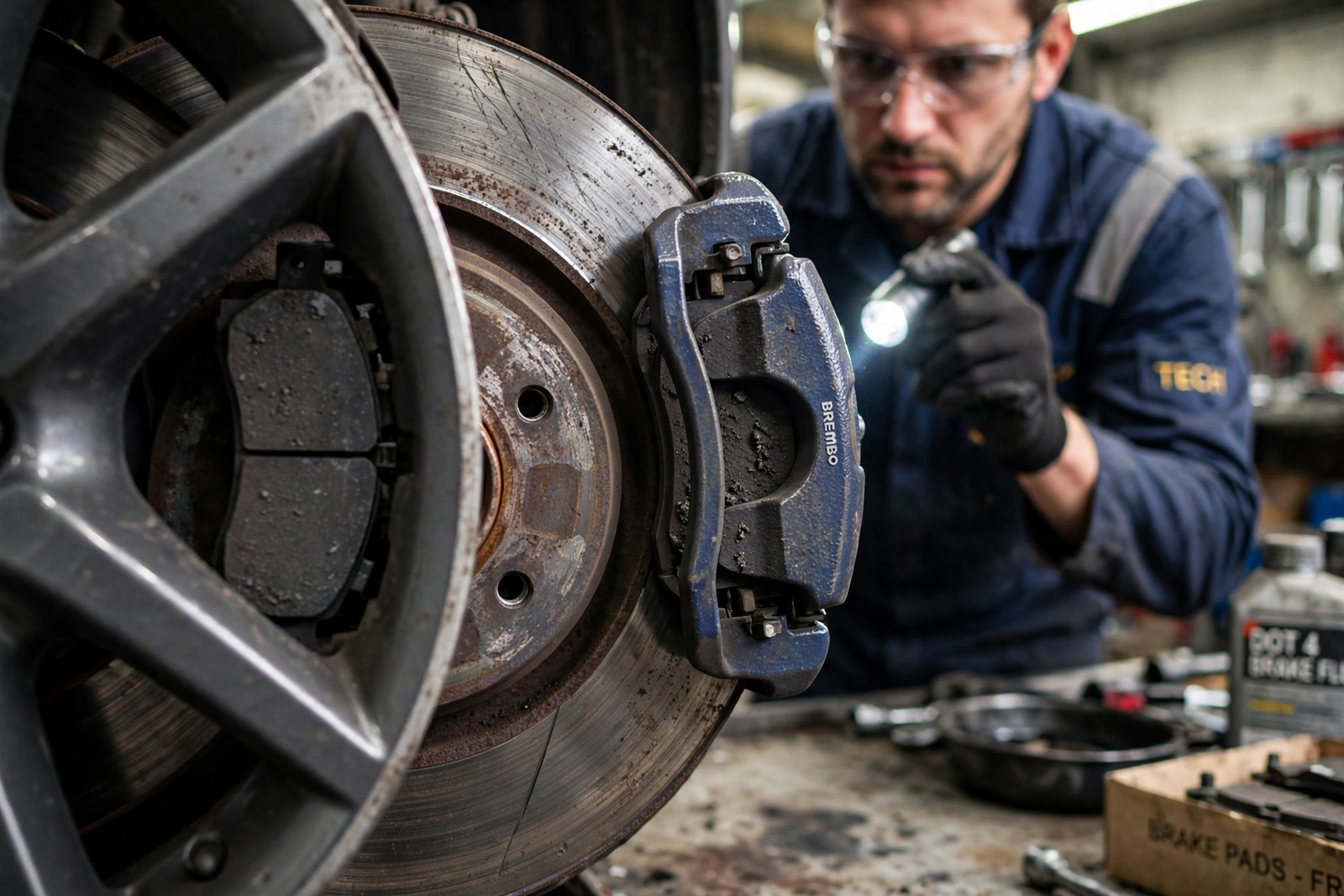
A catalytic converter looks like a plain metal canister in your exhaust system, but its core is coated with some of the rarest and most expensive metals on earth. Inside the stainless steel shell sits a ceramic or metallic honeycomb substrate — thousands of tiny channels that maximize surface area. That honeycomb is wash-coated with a mixture of three platinum-group metals:
- Platinum (Pt): drives oxidation reactions, converting carbon monoxide and unburned hydrocarbons into carbon dioxide and water.
- Palladium (Pd): works alongside platinum on oxidation; in many modern converters it has partially replaced platinum because it was historically cheaper.
- Rhodium (Rh): handles reduction, converting harmful nitrogen oxides (NOx) into harmless nitrogen. Rhodium is the rarest and often the most valuable of the three per gram.
The exact blend varies by vehicle, model year, and emissions standard. Older converters and diesel units tend to carry more platinum; many gasoline converters built in the last 15 years lean heavier on palladium, with rhodium present in small but critical amounts across the board.
How Much Platinum Is in a Typical Converter?
Here is the honest breakdown by the numbers:
| Metal | Typical amount per converter | Approx. 2026 value |
|---|---|---|
| Platinum | 1–3 grams | $35–$110 |
| Palladium | 2–4 grams | $60–$130 |
| Rhodium | 0.2–0.5 grams | $90–$220 |
| Total PGM content | 3–7 grams | $150–$400 |
So while a converter contains only a few grams of precious metal — about the weight of a nickel or two — those grams are extraordinarily valuable. Rhodium in particular punches far above its weight: even a third of a gram can be worth more than all the platinum in the unit.
Bigger vehicles carry bigger converters with more metal. A full-size pickup or large SUV converter can hold 6 to 10+ grams of platinum-group metals, while a small economy car might hold just 2 to 4 grams. Hybrids are a special case: because their gasoline engines cycle on and off, their converters need extra catalyst loading to work during cold starts — making hybrids like the Prius prime theft targets.
Why This Tiny Amount of Metal Matters So Much
Platinum-group metals are among the scarcest materials mined on earth. The vast majority comes from just two regions — South Africa and Russia — which makes supply fragile and prices volatile. The EPA’s vehicle emissions programs require converters on essentially every gasoline vehicle sold in the US, so demand is locked in by law: roughly 80% of all platinum and palladium demand comes from catalytic converters. The National Insurance Crime Bureau theft-prevention resources track converter theft trends and offer extra protection tips for high-risk vehicles.
That combination — legally mandated demand, tiny supply, concentrated mining — is what turns a few grams of metal into hundreds of dollars and fuels an entire black market. A thief with a battery-powered saw can cut a converter off a truck in under two minutes and sell it to a scrap buyer for $150 to $500 depending on the vehicle. Multiply that across thousands of thefts and you get a multi-hundred-million-dollar criminal industry.
What a Stolen or Failed Converter Costs You
The metal value is only the beginning of the financial pain. Here is what converter replacement actually costs in 2026:
- Parts: $400 to $1,600 for the converter itself. OEM (factory) converters cost the most; EPA-compliant aftermarket units run $200 to $800 but are not legal for sale or use in California and states following its rules.
- Labor: $150 to $400 depending on location and how the converter is mounted. Some are bolted on (quick job); others are welded into the exhaust (slower, pricier).
- Oxygen sensors: $100 to $300 if the thieves damaged the O2 sensors during the cut — common, since the sensors sit right next to the converter.
- Total typical cost: $1,000 to $2,500+, with luxury vehicles, trucks, and hybrids at the high end.
If your converter fails on its own (rather than being stolen), expect the same parts and labor costs. Converters usually last 100,000+ miles, but engine problems like oil burning, misfires, or coolant leaks can poison the catalyst and kill one early. Fixing the underlying engine issue first is essential — otherwise the new converter will fail the same way. Related repairs like replacing faulty fuel injectors are worth addressing before a converter replacement, since rich-running engines destroy catalysts.
Protecting Your Converter From Theft
You cannot make your converter theft-proof, but you can make your car a harder target than the one parked next to it:
- Park smart: well-lit areas, close to building entrances, or inside a garage. Thieves want darkness and quick escape routes.
- Install a catalytic converter shield or cage: $200 to $500 installed. Steel cable locks and aluminum shields force thieves to spend far more time and make far more noise — most will move on.
- Etch your VIN on the converter: some shops and police departments offer this free. It does not prevent theft, but it makes the unit traceable and harder to sell.
- Adjust your insurance: comprehensive coverage typically covers converter theft minus your deductible. If your deductible is $1,000 and the repair is $1,500, you are still out a grand — consider whether a lower deductible makes sense for a high-target vehicle.
- Know the signs of a missing converter: if your car suddenly roars like a race car on startup, the converter is gone. Do not drive it — besides the noise, you are venting raw exhaust and will fail any emissions inspection.
Recycling: The Legal Way to Cash In
There is a legitimate market for the platinum in old converters, and it is worth knowing about when yours is replaced. Licensed recyclers recover the platinum-group metals from spent converters — the metals are infinitely recyclable with no loss of quality, and recycled supply now covers a meaningful share of annual demand.
- A scrap yard or core buyer will typically pay $50 to $250 for a used OEM converter, depending on the vehicle and current metal prices.
- Always sell to a licensed buyer who records the transaction. In most states, sellers must show ID and the sale is logged — laws tightened specifically to choke off the stolen-converter trade.
- Never buy a “cheap” converter from an informal seller. It is very likely stolen, and installing it can create legal headaches.
If your transmission is also aging, you may be weighing bigger repair decisions — our guide on how long a transmission lasts can help you decide whether the car is worth the investment.
Frequently Asked Questions
How many grams of platinum are in a catalytic converter?
Typically 1 to 3 grams of pure platinum, plus 2 to 4 grams of palladium and a fraction of a gram of rhodium — 3 to 7 grams of platinum-group metals total. Larger vehicles and hybrids sit at the high end of that range.
Why do thieves steal catalytic converters?
For the precious metals inside. A thief can remove one in 1 to 3 minutes with a portable saw and sell it to an unscrupulous scrap buyer for $150 to $500. Trucks, SUVs, and hybrids are targeted most because their converters contain more metal and sit higher off the ground for easy access.
Can you drive without a catalytic converter?
Mechanically the car will run, but you should not do it. It is illegal under federal law to drive without a required emissions device, you will fail inspection in any state that tests emissions, the exhaust will be extremely loud, and you will be dumping unfiltered pollutants. Get it replaced promptly.
How long does a catalytic converter last?
Most last 100,000 miles or more — many go the life of the vehicle. Federal emissions warranties cover converters for 8 years or 80,000 miles. Early failure almost always traces back to an engine problem (misfires, oil consumption, coolant leaks) poisoning the catalyst.
Are aftermarket catalytic converters as good as OEM?
EPA-compliant aftermarket converters work fine for most drivers and cost far less, but they typically carry less precious-metal loading and may not last as long as OEM units. In California and CARB-following states, you must use a CARB-certified converter — standard federal aftermarket units are not legal there.
What is rhodium and why is it in my converter?
Rhodium is the rarest platinum-group metal, and it is the only one that efficiently converts nitrogen oxides (NOx) into harmless nitrogen gas. Only tiny amounts are needed — often under half a gram — but without it, a gasoline car cannot meet modern NOx emissions standards.