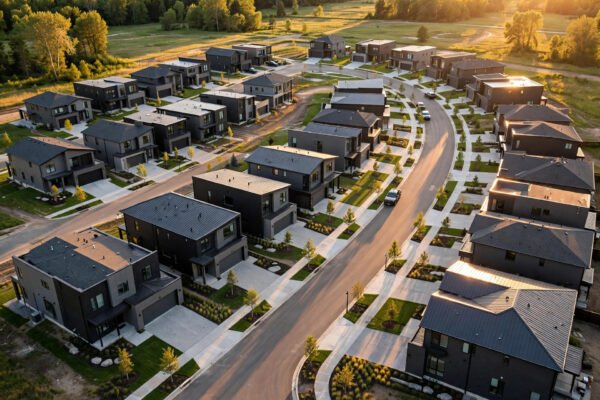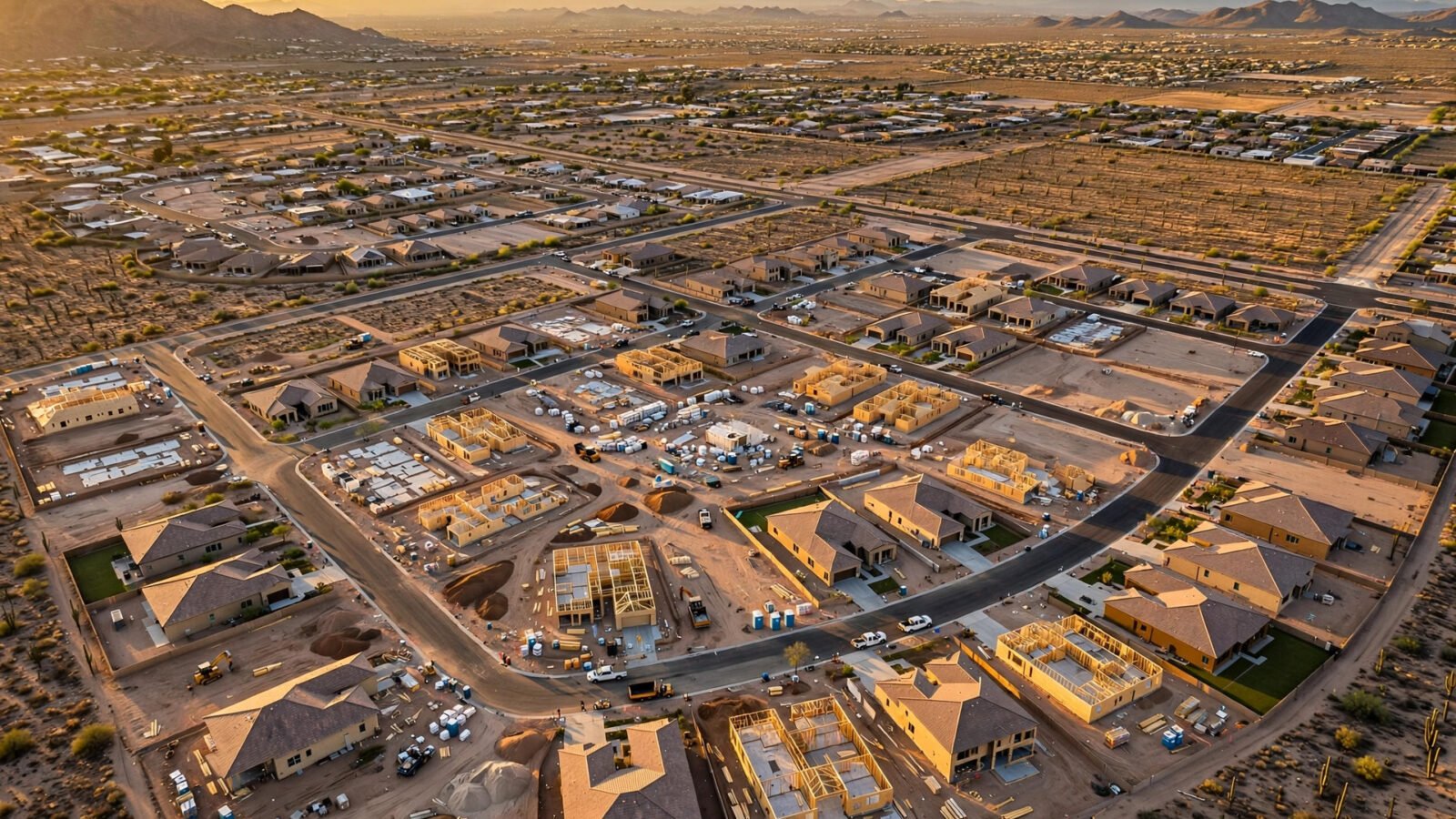
The Sun Belt’s growth story is the defining demographic fact of 21st-century America: millions of people moving South and West, drawn by jobs, weather, affordability (relative, anyway), and the self-reinforcing momentum of growth itself. But the familiar magnets — Austin, Phoenix, Tampa, Nashville — are increasingly expensive and crowded. The smart money is looking one ring out: the next growth corridors where the Sun Belt’s expansion is heading next.
Spotting these corridors early matters for homebuyers, investors, employers, and anyone planning a move. Here’s where the data points and why.
How Growth Corridors Form
Growth corridors follow a predictable anatomy. A major metro’s core becomes expensive; employers and workers spill into adjacent areas with cheaper land and reasonable commutes; infrastructure (highways, then transit) follows; amenities accumulate; the corridor becomes a destination in its own right. The pattern repeats at expanding radii — and the current wave is pushing into areas that were rural or exurban a decade ago.
The Census Bureau’s population estimates reveal the mechanics: domestic migration flows show consistent movement from high-cost coastal metros to Sun Belt metros, and increasingly from expensive Sun Belt cores to their peripheries and to smaller Sun Belt cities. The corridor is the unit of analysis that matters — not the city, but the connected chain of growth along highways and job centers.
Corridor 1: The Texas Triangle’s Outer Ring
Texas’s big metros — Dallas-Fort Worth, Houston, Austin, San Antonio — form the famous “Texas Triangle” megaregion, and its growth is pushing outward along every highway. The corridors to watch: the I-35 corridor between Austin and San Antonio (one of America’s fastest-growing stretches, effectively merging into a single metroplex); the DFW periphery (cities like Forney, Midlothian, and Anna absorbing the metro’s spillover); and the Houston outer ring along the Grand Parkway.
The drivers are structural: Texas’s business-friendly policies, massive corporate relocations, no state income tax, and abundant (if increasingly less cheap) land. The Bureau of Labor Statistics employment data shows Texas metros consistently among national job-growth leaders — and jobs are the ultimate corridor fuel. Watch for water constraints as the long-term check on the thesis: Texas growth is increasingly bumping against water supply, and the corridors that solve water win.
Corridor 2: Florida’s Inland Shift
Florida’s coastal markets are hitting affordability and insurance walls — which is pushing growth inland. The Orlando-to-Tampa I-4 corridor remains the state’s growth spine, but the emerging story is the interior: Polk County, the Lake County/Leesburg area, and the corridors connecting Orlando’s job centers to affordable inland housing. North Florida — Jacksonville’s expansion along I-95 and into St. Johns County — offers the coastal lifestyle at (relatively) sane prices.
The insurance crisis shapes everything in Florida: inland corridors with lower wind and flood exposure carry a structural advantage that’s only growing. Buyers are learning to price insurance into location decisions, which systematically favors the interior. For homeowners in the heat, practical adaptation matters too — from exterior paint for hot climates to serious cooling strategies.
Corridor 3: The Carolina Crescent
North Carolina’s Research Triangle–Charlotte axis and South Carolina’s Greenville-Spartanburg corridor form an emerging southeastern crescent of growth. The drivers: major manufacturing investments (EV batteries, semiconductors), banking and finance expansion in Charlotte, research-university talent pipelines, and a cost structure well below the Northeast metros feeding the migration.
What’s distinctive here is the quality of the growth — high-wage manufacturing and knowledge jobs, not just population spillover. That produces more durable housing demand and stronger income growth. The corridors along I-85 between Charlotte and Atlanta, and I-40 through the Triad, are the ones to watch as the crescent fills in.
Corridor 4: Arizona’s Diversification Beyond Phoenix
Phoenix’s growth is legendary — and increasingly constrained by heat, water, and affordability. The next Arizona story is Tucson’s emergence (university-anchored, more affordable, semiconductor investments) and the corridors connecting the two metros along I-10. Northern Arizona’s high country (Prescott, Flagstaff) draws climate migrants seeking relief from Phoenix heat — a micro-trend with macro implications as warming continues.
Water remains Arizona’s existential variable: the corridors with secure long-term water supplies (a function of groundwater regulation and Colorado River allocations) will outperform those without. This is the rare growth thesis where hydrology matters as much as economics — and energy and resource data increasingly factor into serious location analysis.
Corridor 5: Tennessee’s Multi-City Surge
Nashville’s boom is well-known; the emerging story is Tennessee’s multiple growth centers — Knoxville, Chattanooga, and the corridors between them — plus Memphis’s logistics-driven revival. No state income tax, central location, and affordability relative to coastal metros keep the migration flowing. The I-24 and I-40 corridors connecting these cities are filling with the distribution centers, manufacturing plants, and residential development that mark corridor formation.
Chattanooga deserves special mention: the municipal-broadband pioneer turned remote-work haven, now parlaying quality of life into sustained in-migration. It’s the template for how smaller Sun Belt cities capture the next wave.
How to Evaluate a Corridor (Buyer and Investor Playbook)
The professional framework: jobs first — employment growth is the necessary condition; population without jobs is just sprawl. Infrastructure second — highway expansions, transit plans, utility capacity (especially water and power) determine whether growth is sustainable. Affordability gap third — corridors work when they offer meaningful discounts to the core while maintaining access to its jobs. Policy fourth — pro-growth zoning, reasonable taxes, and infrastructure investment separate corridors that boom from those that stall.
Red flags: growth dependent on a single employer or industry, water or power constraints without solutions, commute times already degrading (the corridor killer), and insurance costs that erase the affordability advantage. And for homeowners anywhere in the Sun Belt’s heat, the unglamorous basics compound — managing home energy costs matters even where winter is mild, because summer cooling is the real budget line.
The Sun Belt’s next growth corridors aren’t secrets — they’re visible in migration data, job reports, permit filings, and highway traffic. The opportunity is in reading them early and acting before the crowd: buying before the corridor becomes consensus, moving before the affordability window closes, investing before the institutions arrive. The Sun Belt taught America that growth compounds. The corridors are where it’s compounding next — for those paying attention.
Frequently Asked Questions
What is a growth corridor?
A connected chain of development along highways and job centers where a metro’s expansion is heading — the areas absorbing spillover from expensive cores, characterized by rising population, employment, construction activity, and infrastructure investment.
Which Sun Belt areas are growing fastest now?
The Texas Triangle’s outer ring, Florida’s inland corridors, the Carolina crescent, Arizona beyond Phoenix, and Tennessee’s multi-city surge — all showing strong migration, job growth, development activity, sustained housing demand, rising commercial investment, and expanding infrastructure.
Is it better to buy in an established city or a growth corridor?
Growth corridors offer more appreciation potential and affordability but carry more risk (infrastructure may lag, theses can stall unexpectedly). Established areas offer stability at higher prices. Many buyers split the difference: corridors with proven job growth and funded infrastructure.
What are the risks of Sun Belt growth corridors?
Water constraints (especially Texas and Arizona), extreme heat, rising insurance costs (especially Florida), infrastructure lagging development, and overdependence on single industries or employers.