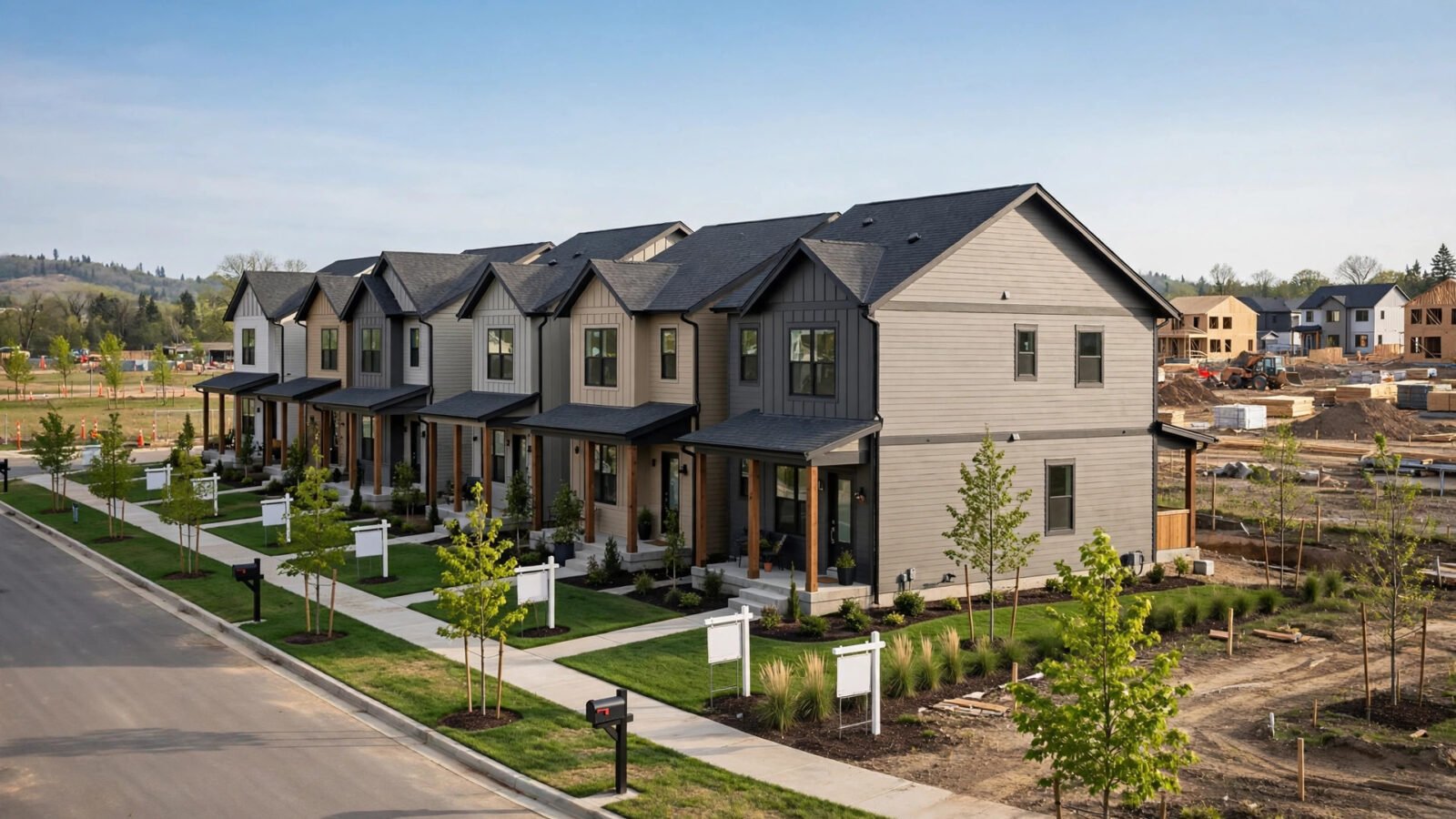
Rental real estate built more American millionaires than any asset class except maybe equities — and unlike stocks, it pays you monthly while (usually) appreciating. But where you buy rental property matters enormously: the difference between a cash-flowing asset and a money pit is often just geography. In 2026’s market of elevated prices and rates, market selection is the whole game.
Spotting the best markets for rental investors means looking past hype at the fundamentals that actually drive rental returns: the relationship between prices and rents, job and population growth, landlord regulations, taxes, and insurance costs. Here’s the professional framework.
The Core Metrics: How Pros Evaluate Markets
Price-to-rent ratio
The master metric: lower ratios mean cheaper ownership relative to rents, which means better cash flow. The Midwest and parts of the Southeast historically offer the strongest ratios; coastal markets the weakest. A market where a $200,000 home rents for $1,800/month cash-flows; where a $800,000 home rents for $3,500, it doesn’t — the math is that stark.
The 1% rule (and its modern reality)
The old rule of thumb — monthly rent should be 1% of purchase price — is nearly extinct in 2026’s pricing. Sophisticated investors now underwrite to cash-on-cash return and cap rate instead: what percentage does the property return annually on invested cash after all expenses? Markets clearing 8%+ cash-on-cash with conservative assumptions earn attention; below 5%, the risk-reward rarely justifies the leverage.
Job and population growth
Rents follow jobs; jobs follow employers; employers follow talent and business climate. Census migration data and BLS employment reports identify the metros with durable demand drivers — the necessary condition for long-term rent growth. Population growth without job growth is just more competition for the same wages.
Landlord-tenant law
The most underappreciated variable: eviction timelines, rent-control risk, and regulatory burden vary enormously by state and city. Investor-friendly states (efficient eviction processes, no rent control, reasonable regulations) protect returns; tenant-friendly jurisdictions can turn a good property into a trap. This single factor eliminates entire states from many investors’ maps.
The 2026 Shortlist: Market Archetypes
The cash-flow Midwest
Indianapolis, Kansas City, Columbus, Cleveland, Memphis: the classic cash-flow markets — low prices, solid rents, landlord-friendly laws, diversified (if unexciting) economies. Returns come from yield, not appreciation. The trade-off: slower rent growth and economic concentration risk. For investors prioritizing monthly income over equity growth, this remains the sweet spot.
The Southeast growth corridor
Charlotte, Raleigh, Nashville, Jacksonville, Tampa’s periphery: stronger appreciation potential driven by migration and job growth, with reasonable (if compressing) cash flow. The Redfin investor analyses consistently rank these among the best risk-adjusted rental markets — growth plus yield, the holy grail. The catch: prices already reflect much of the thesis; underwriting must be disciplined.
The Texas triangle
Dallas-Fort Worth, Houston, San Antonio: massive job growth, no state income tax, landlord-friendly law, and diverse economies. Property taxes are high (the offset to no income tax — underwrite accordingly), and insurance costs are rising. But the demand fundamentals are among America’s strongest.
Select Mountain West value
Boise’s boom cooled, but markets like Colorado Springs, Tucson, and Albuquerque offer interesting yield-growth blends for investors who missed the first wave. Water and insurance diligence is essential — the West’s constraints are real.
What to Avoid (or Underwrite Very Carefully)
High-price, low-yield coastal markets for cash flow (appreciation speculation is a different strategy with different risks). Rent-controlled jurisdictions where regulation caps the upside while costs float. Single-industry towns where one employer’s fortunes determine your vacancy rate. High-insurance states (Florida, Louisiana, parts of Texas) where premiums can erase cash flow — always get insurance quotes during due diligence, not after. Declining-population markets where today’s cash flow masks tomorrow’s vacancy crisis.
Bankrate’s rental-market research provides regularly updated market rankings, but the professional habit is verifying with local data: talk to property managers (they know true rents and vacancy), check eviction timelines with local attorneys, and walk the neighborhoods.
The Property-Level Playbook
Market selection gets you to the right city; property selection determines returns. The durable formula: buy below-market (distress, off-market, value-add opportunities), in solid working-class neighborhoods (not war zones, not luxury — the broad middle where tenant demand is deepest), with good bones (roof, HVAC, plumbing, electrical — the expensive systems). The 70% rule for flips, conservative expense assumptions for holds (budget 40–50% of rent for non-mortgage expenses: vacancy, maintenance, capex, management, taxes, insurance).
Management reality check: self-managing works for local investors with handyman skills; remote investors should budget 8–10% for professional management from day one. The investors who fail usually fail on management, not market selection — bad tenants and deferred maintenance destroy more returns than wrong cities.
And the tenant’s perspective matters for retention: renters stay where they feel at home. Investors who understand what makes a rental feel like home — and allow the simple personalizations like peel-and-stick upgrades — keep units occupied longer, which is where the real money is.
Financing in 2026: The Rate Reality
Elevated rates changed the strategy mix: fewer cash-flow-positive deals at 80% leverage, more investors using larger down payments, seller financing, or the BRRRR strategy (buy, rehab, rent, refinance, repeat) to force equity. DSCR loans (qualified on the property’s income, not the borrower’s) became the standard investor product. The professionals adapted by underwriting to current rates while planning refinances if rates fall — never depending on the refinance, just positioning for it.
The rate environment also separated strategies: cash buyers and low-leverage investors gained advantage as leveraged buyers retreated, creating less competition for well-capitalized players. Creative finance — seller carryback, subject-to deals, lease-options — returned to prominence as investors routed around bank rates. The lesson of every cycle holds: rates change the tactics, but the fundamentals (buy right, manage well, hold long) don’t change.
The best markets for rental investors in 2026 aren’t secrets — they’re the metros where the fundamentals align: reasonable prices relative to rents, growing jobs and population, landlord-fair regulations, and manageable taxes and insurance. That combination points to the Midwest for cash flow, the Southeast and Texas for growth-plus-yield, and select Western markets for the diligent. The market matters enormously. But the investor’s discipline — conservative underwriting, professional management, long time horizons — matters more. Real estate rewards the patient and punishes the rushed, in every zip code.
Frequently Asked Questions
What is a good cash-on-cash return for rental property?
Most investors target 8–12%+ cash-on-cash return (annual pre-tax cash flow divided by cash invested) in the current rate environment. Below 5–6%, the returns rarely justify the risk and effort versus passive alternatives.
Which states are best for landlords?
Generally Texas, Indiana, Georgia, North Carolina, Tennessee, and much of the Southeast/Midwest — efficient eviction processes, no rent control, reasonable regulations. Always verify current local law; city rules can differ from state norms.
Is it too late to invest in rental property with high interest rates?
Not necessarily — higher rates reduced competition and created negotiating opportunities. Underwrite to current rates with conservative assumptions; never depend on a future refinance to make the deal work.
Should I invest in rental property out of state?
It works with professional property management (budget 8–10%) and strong local teams (agent, contractor, attorney). Remote investing fails when owners try to self-manage from afar or skip local due diligence.