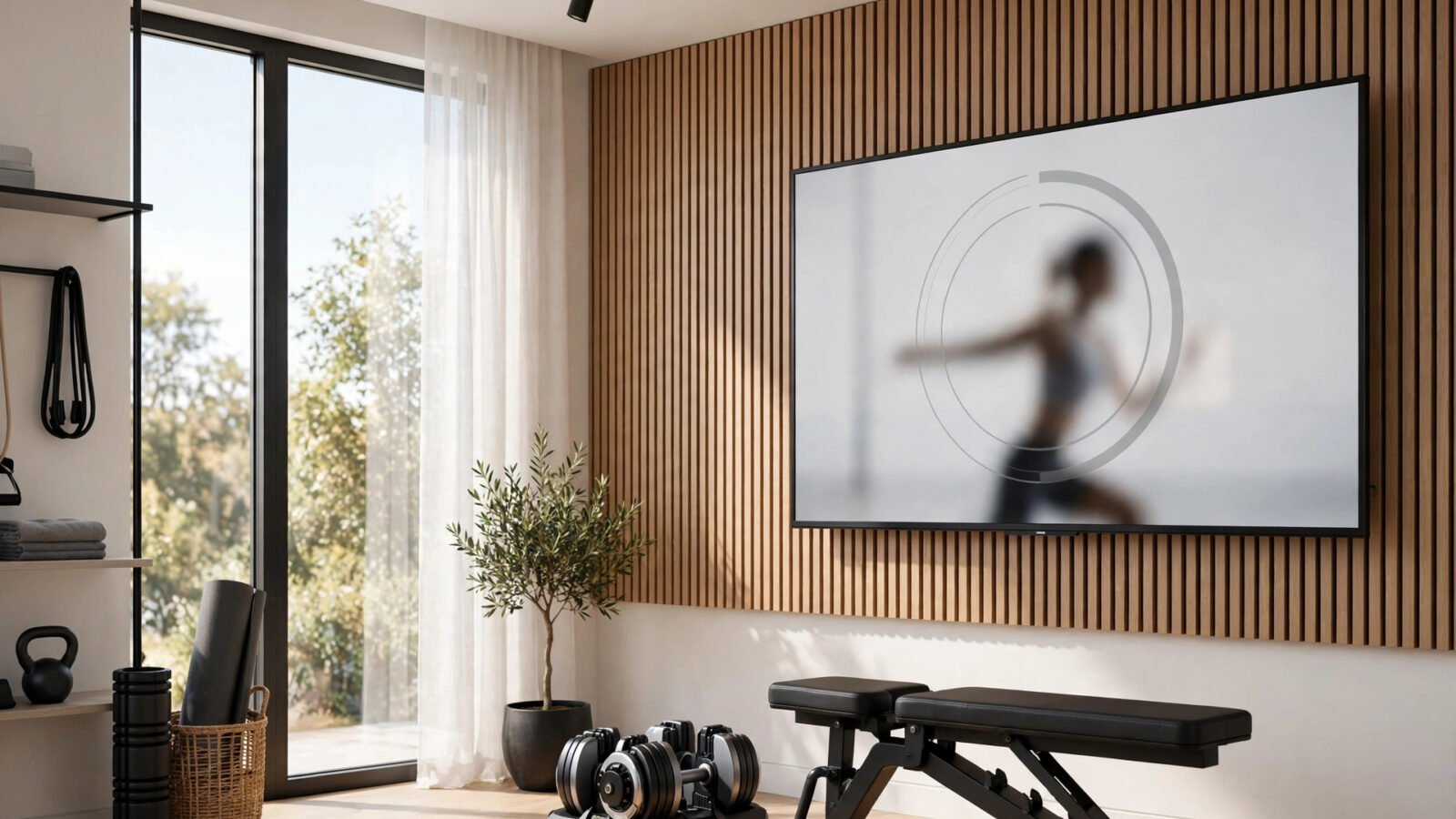
The pandemic-era home gym — a dusty dumbbell set and a yoga mat in the corner — is getting a serious upgrade. Home gym 2.0 is not about cramming commercial equipment into a spare bedroom; it is about smart, connected, space-efficient gear that brings coaching, programming, and progress tracking into your house. The trend reflects permanent shifts: hybrid work freed the commute hours, fitness tech matured, and a lot of people realized they will never miss the gym’s parking lot. Here is how to build the 2.0 version right — and which smart equipment picks are actually worth the money.
The philosophy changed first. Home gym 1.0 asked “how do I replicate the gym at home?” and produced expensive coat racks. Home gym 2.0 asks “what is the minimum effective setup for my goals?” and produces something you will actually use for years. That shift — from maximal to optimal — is the whole trend.
The foundation: what every home gym needs
Strip away the marketing and the essential home gym fits in a closet: adjustable dumbbells (replacing a full rack of fixed weights), a sturdy bench, resistance bands, a pull-up bar, and a mat. This kit covers every major movement pattern — push, pull, hinge, squat, carry, core — for a few hundred dollars and a few square feet. Everything beyond this is optimization, not requirement, and the data on adherence is clear: the home gym you use beats the commercial gym you skip, which is why building a workout routine you’ll actually stick to starts with removing friction, not adding equipment.
Space planning matters more than gear selection. Measure your actual workout footprint (an 8×8-foot area handles most training), check ceiling height for overhead pressing, protect floors with rubber mats or horse-stall mats (the budget lifter’s secret), and consider ventilation — garages get hot. A dedicated space, however small, outperforms a setup you must assemble and disassemble daily; friction kills consistency.
The smart equipment worth buying
Smart gear earns its premium only when it replaces something expensive: a coach, a programming service, or a room full of equipment. Connected strength systems — wall-mounted or freestanding units with digital weight adjustment — replace entire dumbbell racks and plate collections in a few square feet, with guided programming built in. They are genuinely impressive and genuinely pricey; buy only if space is truly constrained and you will use the coaching features.
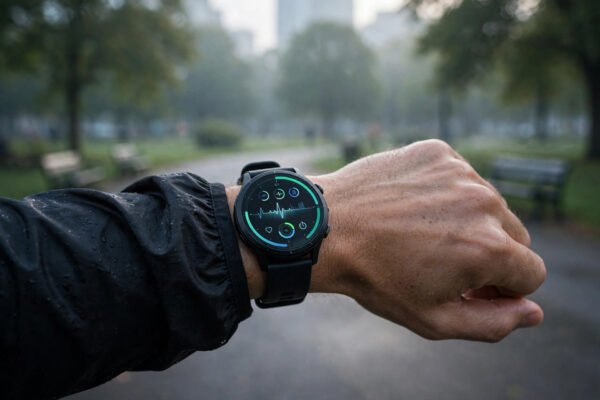
Smart cardio picks offer better value for most: connected bikes, rowers, and treadmills with live and on-demand classes solve the motivation problem that kills home cardio — though the subscription fees add up, so calculate total cost of ownership over three years before committing. Form-feedback tools — AI-powered apps that analyze your lifts through a phone camera — are the sleeper hit: coaching-grade feedback for the price of an app subscription. Recovery tech (percussion devices, compression) is nice but firmly optional. Consumer Reports’ fitness equipment ratings provide independent testing data before you spend four figures on anything.
Programming: the software matters more than the hardware
The most common home gym 2.0 failure is not bad equipment but no plan — expensive gear gathering dust because nobody programmed the training. Solve this before buying anything beyond basics: choose a proven program (there are excellent free and paid options for every goal), schedule sessions like appointments, and track workouts in an app or notebook. The gear enables; the program delivers. Many smart equipment subscriptions bundle programming, which justifies their cost only if you actually follow it.
Timing matters too. Training at the same time daily builds the habit loop, and the best time of day to exercise for weight loss — or any goal — is ultimately the time you will do consistently. Morning sessions benefit from fewer schedule conflicts; evening sessions benefit from warmer muscles. Pick your constraint and commit.
Apartment and noise considerations
Not everyone has a garage. Apartment home gyms demand noise and impact management: rubber flooring plus plywood platforms under barbells, dumbbell-only programming instead of dropped barbells, and low-impact cardio (bike, rower) over treadmills or jumping. Train during reasonable hours, give downstairs neighbors a heads-up, and remember that a considerate 6 a.m. dumbbell session beats a inconsiderate one — the best home gym is the one that does not generate complaints. Resistance bands and bodyweight circuits can deliver serious training nearly silently when equipment must stay minimal.
Budget tiers: good, better, best
The $300 tier: adjustable dumbbells (or kettlebells), bands, pull-up bar, mat. Covers 90 percent of training needs; the limitation is maximal leg loading. The $1,500 tier: add a quality bench, a squat stand with barbell and plates, and flooring. Now you can train like a commercial gym in a garage corner. The $5,000+ tier: connected strength system or smart cardio centerpiece, premium flooring, climate control, mirrors, dedicated space. Diminishing returns are steep past the middle tier — spend the difference on coaching, nutrition, or a vacation.
The used market deserves emphasis: home gym equipment depreciates brutally, and patient buyers assemble $3,000 setups for under $1,000 from people whose 1.0 gyms became coat racks. Check local marketplaces for plates, racks, and benches — iron does not expire. The CDC’s strength-training guidance and the American College of Sports Medicine’s recommendations confirm that the basics — progressive resistance, two-plus sessions weekly — deliver the health benefits regardless of how smart the equipment is.
Mistakes to avoid
Buying before programming (gear without a plan), optimizing for Instagram rather than training (mirrors before barbells), ignoring ventilation and flooring (the unsexy stuff that determines whether the space gets used), subscription stacking (three fitness apps at $40/month equals a gym membership — audit ruthlessly), and the classic: purchasing advanced equipment for a beginner’s consistency level. Earn the upgrade through six months of consistent training; let adherence precede investment.
Home gym 2.0’s real innovation is not the technology but the mindset: minimum effective setup, programmed training, friction-free access. Build that, and the smartest equipment in your gym will always be the person using it.
Frequently Asked Questions
What is the minimum equipment for an effective home gym?
Adjustable dumbbells, a bench, resistance bands, a pull-up bar, and a mat cover every major movement pattern for a few hundred dollars. This foundation handles 90 percent of training goals; everything else is optimization.
Are smart home gym systems worth the money?
They earn their premium when they replace a coach, programming service, or room of equipment in minimal space. Calculate three-year total cost including subscriptions, and buy only if you will use the guided programming — otherwise basics plus a good program deliver equal results.
How much space do I need for a home gym?
An 8×8-foot area handles most training; add ceiling clearance for overhead work. A dedicated space you do not have to set up and tear down daily dramatically improves consistency.
Should I buy new or used gym equipment?
Used for iron (plates, racks, benches, dumbbells) — it does not expire and depreciates steeply. New for anything electronic or with wear parts (connected systems, benches with padding, bands). Patience on marketplaces saves 50 to 70 percent.
How do I stay motivated working out at home?
Follow a real program (not random workouts), schedule sessions like appointments, train at a consistent time, track progress visibly, and consider one social element — a virtual class, an accountability partner, or form-feedback app — to replace the gym’s ambient motivation.